
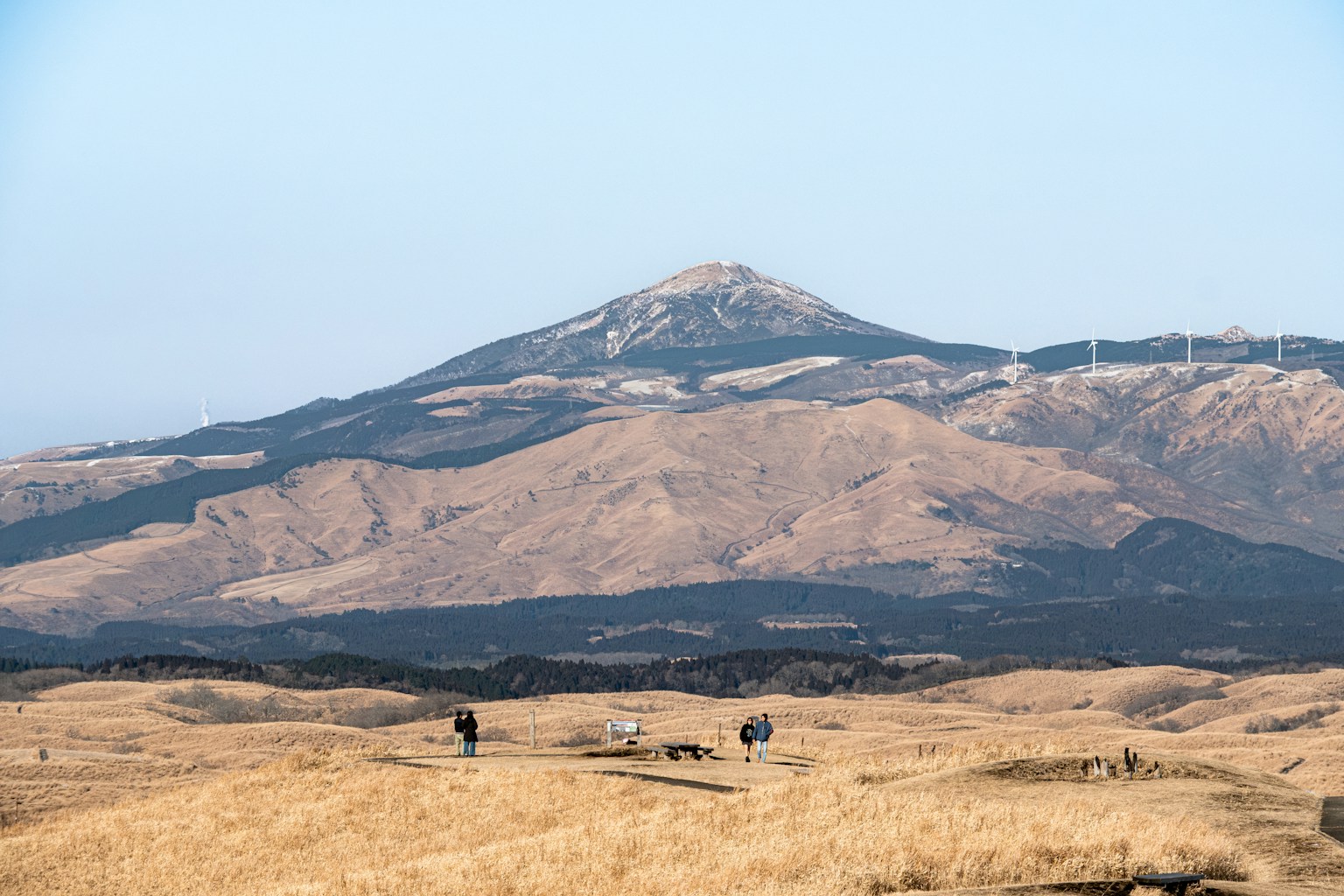
Mount Aso — the world’s largest active volcanic caldera — is genuinely one of Japan’s best family hiking destinations.
That’s because most of the “trails” are not steep mountain climbs at all.
The vast Kusasenri grassland, the conical Komezuka cinder cone, and the cliff-top Daikanbo Lookout all deliver world-class volcanic scenery.
Best of all, even toddlers can experience it without any strenuous walking.
With kids 4+, Aso opens up further with short crater rim hikes.
With kids 8+, longer panoramic trails like Eboshi-dake become accessible too.
This guide is the family-first overview of Aso hiking trails with kids in 2026 — what’s age-appropriate, route lengths, and how to combine stops in a day.
Pair it with our Mount Aso with Kids guide for the full trip picture.
Then decide early whether to day-trip or stay overnight near the caldera — that one choice shapes the whole itinerary below.
Quick Picks: Best Family Hiking by Age
- Toddlers (under 4) → Kusasenri grassland flat walk + Daikanbo Lookout drive. No real hiking needed.
- Kids 4-7 → Komezuka 30-min loop, Kusasenri 1-hour grassland circuit.
- Kids 8+ → Eboshi-dake summit hike (1.5 hours one-way), Naka-dake crater rim walk (when active).
- All ages → Aso Volcano Museum + indoor exhibits (rainy-day backup).
Day-tripping from Kumamoto? Lock the paid stops first — check Aso activity and ticket availability on Klook →
Staying the night to cut the driving? Start with the room — see tonight’s family-room rates near the caldera on Agoda →
Aso Family Trail Comparison at a Glance
| Trail / Spot | Time needed | Best for ages | Cost | Stroller? |
|---|---|---|---|---|
| Kusasenri grassland | 1–2 hours | All ages (0+) | Free (parking free) | Yes — paved lakeside path |
| Komezuka cinder cone | 30–45 min (1.2 km loop) | 4+ | Free | No — uneven ground |
| Daikanbo Lookout | 30–45 min | All ages (0+) | Free | Yes — main deck |
| Eboshi-dake summit | 1.5 hours one-way (~300m gain) | 8+ | Free | No — rocky scrambling |
| Naka-dake crater rim | 30–60 min | 6+ (gas advisories) | ¥800 toll road round-trip | No — activity-dependent |
| Aso Volcano Museum | 45–60 min | All ages (rainy-day) | ¥1,100 adult / ¥550 kid | Yes — indoors |
How to Reach the Aso Hiking Areas

- Driving from Kumamoto city — 1.5 hours to Kusasenri; see our Kumamoto with Kids guide for the city base.
- Driving from Yufuin/Beppu — 1 hour 30 min via Yamanami Highway.
- Aso Boy! sightseeing train + bus — Train to Miyaji, bus to Kusasenri. Adventurous but slow.
- Driving from Fukuoka — 2.5 hours via expressway.
- Rental car essential for a hiking-focused day; trails are spread across the caldera.
No car yet? Kumamoto Airport and Kumamoto Station branches sell out on holiday weekends — compare Kyushu family car rentals with child seats →
 Not Driving? Private Driver for Kumamoto & Aso
Kusasenri: The Easy Grassland Walk
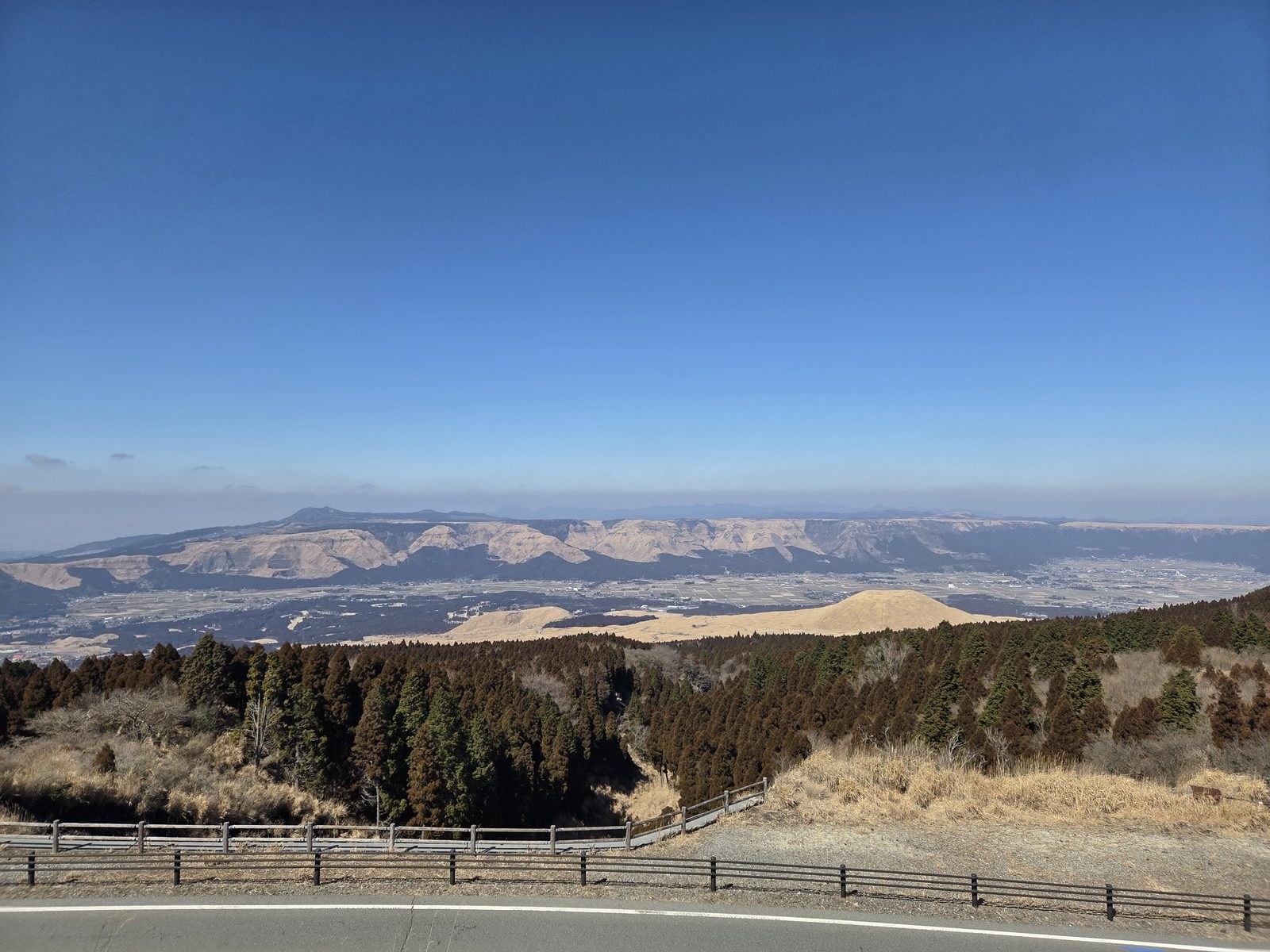
Kusasenri is a vast grassy plain inside the caldera, with grazing horses and panoramic views of the volcanic peaks.
It is the gentlest introduction to Aso for families.
The main lakeside path is paved and stroller-friendly, entry is free, and an hour or two covers it at a toddler’s pace.
- Stroller-friendly — The main path along the lake is paved.
- Free entry.
- Allow 1-2 hours for a relaxed walk.
- Parking — Large free visitor-center lot; fills by 11:00 on summer weekends.
- Seasonal grass burning — March; the grasslands are deliberately burned for ecosystem health.
- Wind exposure — Sometimes very windy; bring a light jacket.
Pony Rides & the Aso Volcano Museum
Two paid add-ons sit right at the grassland.
Kid pony rides run ¥1,500–2,500 and take about 5–10 minutes on the grassland loop.
The adjacent Aso Volcano Museum (¥1,100 adult / ¥550 kid) is a solid rainy-day backup with indoor caldera exhibits and live crater camera feeds.
Reserve Aso pony rides and grassland experiences on Klook → — booking ahead guarantees a slot on busy weekends.
Komezuka: The Perfect Cinder Cone

Komezuka is a perfectly conical secondary volcanic cone.
A 30-minute loop around its base offers a feel of volcanic terrain without serious hiking. With kids:
- Loop length — 1.2 km around the base.
- Best for kids 4+ — Some uneven ground; not stroller-passable.
- Free entry; small roadside pull-in for parking, limited spaces.
- Climbing the cone itself prohibited — Protected formation.
- Photo highlight — Symmetrical cone shape, especially in early morning light.
- Allow 30-45 min.
Daikanbo Lookout: The Caldera Panorama
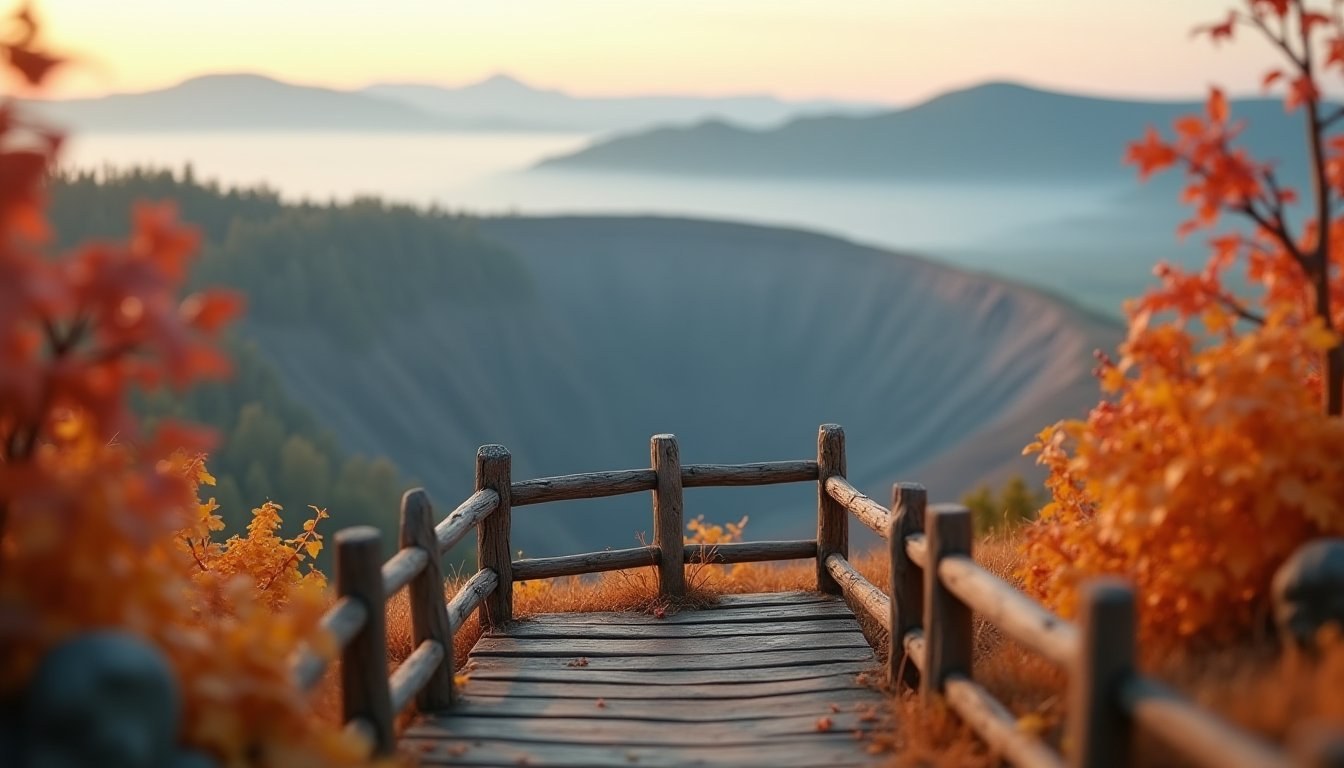
Daikanbo is the iconic Aso photo spot — a cliff-top viewpoint looking down into the caldera. With kids:
- Stroller-friendly — Yes for the main observation area.
- Free entry.
- Allow 30-45 min.
- Indoor cafe — Family rest stop with views.
- Best at sunrise — Famous for “sea of clouds” in autumn.
- Cliff edge — Mostly fenced; supervise kids.
Eboshi-dake: For Older Kids
Eboshi-dake is the most family-accessible peak in the Aso five-mountain range. With kids 8+:
- Trail length — 1.5 hours one-way from Kusasenri trailhead.
- Elevation gain — ~300m.
- Some scrambling — Final approach has rocky sections.
- Sturdy hiking shoes — Required.
- Best season — May–October. Avoid winter without proper gear.
- Bring water + snacks — No facilities on trail.
Trailhead Timing & Crowds
Use the free Kusasenri lot for the trailhead, and start before 9:00.
The lot fills by mid-morning on summer weekends, and an early start beats the midday heat on the exposed ridge.
Naka-dake Crater Rim (Volcanic Activity Permitting)
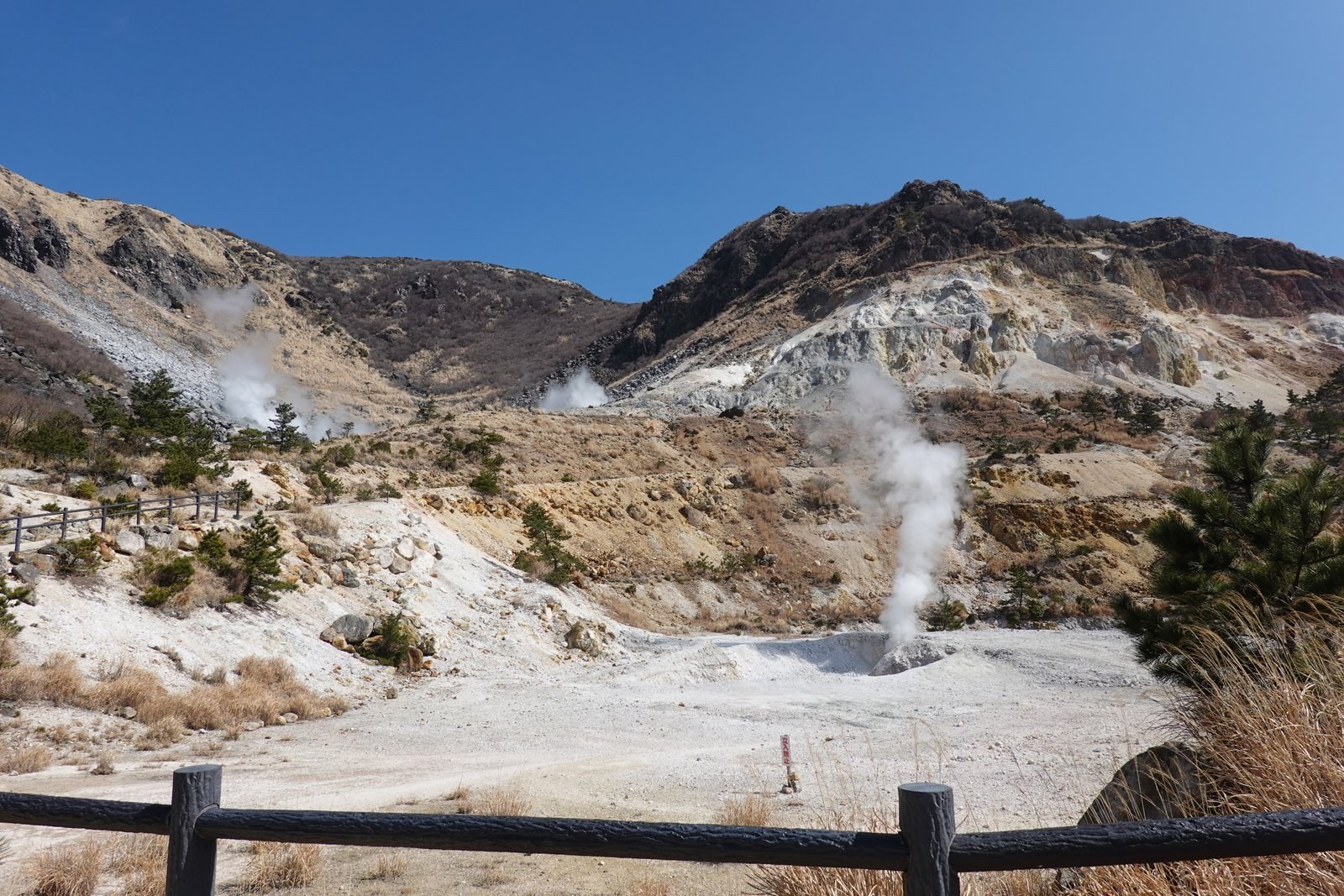
Naka-dake is Aso’s currently active crater. The rim walk is occasionally open to visitors. With kids:
- Status check mandatory — Aso volcanic activity changes daily; check the JMA website.
- Aso Volcano West Station ropeway — Closed since the 2016 earthquake; replaced by a paid road.
- Crater rim road — Open when activity permits; ¥800 round-trip.
- Best for kids 6+ — Sulfur smell can affect young kids; respiratory advisories sometimes apply.
- Allow 30-60 min.
Checking Volcanic Status & Access
Naka-dake is one of the few craters in Japan where access can flip from open to closed within a single morning.
The Japan Meteorological Agency (JMA) publishes the Aso alert level continuously, and the local access rule follows it directly.
At Level 1 the rim road normally runs; at Level 2 the 1 km exclusion zone closes it outright.
On top of the alert level, a separate sulfur-dioxide advisory can shut the rim to asthmatic visitors and small children even on an otherwise open day.
So confirm both the JMA alert level and the gas advisory on the morning you go — not the night before.
When the rim is open, the toll road costs ¥800 round-trip; the drive up takes about 10 minutes from the West Station car park.
Compare Aso volcano access passes and guided day tours on Klook → — guided options reroute for you if the crater closes.
Other Family Hiking Stops
- Shiraito Falls — Easy 15-min walk to a forest waterfall.
- Aso Shrine — Calm shrine; partially earthquake-damaged but operational, with reconstruction of the iconic romon gate completed in recent years.
- Kuju Flower Park — Seasonal blooms; kid-engaging in spring/summer.
- Tateno Gorge — Moderate hike for kids 8+.
A Practical Aso Family Hiking Day Plan
- 09:00 — Drive Kumamoto → Daikanbo Lookout (~1.5 hours). Sea-of-clouds chance.
- 10:30 — Daikanbo deck visit (45 min).
- 11:30 — Drive to Komezuka (~30 min); Komezuka loop walk.
- 12:30 — Lunch at Kusasenri visitor center.
- 14:00 — Kusasenri grassland walk + horse pony ride (1-2 hours).
- 15:30 — Aso Volcano Museum (rainy-day or extra time).
- 16:30 — Drive to an Aso onsen ryokan, or pair with nearby Kurokawa Onsen, then back to Kumamoto.
Lock in tickets and experiences early — browse Aso family activities on Klook → to skip queues at the busier stops.
If you end the day at an Aso onsen ryokan, book the room first — check family-room availability near the caldera on Agoda →.
Where to Stay: Family-Friendly Aso Hotels & Onsen Ryokans
Aso genuinely rewards an overnight stay.
The caldera trails are spread out, so basing yourself nearby cuts the long drives and lets toddlers nap between stops.
Uchinomaki Onsen, on the caldera’s north side, is the main hot-spring town and the most convenient family base near the hiking areas.
- Aso Resort Grandvrio Hotel — Highly rated family resort a short drive from Kusasenri, with large onsen baths and spacious rooms.
- Kamenoi Hotel Aso — Grand nature resort roughly 6 km from the volcano; sauna, public hot baths, and a buffet kids love.
- Aso Plaza Hotel — Classic Uchinomaki Onsen ryokan with tatami family rooms and multi-course dinners.
- South Aso ryokans — Quieter stays with caldera views; handy for Shiraito Falls and the southern trails.
Onsen ryokans here are genuinely family-friendly — tatami rooms typically sleep four to five, and most serve early, kid-friendly dinners.
Compare family-friendly Aso hotels and onsen ryokans on Agoda → — filter for family rooms and free parking.
Prefer a lower-priced city base with a wider family-room selection? See our family-friendly Kumamoto hotels guide, then drive up to Aso for the day.
Extending the trip north into Oita? Our Kurokawa Onsen with Kids guide covers the closest ryokan cluster, about 50 minutes from Daikanbo.
Practical Tips for Aso Hiking with Kids
- Best season — April–November. Winter snow makes higher trails impassable for kids.
- Volcanic gas warnings — Check the Aso volcanic gas advisory before crater rim visits.
- Wind exposure — Caldera is windy year-round; light jackets always.
- Sun protection — Open grasslands; hat and sunscreen mandatory.
- Cash for visitor centers — Cards accepted at major stops; cash needed for smaller cafes.
- Bring water + snacks — Only Kusasenri visitor center has full food service.
- Sturdy shoes — Even the Komezuka loop has uneven ground.
- Mobile data — You need live JMA and weather checks in the caldera; sort a Japan eSIM or pocket WiFi before you fly →
- Stay overnight — Aso onsen ryokans are family-friendly and cut driving fatigue; compare family rooms on Agoda →
FAQ: Aso Family Hiking with Kids
Can we do Aso hiking with toddlers? Yes — the Kusasenri flat walk and Daikanbo Lookout are stroller-friendly. Skip Komezuka and Eboshi.
How many Aso trails work for kids, and how long do they take? Six family stops in total: three free and stroller-or-easy (Kusasenri 1–2 hours, Daikanbo 30–45 min, Komezuka 30–45 min), plus Eboshi-dake (1.5 hours one-way, ages 8+), Naka-dake crater rim (30–60 min, ¥800), and the indoor Volcano Museum. Two or three of them fill one comfortable family day.
Is the Naka-dake crater dangerous with kids? Volcanic gas can be dangerous; check daily advisories. Avoid it with respiratory-prone kids regardless.
How does Aso compare to other Japan volcano hikes? More accessible than Mt. Fuji or Sakurajima with kids; the caldera scale is unique.
Can we do Aso as a day-trip from Fukuoka? Tight at 5+ hours of driving. Better as part of a 2-day Kumamoto-Aso trip.
Where should families stay near Mount Aso? Uchinomaki Onsen on the north caldera is the handiest base; Aso Resort Grandvrio Hotel and Kamenoi Hotel Aso are popular family picks with big onsen baths and easy parking. See current Aso family-hotel rates on Agoda →
Best time of year? May–June (fresh greens), October–November (autumn colors). For a May–June plan that uses the last clear-weather window before tsuyu, pair Aso hiking with horse riding, Takachiho, and Kuju Flower Park.
Are pony rides safe? Yes — supervised, slow-walking, suitable for kids 3+.
More Family Travel Guides for Aso & Kyushu
- Mount Aso with Kids: Full Family Travel Guide — broader pillar.
- Kumamoto with Kids: The Ultimate Family Travel Guide — full pillar.
- Family-Friendly Hotels in Kumamoto — where to stay hub.
- Aso Boy! Sightseeing Train — train arrival option.
- Kurokawa Onsen with Kids — natural onsen pairing.
Aso family hiking with kids is one of Japan’s most accessible volcano experiences — vast caldera grasslands kids can walk, conical cinder cones, and panoramic lookouts that work for any age.
Lead with Kusasenri for an easy first day, then build in Komezuka for kids 4+.
Stay overnight at a family onsen ryokan and Aso’s volcanic landscape pays off as a memorable introduction to hiking with children.
Kumamoto: Castle & VolcanoesNot sure where to begin? This free guide helps you pick the right Kyushu trip for your family — from a Fukuoka family who actually lives here.
- ✅A simple “which trip suits us?” chooser — by days, ages & interests
- ✅Snapshots of all 7 prefectures — what’s actually worth it with kids
- ✅Instant PDF download — name your price (free), no spam
Onsen, rail, or a full itinerary? It points you to the right deep-dive guide.
Doing Kyushu by rail with little ones? This guide turns the timetable maze into a stroller-friendly plan — from a family that rides these lines for real.
- ✓The fun trains, ranked — Sonic, Yufuin no Mori, Aso Boy, Shinkansen with kids
- ✓Stroller & luggage flow — which cars, which doors, where the elevators are
- ✓Does the JR Pass pay off? — honest break-even math for family routes
Instant PDF · written by locals · stops the platform panic