
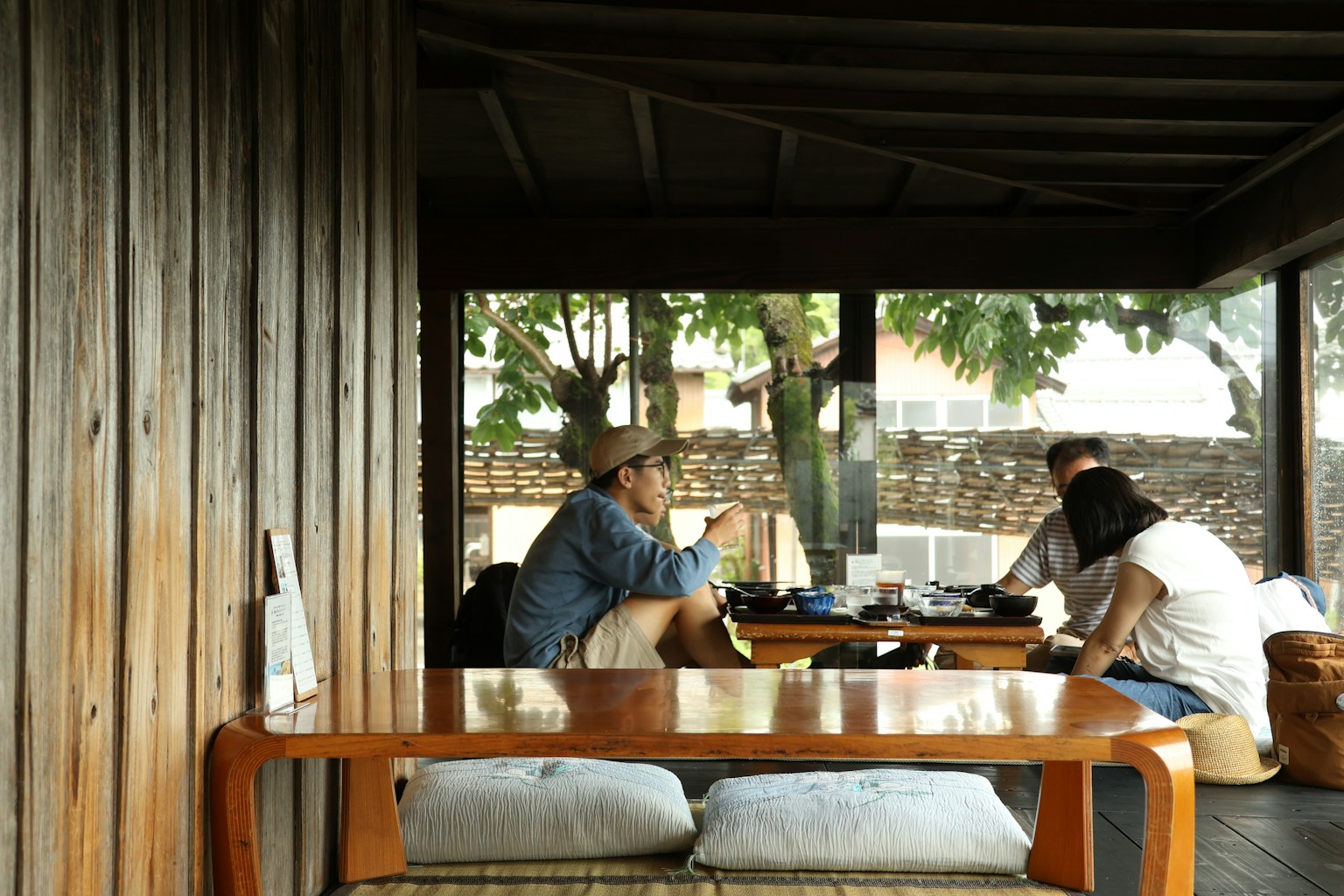
Traveling in Fukuoka with children can be surprisingly relaxed, especially at mealtimes. The city is compact, safe, and famous across Japan for its fresh seafood.
For parents worried about toddlers or picky eaters, Fukuoka has an easy answer: Kaitenzushi (conveyor belt sushi). It is fast, affordable, and genuinely fun for kids.
Fukuoka is famous for many culinary delights, as detailed in our guide to Fukuoka with Kids: The Ultimate Travel Guide (Food, Transport, Tips). Even so, sushi stays near the top of most visitors’ lists.
The good news: eating out here doesn’t mean stiff, formal counters where children must stay silent.
Conveyor belt sushi is lively, interactive, and low-stress. The meal itself is part of the entertainment.
This guide covers why Fukuoka’s sushi is so good, which restaurants work best for families, and what to order if your kids don’t eat raw fish.
Quick Answer: The Best Conveyor Belt Sushi in Fukuoka for Families
Short answer: Uobei (Hakata) is the easiest with toddlers. Hyotan (Tenjin) has the best fish, and the big chains are the most predictable.
- Best with toddlers & picky eaters: Uobei near Hakata Station. Touch-screen ordering, express-lane delivery, and fries or ramen on the menu.
- Best quality: Hyotan in Solaria Stage (B2F), Tenjin. Sushi is made by hand, but expect 30–60 minute lines.
- Most predictable: Sushiro, Kura Sushi, and Hamazushi. Their touch screens have English, and the cheapest plates start at roughly ¥115–¥150.
- More space, fewer crowds: suburban Genkaimaru branches.
- Best timing: a weekday at opening (around 11:00 AM), or dinner by 5:30 PM.
- Typical budget: about ¥4,000–¥6,000 for a family of four at the chains.
Why Fukuoka Sushi Tastes Different (And Why It Matters for Kids)

Before getting into where to eat, it helps to know why the sushi here is special.
Fukuoka sits on the Genkai Sea, one of Japan’s richest fishing grounds.
Proximity to the Port
In Tokyo, fish can travel a long way to reach the city center. Downtown Fukuoka is just minutes from Nagahama Fishing Port.
That means the fish served at lunch may well have been swimming in the sea that same morning.
This freshness matters for children who are sensitive to “fishy” smells or soft, mushy textures. The fish is firmer, cleaner-tasting, and easier to eat.
Even children who claim to dislike seafood at home are often won over by their first plate of fresh Fukuoka snapper or shrimp.
High Quality at Low Prices
Because distribution costs are lower, high-quality fish costs less here than in major tourist hubs like Osaka or Tokyo.
That makes Fukuoka the perfect place for families to try higher-end plates without breaking the budget.
You can enjoy premium fatty tuna (otoro) or sea urchin (uni) while your kids enjoy corn-mayo sushi.
At the chains, a family of four typically eats well for roughly ¥4,000–¥6,000 in total, depending on how many premium plates the adults order.
The “Kaitenzushi” Advantage for Parents
With young children, full-service restaurants can feel like a ticking time bomb. You worry about wait times, menu options, and how long the kids can sit still.
Conveyor belt sushi solves these problems.
- Instant Gratification: Food is available the moment you sit down. Grab edamame, juice, or a simple roll right away to settle hungry toddlers.
- The “Train” Entertainment Factor: Many modern shops in Fukuoka have “express lanes.” You order on a touch screen, and the food zooms to your table on a mini Shinkansen or sports car.
- The Button Kids Love: Pressing the button to send the train back to the kitchen is often the highlight of the trip.
- Private Booth Seating: Unlike traditional sushi bars, Kaitenzushi restaurants usually have spacious high-backed booths. You don’t have to worry as much if your child gets loud or makes a mess.
Top Picks: Where to Eat Conveyor Belt Sushi in Fukuoka with Kids
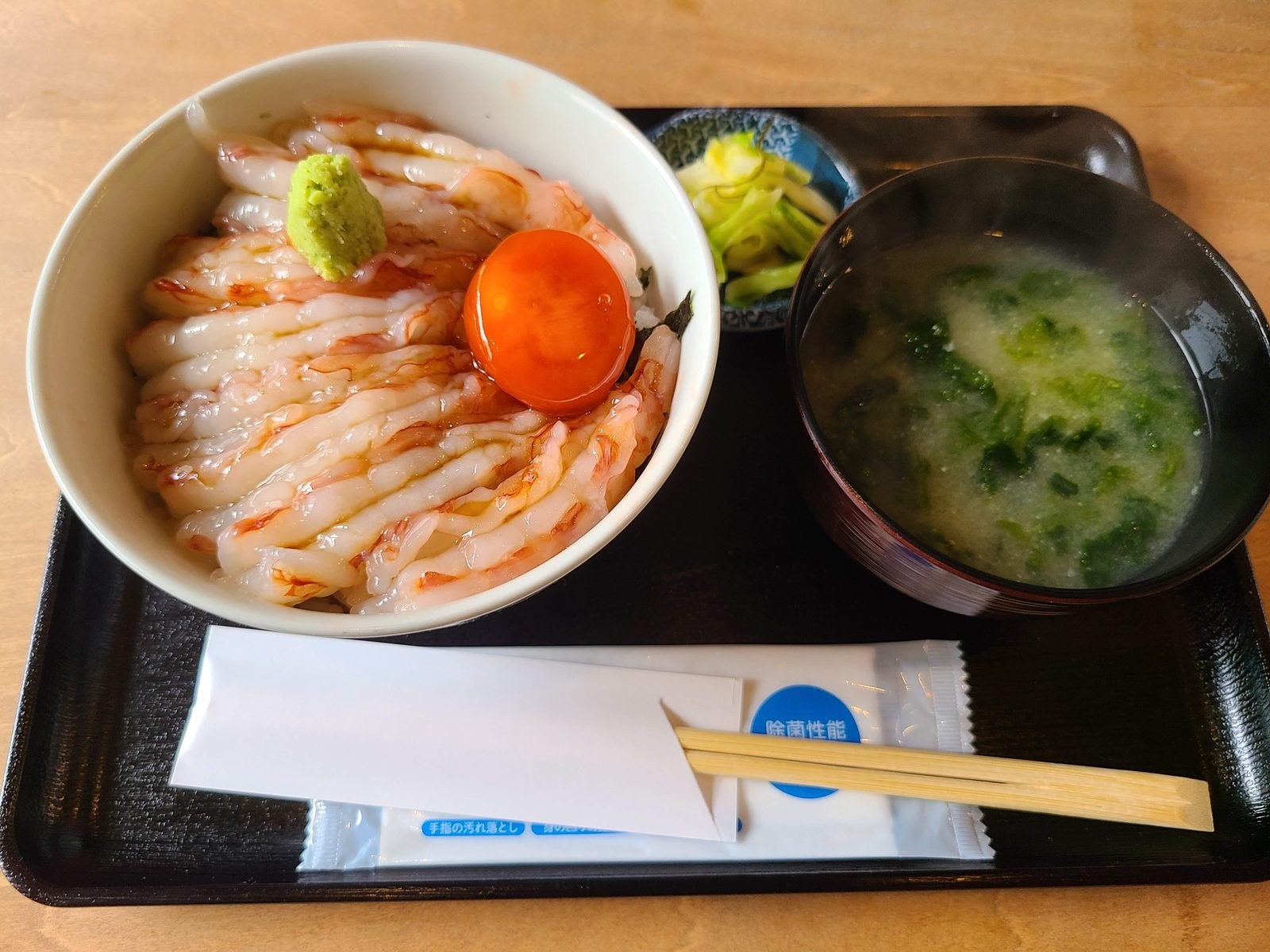
National chains are reliable, but Fukuoka also has local options that are a real step up in quality and still very child-friendly.
Here is how the four best options compare at a glance:
| Spot | Area | Price level | Typical wait | Best for |
|---|---|---|---|---|
| Hyotan Sushi | Tenjin (Solaria Stage B2F) | Mid (hand-made, higher per plate) | 30–60 min at peak | Parents who want top-quality fish |
| Uobei | Hakata (Yodobashi Camera 4F) | Budget | Usually short | Toddlers and picky eaters |
| Sushiro / Kura Sushi / Hamazushi | Tenjin, Nakasu, suburbs | Budget (from about ¥115–¥150 a plate) | Ticket machine; long after 7:00 PM | Predictability, capsule-toy game (Kura) |
| Genkaimaru | Suburbs (e.g., Meinohama) | Mid | Usually shorter than downtown | Space and local Genkai Sea fish |
For more non-sushi options near these spots, see our guide to family-friendly food in Fukuoka.
1. Hyotan Sushi (Tenjin Area)
For the best balance of quality and price, Hyotan Sushi is the local legend. It is on B2F of the Solaria Stage building in Tenjin.
This is a “gourmet” conveyor belt spot. Unlike the budget chains, chefs make the sushi by hand right in front of you, so plates cost a bit more.
- Why it’s great for families: The quality is nearly restaurant-grade, but the vibe is loud and bustling, so kids fit right in.
- Kid pick: The famous grilled conger eel (anago) is soft and sweet—perfect for kids. There are plenty of other cooked items too.
- The Catch: It is incredibly popular. Lines are often 30 to 60 minutes.
- Strategy: Go on a weekday, either right at opening (around 11:00 AM) or at an off-peak hour like 3:00–4:00 PM.
- Plan B: If the line is too long, buy sushi bento boxes from the takeout window and picnic at nearby Kego Park.
If you are basing yourself in this part of the city, you can find family-friendly hotels in Tenjin from around ¥10,000 per night and walk straight to the 11 AM opening.
Check live Tenjin hotel rates on Agoda →
Want to taste more of the Genkai Sea catch beyond the belt? Guided food tours in Fukuoka typically combine local seafood, mentaiko, and yatai street stalls.
Browse Fukuoka food tours on Klook →
2. Uobei (Hakata Station)
Uobei sits near Yodobashi Camera in Hakata and is a “non-rotating” sushi restaurant.
Everything is ordered on a touch screen and delivered by a high-speed chute. Kids often vote it the most “fun” sushi experience.
- Why it’s great for families: It is fast, futuristic, and right in the transport hub. It makes an easy dinner stop after a long travel day.
- Staying nearby? Check our guide on Best Areas to Stay in Fukuoka with Kids: Hakata vs Tenjin vs Momochi to see if this location suits you.
- Menu: Plenty of non-sushi options like ramen, french fries, and fried chicken make it safe for picky eaters.
- Location: 4th Floor of Yodobashi Camera Multimedia Hakata.
- Bonus: A large toy section in the same building can be a good (or dangerous!) reward after dinner.
Families staying near Hakata Station will find Uobei one of the most convenient sushi stops after arriving by Shinkansen.
Compare Hakata Station hotels on Agoda →
An early sushi dinner leaves time for Fukuoka’s famous yatai (open-air food stalls). A guided yatai tour takes the guesswork out of ordering with kids.
Find guided yatai & food experiences on Klook →
3. Sushiro, Kura Sushi, and Hamazushi (National Chains)
Sometimes, you just want predictability. The major national chains have a strong presence in Fukuoka.
As we cover in our review, Stress-Free Family Dining at Sushiro in Fukuoka: A Kid-Friendly Sushi Experience, these shops are masters of efficiency.
Note that the old “100-yen sushi” label is outdated. After recent price rises, the cheapest plates at most chains start at roughly ¥115–¥150.
- Sushiro: Known for the best fish among the budget chains. There is a convenient urban store in Tenjin (Oyafuko-dori).
- Kura Sushi: The Nakasu Gate’s branch is central and easy to reach.
- Bikkura Pon (Kura Sushi): Put 5 empty plates into the table slot for a chance to win a capsule toy. It is a brilliant motivator for kids to finish their meals.
- Hamazushi: Often a bit further out, but with a wide variety of meat sushi and cheese-topped sushi.
4. Genkaimaru (Various Locations)
For a truly local experience away from the tourist crush, Genkaimaru is a fantastic choice. It focuses heavily on fish caught in the Genkai Sea.
- Why it’s great for families: Branches are often just outside the Hakata/Tenjin core, such as Meinohama or near large shopping malls.
- More space: That usually means roomier seating and smaller crowds than downtown spots.
- Local catch: The atmosphere is welcoming, and daily blackboard specials show off the freshest fish.
- Before you go: Branch locations and hours can change, so check the official site or Google Maps for your nearest branch.
Suburban branches are often easiest to reach by car, especially with a stroller and car seats. They pair well with a coastal drive day.
Compare Fukuoka car rentals on Klook →
What If My Kid Doesn’t Eat Fish?
This is the most common worry for parents visiting Japan. Fortunately, conveyor belt sushi restaurants cater well to non-fish eaters.
You can easily build a full meal for a child without a single piece of raw seafood.
Standard “Kid-Safe” Menu Items
Most conveyor belt shops in Fukuoka have all of these on the touch screen menu, usually with English or picture support:
- Tamago: Sweet rolled egg omelet sushi.
- Corn Mayo: Corn and mayonnaise wrapped in seaweed (a surprising favorite among Japanese kids).
- Inari: Sweet fried tofu pockets filled with vinegared rice.
- Meat Sushi: Grilled beef rib, hamburger steak, or roasted pork on rice.
- Kappa Maki: Cucumber rolls (simple and crunchy).
- Side Dishes: French fries, fried chicken (karaage), udon noodles, and miso soup.
- Dessert: Chocolate cake, ice cream, melon, and seasonal fruits are always available.
Because you order by the plate, nobody has to compromise.
One parent can try seasonal horse mackerel (aji) or amberjack (kanpachi) while the child happily eats udon and fries right next to them.
Practical Tips for Families
1. Timing is Everything
Fukuoka is a food-loving city, and locals queue for good sushi. With young children, try to eat early.
- Lunch: Service usually starts at 11:00 AM. Arriving then almost always gets you a booth without a wait.
- Dinner: Aim for 5:00–5:30 PM.
- Avoid: By 7:00 PM, popular spots in Tenjin and Hakata will have waiting lists.
2. Stroller Access
Most conveyor belt sushi restaurants in shopping malls (like Solaria Stage or KITTE Hakata) are fully stroller accessible.
Street-level restaurants usually have space to park a stroller at the entrance.
If your baby is sleeping, ask for a table where the stroller can stay beside you. Staff will help if space allows.
Sushi shops don’t sell baby food, so bring a pouch for infants. See Where to Buy Baby Food in Fukuoka for where to stock up.
For more on navigating the city with wheels, check our guide on How to Get Around Fukuoka with a Stroller.
3. Safety with Hot Water Taps
Be careful with the hot water taps at every table (used for making green tea). They are often push-button and can dispense scalding water.
- Safety Tip: Seat younger children on the inside of the booth, away from the hot water spout and the belt itself.
- Why it works: It prevents accidental burns and keeps curious hands from grabbing plates off the moving belt.
4. Using “Check-In” Apps
Chains like Sushiro and Kura Sushi often use apps (sometimes requiring Japanese region settings) or ticket machines at the door.
If you see a machine, grab a ticket immediately. Look for the English button on the screen; the machine will call your number when your table is ready.
Checking wait times and maps on the go needs mobile data, so set up an eSIM or pocket Wi-Fi before you land.
Get a Japan eSIM or pocket Wi-Fi on Klook →
5. Exploring Beyond Sushi
Sushi is a highlight, but don’t feel limited to it. Once you have had your fill of rice and fish, Fukuoka has many other child-friendly options.
For a warm, comforting noodle dish that is safe for toddlers, consider Enjoying Hakata Ramen with Kids in Fukuoka: A Family-Friendly Guide.
For variety in a relaxed setting (think huge drink bars and kids’ menus), check our guide on Family Restaurants in Fukuoka: Easy and Comfortable Dining with Kids.
You can also browse family activities & tickets in Fukuoka on Klook → to round out your days between meals.
Frequently Asked Questions
Do I need a reservation for conveyor belt sushi in Fukuoka?
Most conveyor belt shops do not take phone reservations. You take a ticket from the machine at the door and wait for your number.
The exception is gourmet spots like Hyotan, where you simply join the physical queue.
How do the waiting lists actually work?
At chains like Sushiro and Kura Sushi, the door ticket machine prints a number and an estimated wait.
Some branches let you join the waitlist in advance through their Japanese app, but the in-store ticket is the most reliable option for visitors. Arrive at opening (11:00 AM) to skip the queue entirely.
Which spot is best for very young children?
Uobei in Hakata is the easiest with toddlers, thanks to touch-screen ordering, fast chute delivery, and a big non-fish menu.
For a quieter, more spacious meal, head to a suburban Genkaimaru branch.
Is conveyor belt sushi safe for toddlers?
Yes, with two simple precautions. Seat toddlers on the inside of the booth, away from the hot water tap and the moving belt.
Then order soft, cooked items first, such as tamago, inari, udon, or grilled anago.
Is conveyor belt sushi expensive for a family?
No. A family of four typically spends about ¥4,000–¥6,000 at the big chains, where the cheapest plates start at roughly ¥115–¥150.
Fukuoka’s low distribution costs also keep gourmet spots like Hyotan affordable compared with Tokyo or Osaka.
Conclusion
Conveyor belt sushi in Fukuoka brings together culture, quality, and convenience.
Your family gets an authentic Japanese dining experience without the stress of formal etiquette.
Whether it is a quick lunch at Uobei in Hakata or fresh local fish at Hyotan in Tenjin, these restaurants make family dining easy.
It engages all the senses: watching the chefs, choosing plates, and tasting the fresh flavors of the Genkai Sea.
For many families, the “sushi train” dinner becomes one of the fondest memories of their trip to Kyushu.
Want more tips like these delivered once a month? Subscribe to our free Kyushu family newsletter for verified dining picks and stroller-friendly travel updates across the island.
Related Guides
- Family-Friendly Food in Fukuoka: Where to Eat Comfortably with Kids
- Where to Buy Baby Food in Fukuoka: A Guide for Traveling Families
- Kids Eat Free at Ichiran Ramen: A Family-Friendly Ramen Experience in Fukuoka
 Top Things to Do in Fukuoka
 Instant confirmation for most tickets
A relaxed, ready-to-use plan from a Fukuoka family who actually lives here — instant PDF, name your price (free).
- ✅A gentle day-by-day Fukuoka plan — ramen, parks, one easy day trip
- ✅Tap-to-open Google Maps for every stop, plus where to stay & family tips
- ✅Instant PDF download — no spam, yours to keep
Planning the whole island? The full 7-day Kyushu itinerary is inside.
Want the whole trip mapped out? This is our complete 7-day Kyushu loop, done for you — the exact route a Fukuoka family runs with their own kids.
- ✓Day-by-day plan — what to do, in what order, at a kid-friendly pace
- ✓Named hotels & booking links — where to sleep each night, no rabbit-holes
- ✓Packing & prep checklists — arrive sorted, not scrambling
Instant PDF · written by locals · hours of planning, done