
Planning a Kyushu-wide trip? See our Kyushu with Kids: The Complete Family Travel Guide (2026) for regions, itineraries, and family travel tips across all seven prefectures.
Nagasaki is one of the most unique destinations on the Japanese map. With its “Wakaran” culture—a blend of Japanese (Wa), Chinese (Ka), and Dutch (Ran) influences—it offers a landscape and atmosphere you won’t find anywhere else in Kyushu.
For families, Nagasaki is a destination of contrasts. It offers profound historical education alongside world-class entertainment like the expansive theme parks detailed in our Huis Ten Bosch with Kids: Attractions & Illumination Guide. However, it also presents physical challenges: the city is built like a mortar bowl, with houses clinging to steep slopes.
If you are planning a trip here with toddlers or elementary-aged children, you need more than just a list of spots; you need a strategy. This guide covers the essential logistics of conquering the “Slope City,” the best animal encounters, and the new Nagasaki Stadium City (opened late 2024), ensuring your family trip is as comfortable as it is memorable.
 Stay Connected in JapanPre-book your SIM, eSIM, or Pocket WiFi for airport pickup.
Why Nagasaki is Unique for Families
While Fukuoka is the metropolitan hub and The Ultimate Guide to Oita with Kids: Hot Springs, Safari & Sanrio covers the hot spring capital, Nagasaki is the “Explorer’s Destination.”
- Educational Value: From the only open port during Japan’s isolation to the atomic history, the city is a living classroom.
- World-Class Resorts: It houses Huis Ten Bosch, Japan’s largest theme park.
- Animal Interaction: The bio-parks and aquariums here focus on immersion rather than just viewing.
Little Kyushu Tip: Nagasaki’s topography is beautiful but challenging. The stone pavements and slopes can be tough for strollers. This guide will show you exactly how to navigate them.
Logistics Masterclass: Getting Around Nagasaki
The success of your Nagasaki trip depends entirely on how you manage transportation.
1. The Tram (Nagasaki Electric Tramway)
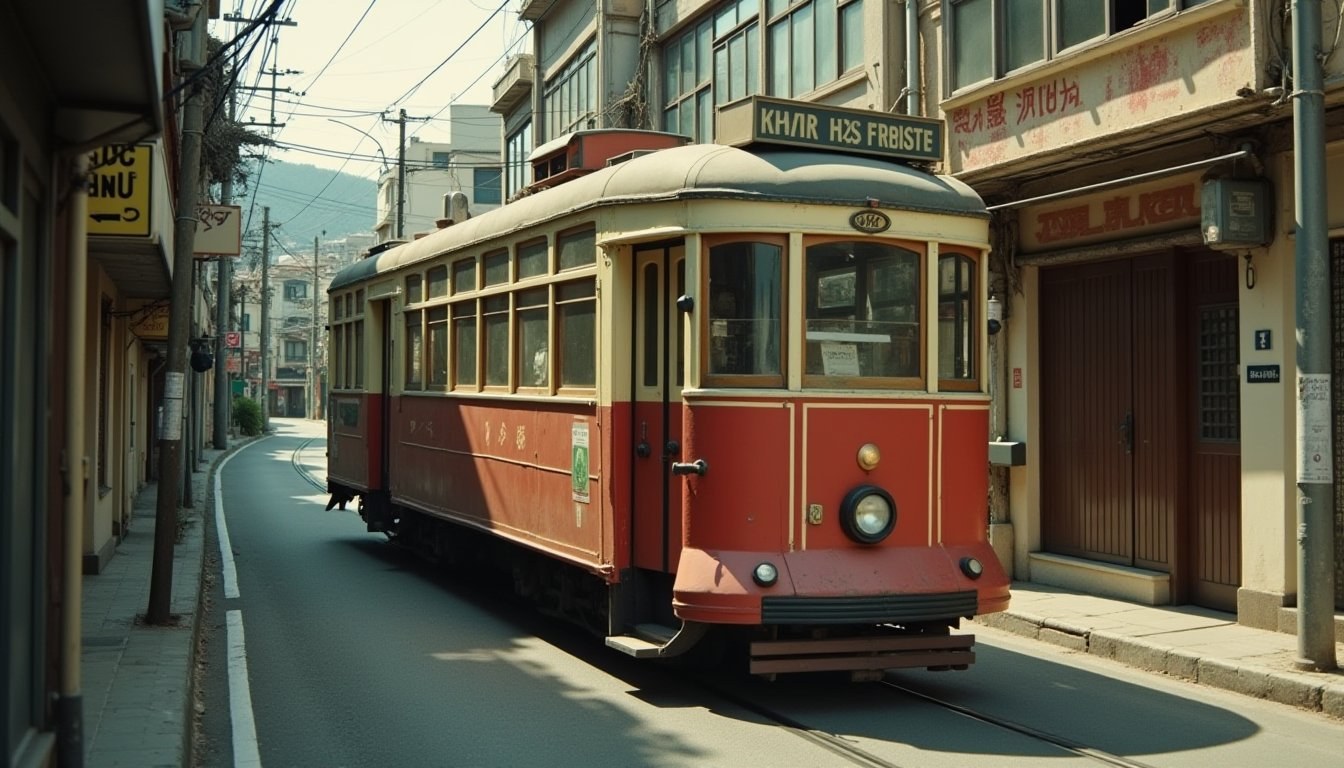
The streetcars are the veins of the city. They are affordable (flat fare) and cover most major tourist spots. However, they are a “Moving Museum,” meaning many vehicles are vintage.
- The Stroller Challenge: The charming older trains (300 series, 1200 series) have high steps and narrow doors. It is physically impossible to board with an open stroller. For detailed strategies on navigating these, please read Riding Nagasaki Trams with Kids: Stroller Routes & Tips.
- The Low-Floor Hack: Look for the modern “Low-Floor Vehicles” (Series 3000 or 5000) which are barrier-free. You can track their location using the “Dokodesu” system online.
2. Taxis: The Secret Weapon for Parents
Because the trams don’t climb the steep hills, buses are usually required for higher ground. However, buses can be cramped. For a family of four, Taxis are often the smartest choice for short distances—specifically for getting from Nagasaki Station to Glover Garden or the Mt. Inasa Ropeway. The convenience of door-to-door transport with a stroller outweighs the small price difference.
3. The New Gateway: Nagasaki Station
Thanks to the West Kyushu Shinkansen (opened 2022), Nagasaki Station has been completely transformed. It is now fully barrier-free with spacious concourses, excellent multipurpose toilets, and nursing rooms. The adjacent Amu Plaza Nagasaki is perfect for dining and sheltering from rain.
Planning to travel by train?
Save money with the JR Kyushu Rail Pass (3 or 5 Days).
The Resort Experience: Sasebo & West Coast
If you are looking for full-day entertainment, head north to the Sasebo and Saikai areas. This is where “History” takes a backseat to “Fun.”
Huis Ten Bosch (HTB)
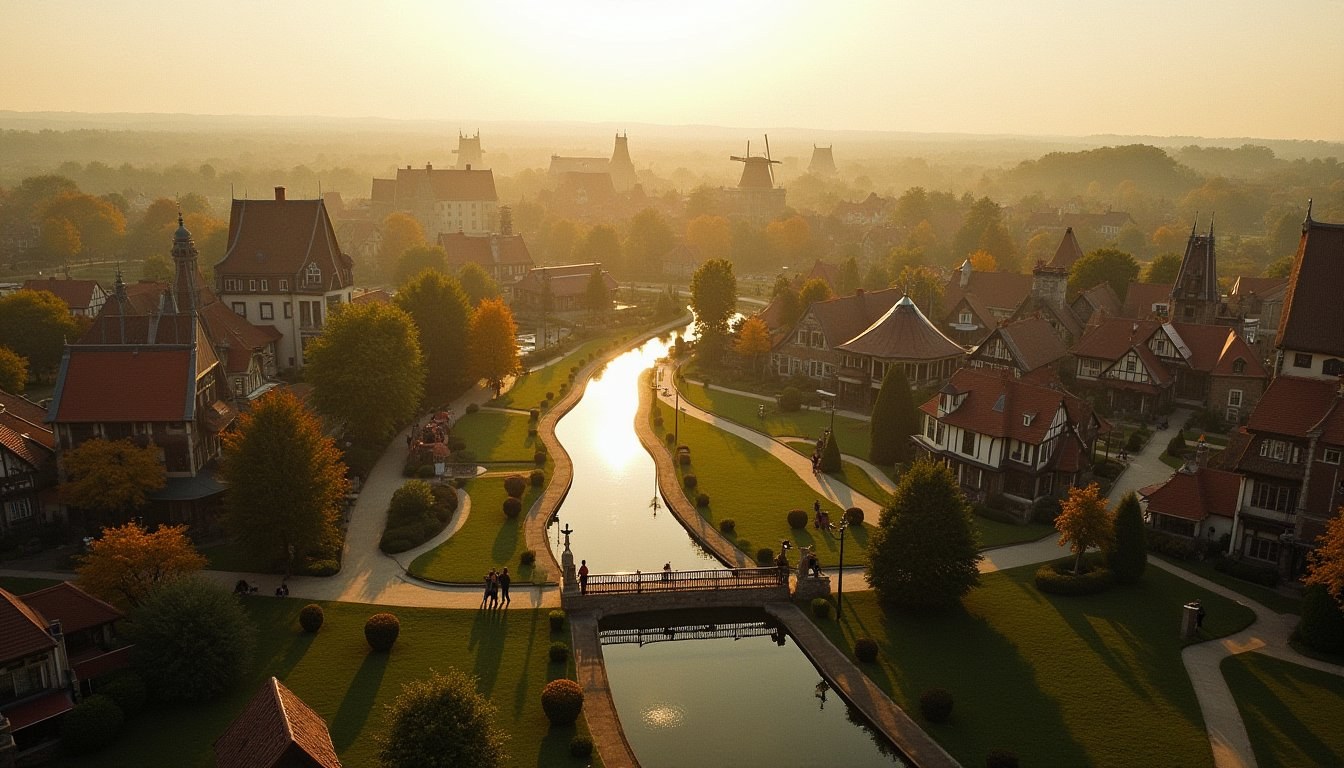
Don’t mistake this for just a “flower park for adults.” As we explain in our Huis Ten Bosch with Kids: Attractions & Illumination Guide, Huis Ten Bosch has aggressively pivoted to become a family adventure hub. At 152 hectares (the size of 33 Tokyo Domes), it is massive, so plan to walk a lot.
- Fantasy Forest: This is Japan’s largest indoor athletic facility. It’s a lifesaver during hot summers or rainy days. It has a dedicated “Bird’s Nest” area for toddlers (1-3 years) to keep them safe from older kids.
- Jurassic Island: For elementary kids and up, you can take a 40-minute boat ride to a deserted island to hunt dinosaurs with AR (Augmented Reality) guns. It takes about 3 hours total, so plan your schedule accordingly.
- Illuminations: The “Kingdom of Lights” is year-round, but the winter display is world-class. Taking a canal cruiser at night allows tired kids to see the lights without walking.
Nagasaki Bio Park
Located in Saikai, this zoo follows an “Ecological Exhibit” philosophy—you enter the animals’ world.
- The Capybara Encounter: In winter, you can see them soaking in open-air baths. Unlike other zoos, you enter their living area to feed and pet them directly. If you are concerned about small children, check our Nagasaki Bio Park Review: Is the Capybara Zone Safe for Small Kids?.
- PAW (Pet Animal World): Located at the entrance, this is great for toddlers who might be scared of larger animals, featuring dogs, cats, and small critters.
Transport Tip: Bio Park is hard to reach by public transport. However, there is a Free Shuttle Bus from Huis Ten Bosch (Hotel Lorelei) that runs 3 times a day. Reservation is mandatory.
Kujukushima Pearl Sea Resort
Located in Sasebo, this is the gateway to the “99 Islands.”
- Umi-Kirara Aquarium: Famous for its “Jellyfish Symphony Dome” and a roofless main tank that uses natural sunlight.
- Pearl Harvesting: Kids can experience extracting a real pearl from an Akoya oyster, which can be made into an accessory—a perfect souvenir.
Nagasaki City: Animals, Views & New Tech
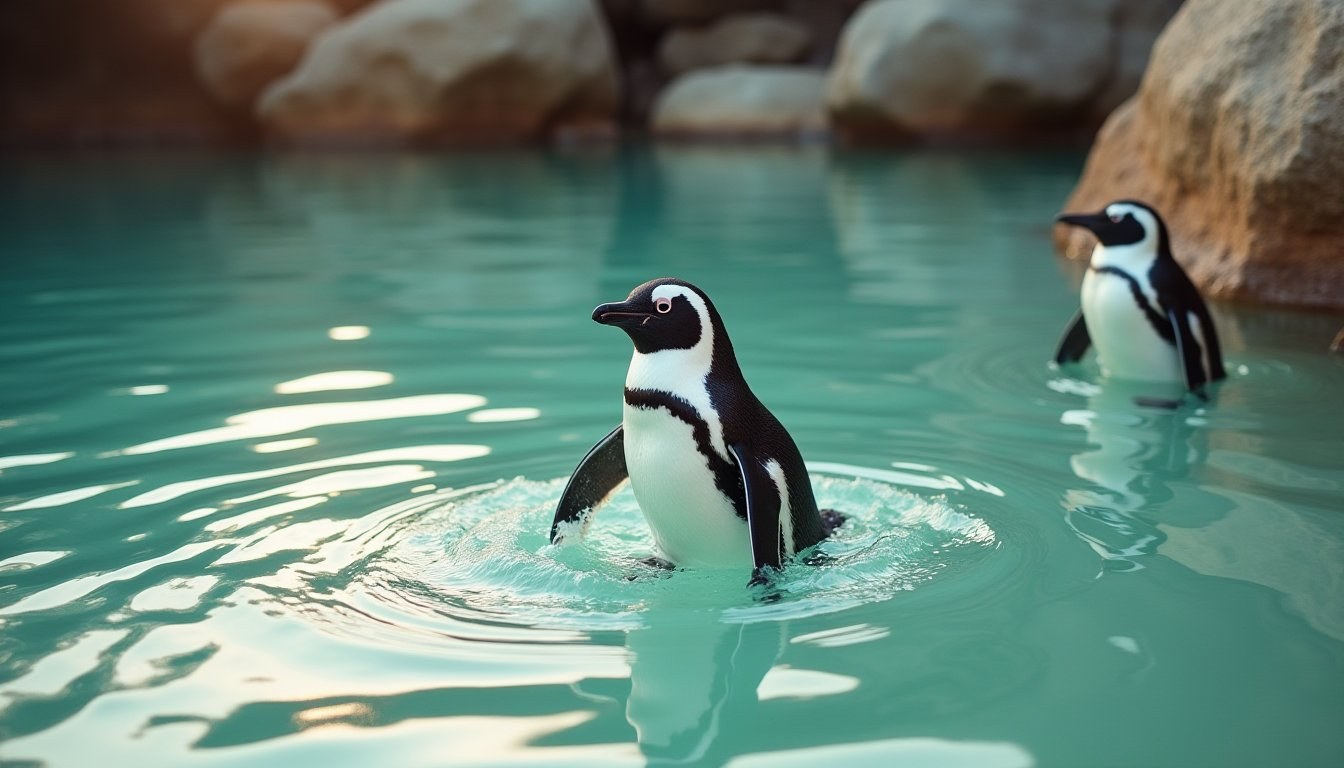
Nagasaki Penguin Aquarium
Located in the eastern part of the city, this facility houses 9 of the world’s 18 penguin species.
- The Beach Experience: This is the only place in the world where you can see penguins swimming in a natural ocean beach zone, not just a tank. On weekends, kids can even throw fish to them in the shallows.
Nagasaki Stadium City (New!)
Opened in October 2024, this complex has changed the game for rainy days in Nagasaki.
- VS STADIUM: Located on the 4th floor, this is an indoor sports variety facility. It features digital activities like “Nige-kill” (running away from a beast on a screen).
- Kids Park: A dedicated area for preschoolers with digital doodling and safe block zones.
Mt. Inasa Night View
Known as a “Top 3 New World Night View,” but the journey up is half the fun.
- Slope Car: A sleek, glass-walled vehicle designed by Ferrari designer Kiyoyuki Okuyama. It connects the mid-slope parking to the summit.
- Timing: Go 30 minutes before sunset. You can see the day view, the sunset, and the city lights coming on—then leave before it gets too cold or crowded.
Navigating History: Peace & Culture
Nagasaki’s history is heavy, but it can be approached in a family-friendly way.
Peace Park vs. Atomic Bomb Museum
- Peace Park: The outdoor area with the Peace Statue is spacious, green, and stroller-friendly. It is a good place for a quiet walk.
- The Museum: Parental Discretion Advised. The exhibits include graphic photos and artifacts that can be traumatic for young children. Many families choose to visit the Hypocenter Park outside for prayer and skip the museum interior with toddlers.
Glover Garden & Dejima
- Glover Garden: While it’s on a hill, you can use the Glover Skyroad (an oblique elevator) to reach the top and walk down, saving your legs. Look for the “Heart Stones” in the pavement—a fun treasure hunt for kids.
- Dejima: The restored Dutch trading post has tatami rooms where you take off shoes, making it safe for crawling babies. Renting a kimono here is a popular activity.
Nagasaki Food Guide for Families
Nagasaki cuisine is famous for being sweet and hearty—perfect for kids.
- Castella (Sponge Cake): The ultimate snack. It has simple ingredients and high nutritional value.
- Fukusaya: The classic. Look for the crunchy sugar crystals (zarame) on the bottom.
- Bunmeido: Milder taste, offers individual slices.
- Castella Ice Cream: Buy this at “New York Do” for a mess-free walking snack.
- Turkish Rice: Essentially an “Adult Kid’s Lunch,” featuring pilaf, spaghetti, and pork cutlet on one plate.
- Tsuruchan: The oldest cafe in Kyushu. Famous, but narrow and crowded (hard with strollers). Try their “Milkeseki” (eating milkshake).
- Restaurant Primrose: Near Spectacles Bridge. Spacious and family-restaurant style, making it easier for groups.
Nagasaki: History & Theme Parks
Recommended Family Itineraries
If you are looking for wider travel plans, see our Kyushu Family Itineraries: The Complete Guide to Planning Your 3 to 7-Day Trip for inspiration.
Plan A: The City Explorer (1 Night, 2 Days)
- Day 1: Arrive at Nagasaki Station. Lunch at Amu Plaza. Afternoon play at Nagasaki Stadium City (VS Stadium). Sunset at Mt. Inasa. Dinner: Turkish Rice.
- Day 2: Morning at Glover Garden (Heart stone hunting). Lunch at Chinatown. Afternoon at Penguin Aquarium (via Taxi). Buy Castella and depart.
Plan B: The Resort Adventure (2 Nights, 3 Days)
- Day 1: Direct access to Huis Ten Bosch. Afternoon at Fantasy Forest. Night cruise on the canal. Stay at a hotel near the park.
- Day 2: Morning Shuttle Bus to Nagasaki Bio Park (Capybara time). Return to HTB for evening illumination or Jurassic Island.
- Day 3: Kujukushima Pearl Sea Resort for the aquarium and boat ride before heading home.
Final Thoughts
Nagasaki requires a bit more “physical” preparation than other Kyushu cities due to its hills, but the rewards are immense. By using the new Stadium City for rainy days, reserving the Bio Park shuttle, and mastering the Tram folding rule, you can unlock a deeply enriching experience for your children.
Exploring the rest of Kyushu? Check our Fukuoka with Kids: The Ultimate Travel Guide (Food, Transport, Tips) for the best start to your trip.
Don’t miss our guide on JR Trains in Fukuoka with Children: Seats, Tickets, and Family Travel Tips if you plan to travel to Nagasaki by rail.
More Nagasaki Guides
Explore individual Nagasaki attractions in detail:
- Nagasaki Penguin Aquarium — one of Japan’s best small aquariums for toddlers
- Glover Garden — hilltop western mansions with harbor views
- Dejima — reconstructed Dutch trading post with hands-on history
- Mount Inasa Night View — one of Japan’s Top 3 Night Views by ropeway
- Nagasaki Lantern Festival — 15,000 lanterns during Chinese New Year
Nagasaki Family Travel Hubs
The four core Nagasaki family travel hubs — each one a complete guide for that aspect of your trip:
- Things to Do in Nagasaki with Kids
- Family-Friendly Hotels in Nagasaki
- Family-Friendly Food in Nagasaki
- Getting Around Nagasaki with Kids
More family guides
- Champon Restaurants in Nagasaki with Kids: A Family Guide to the Original Bowl (2026)
- Nagasaki Atomic Bomb Museum with Kids: An Honest Family Guide
- Where to Stay Near Nagasaki Station with Kids: A Family Guide to City-Center Hotels (2026)
Not sure where to begin? This free guide helps you pick the right Kyushu trip for your family — from a Fukuoka family who actually lives here.
- ✅A simple “which trip suits us?” chooser — by days, ages & interests
- ✅Snapshots of all 7 prefectures — what’s actually worth it with kids
- ✅Instant PDF download — name your price (free), no spam
Onsen, rail, or a full itinerary? It points you to the right deep-dive guide.