
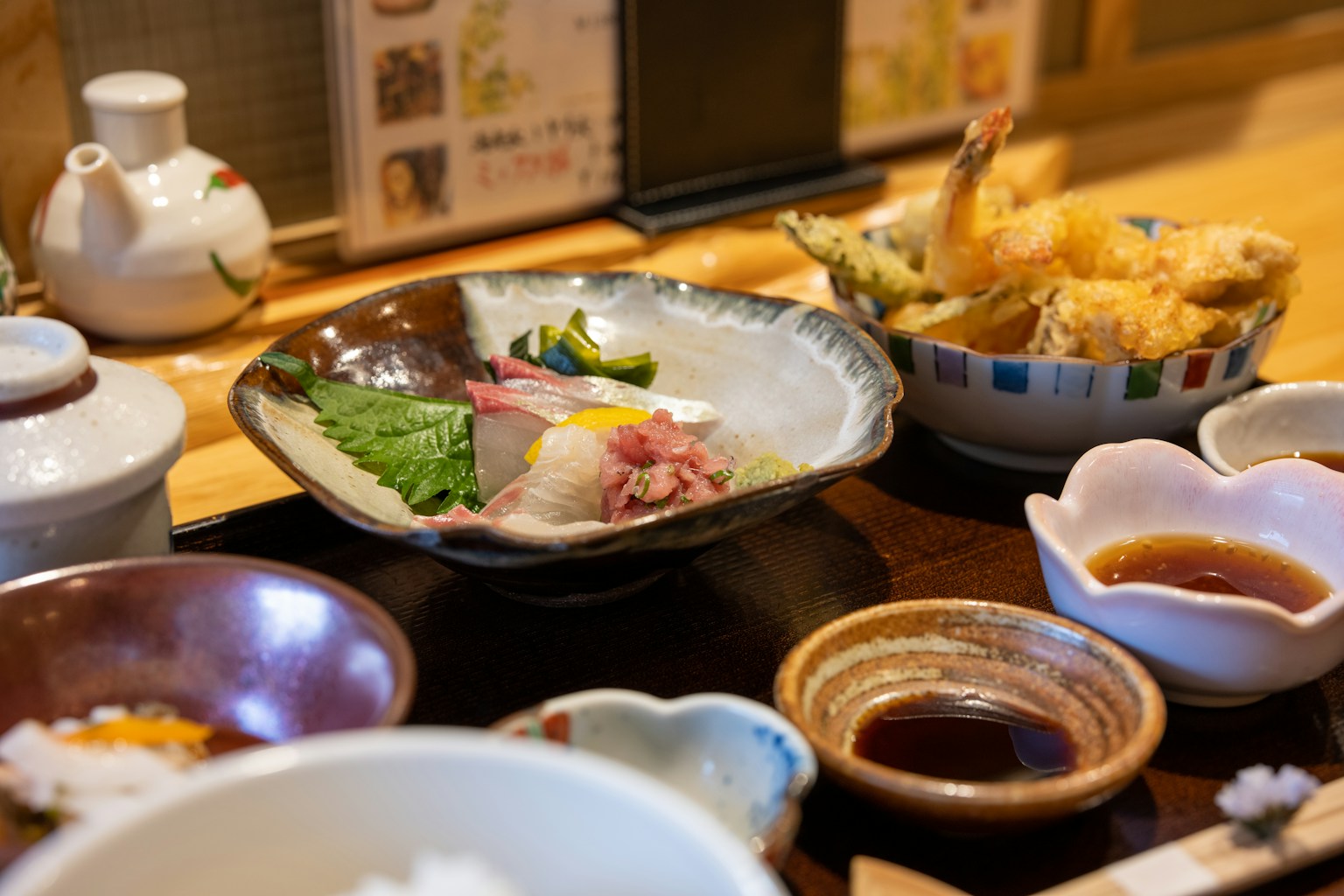
Kaiseki — the multi-course haute cuisine of Japan — is one of the most distinctive food experiences a family can have on a Kyushu trip.
Eating it in a private room (koshitsu) is the trick that makes it work even with younger kids.
A private room turns a formal, slow meal into something a 4-year-old can actually sit through.
Kids can talk, fidget, and take breaks without a single sideways glance from other diners.
This guide explains how kaiseki works, where to find private-room kaiseki in Kyushu, and what kid-portion menus exist.
It also covers allergy handling, etiquette basics, and price tiers from accessible (¥8K) to ultra-luxury (¥40K+) per person.
What kaiseki actually is
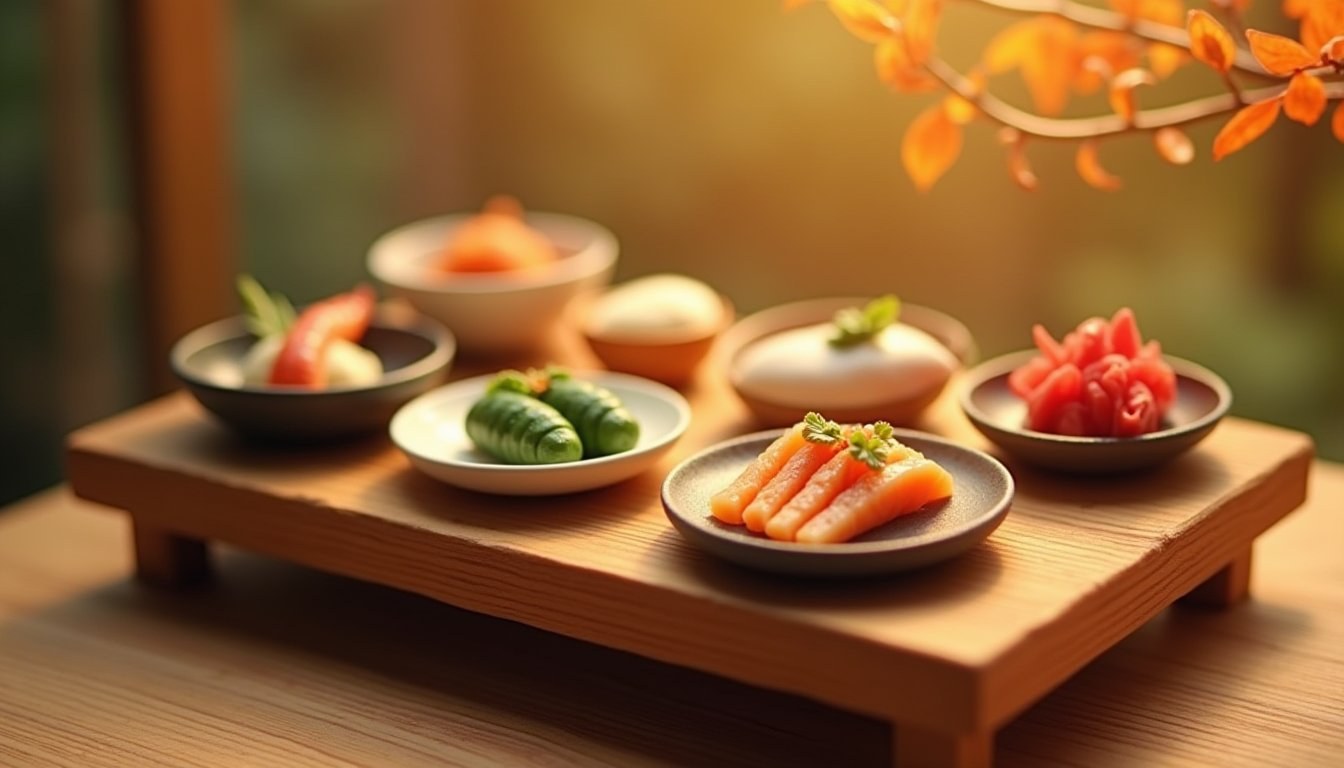
- Multi-course tasting meal (8–14 courses) emphasizing seasonal ingredients, technique, and aesthetics
- Each course is small but precisely arranged on artistic plateware
- Tempo: 90–120 minutes typical; pacing slow with conversational gaps
- Traditional structure: zensai (appetizer) → tsukuri (sashimi) → wanmono (soup) → yakimono (grilled) → takimono (simmered) → mushimono (steamed) → gohan (rice) → kohaku (sweets)
- Variations: kappo-style (counter, chef interactive), ryotei-style (formal private rooms), modern fusion
Why private rooms (koshitsu) matter for families
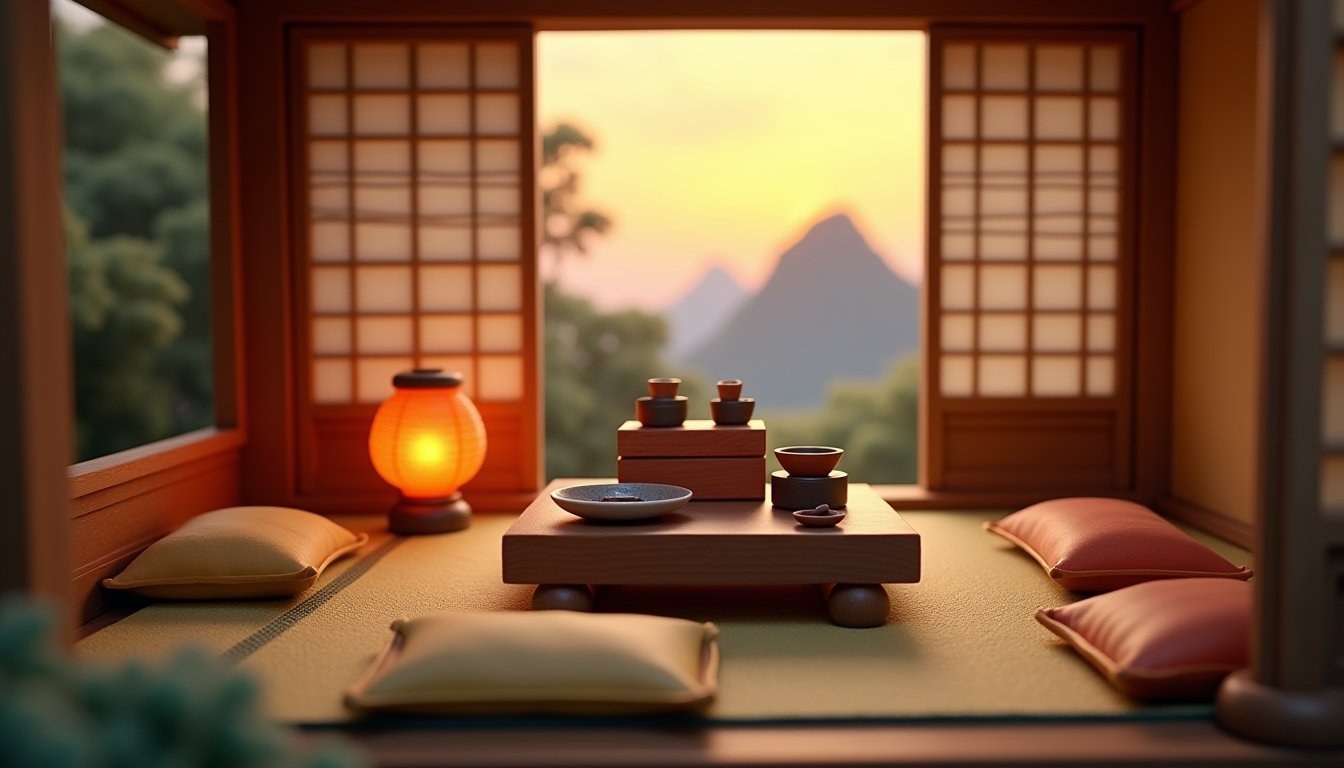
- Kids can speak normally without disturbing other guests
- Tatami-room option lets kids sit/lie comfortably for long meal
- Kid-portion meals served simultaneously, no awkward looks
- Servers learn your kid’s pace; pacing adjusted
- If kid needs break, parent can step out without disrupting room
- Photo opportunities for memory-making
Top private-room kaiseki options in Kyushu

Tier 1: Ultra-luxury (¥30,000+ per adult)
- Tarugen (Ritz-Carlton Fukuoka): 14-course modern kaiseki; private rooms; English-speaking staff; about a 5-minute walk from Tenjin or Akasaka Station (see our Ritz-Carlton Fukuoka family review for the hotel itself)
- Kashiwaya Fukuoka (some seasons): Michelin-rated; private rooms by appointment only — reserve well ahead via Pocket Concierge
- Suizenji Coriden (Kumamoto): garden-view kaiseki near Suizenji Jojuen (Suizenji Station, JR Hohi Line); established luxury
- Top luxury ryokans (in-house): Sansou Murata, Kamenoi Bessou, Sanga Ryokan — included with stay
Tier 2: Premium (¥15,000–25,000 per adult)
- Ufutei Fukuoka: refined kaiseki, family-friendly private rooms (Hakata/Nakasu area)
- Senrei Fukuoka: high-quality ingredient focus, English menu available
- Yufuin ryokan dinners (separate from stay): many luxury Yufuin ryokans accept walk-in dinner with reservation
- Kihachi Fukuoka: modern Japanese with kaiseki elements
Tier 3: Accessible (¥8,000–15,000 per adult)
- Kasunoya (Hakata): traditional but family-friendly
- Sanseki Yotcho (Hakata): private booth options
- Ginshari restaurants: kaiseki-style course meals at inn-restaurant chains
- Most onsen ryokan in-house dinners (1-night basis): ~¥10,000–18,000 per person
- Hours: Lunch 11:30-14:00, Dinner 17:30-22:00 (typical)
Once you’ve shortlisted a tier, lock in the surrounding logistics early — private rooms book out weeks ahead in peak seasons.
Browse Fukuoka food tours, sushi counters & private-dining experiences on Klook →
Kid menus and adaptations
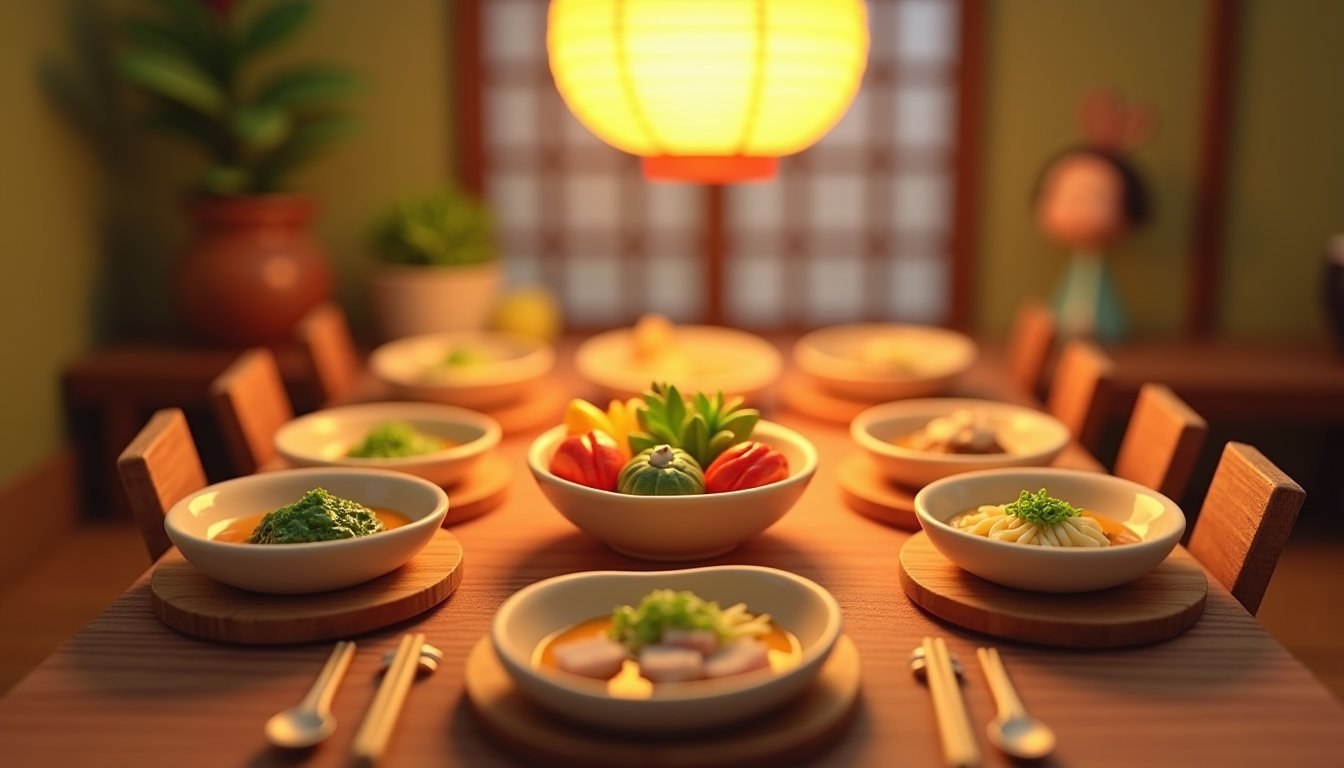
Kid kaiseki (kodomo kaiseki)
- Available at most luxury restaurants for kids 4–12
- 5–7 courses (vs 12–14 for adults); simpler ingredients
- Common: tempura, grilled fish, simple sashimi, kid-friendly soup, rice + dessert
- Price: typically 50–60% of adult course (e.g., ¥10K kid course at ¥20K adult restaurant)
Toddler-friendly options (under 4)
- Many restaurants offer “yoji yoshoku” (toddler Western) — small Western-style plate
- Or split adult course portion with parent
- Bring own bib and snacks for between-course gaps
- Some restaurants have toddler high chairs; ask at booking
Allergies
- Most luxury restaurants accommodate with 1-week advance notice
- Common: shellfish, eggs, peanuts, sesame (sesame is hidden in many Japanese dishes)
- Submit written allergy list in Japanese for accuracy
- Vegetarian/vegan: harder; some restaurants offer “shojin ryori” alternative kaiseki (Buddhist temple-style)
Etiquette essentials
- Remove shoes at private room entrance
- Sit seiza (kneeling) or modern alternative (cross-legged); restaurants increasingly accept casual sitting
- Wait for everyone served before starting course
- “Itadakimasu” before eating, “Gochisousama” after
- Don’t pour your own drink — pour for others, accept reciprocal pour
- Don’t move plates around; eat in served arrangement
- Compliment chef or server about the experience at end
- For kids: aim for 80% etiquette, 100% effort; servers very forgiving
Booking strategy
- Book private room directly with restaurant (Tabelog or Pocket Concierge for English)
- Specify “with children, including ages X” — restaurant pre-arranges kid menus and seating
- Lead time: 2–4 weeks for top luxury; 3–7 days for tier-2/3
- Confirmation via email or phone day-before
- Cancellation: typically 3–7 days for full refund
- Closed days: many kaiseki restaurants take one weekday off (often Sunday or Monday) — confirm on Tabelog before fixing your travel dates
Book-now checklist for decided families
If your dates are set, work this list in order — the early steps gate the later ones.
- Pick your tier and target restaurant from the list above
- Reserve in English via Pocket Concierge or check the restaurant’s Tabelog page for the direct line
- State the number and ages of children and request kodomo kaiseki or a toddler plate
- Submit allergies in writing (Japanese) at least one week ahead
- Request a tatami private room and the earliest seating (17:30)
- Re-confirm by email the day before
Lead-time quick reference
| Tier | Price / adult | Book ahead | Easiest English channel |
|---|---|---|---|
| Tier 1 (ultra-luxury) | ¥30,000+ | 3–6 weeks | Hotel concierge / Pocket Concierge |
| Tier 2 (premium) | ¥15,000–25,000 | 1–3 weeks | Pocket Concierge / Tabelog |
| Tier 3 (accessible) | ¥8,000–15,000 | 3–7 days | Tabelog / ryokan direct |
If a restaurant won’t take an overseas reservation directly, a curated experience platform is the easiest English-language fallback.
Check live availability and reserve Fukuoka dining on Klook →
What to wear
- Smart casual at minimum; some top restaurants smart casual + collar required
- Children: clean clothes; no athletic wear at high-end
- Yukata acceptable if dining at ryokan
Key tips for first-time families
- Pace yourself: don’t have a packed sightseeing day before kaiseki; kids fade fast
- Earlier seating better: 17:30 first-seating gives kids time to settle
- Bring quiet activity: small drawing pad, cards for between courses
- Photograph each course: kid memory + Instagram value
- Skip the sake course: wine or non-alcoholic options work well with kaiseki
- Confirm tip culture: not standard in Japan; included in service
Combining kaiseki with luxury stay
- In luxury ryokan stay: kaiseki is included — the easy default option
- In luxury hotel stay (Ritz-Carlton): dine at the hotel kaiseki restaurant or arrange off-site (full walkthrough in our Ritz-Carlton Fukuoka with kids review)
- Multi-night kaiseki tour: schedule alternate nights of kaiseki + casual dining; kids need rotation
When the kaiseki is bundled into a ryokan stay, booking the right room is booking the dinner.
Compare ryokan that serve in-house kaiseki: check Yufuin ryokan rates on Agoda → — and read our Beppu luxury ryokan guide for an onsen-side alternative.
Best kaiseki experiences for kids’ enjoyment
- Counter (kappo-style): chef talks while preparing; kids see action — engaging for ages 8+
- Hot pot kaiseki (nabe-ryori): family dines from communal pot; less formal
- Yufuin/Beppu ryokan dinners: scenic with onsen view; kids relaxed in yukata (see our Yufuin and Beppu ryokan picks)
- Lunch kaiseki: shorter, less formal; great first kaiseki experience for kids
Cost comparison: kaiseki vs other dining
- Mid-tier kaiseki dinner (¥15K/adult, ¥10K/kid x 2 = ¥50K total for family of 4)
- Equivalent in Tokyo: ¥80–120K (kaiseki at this tier)
- Equivalent in Kyoto: ¥70–100K
- Kyushu kaiseki value: 30–50% less than Tokyo for similar quality
Pairing a special-occasion dinner with a Hakata or Tenjin base keeps your evenings short and stroller-friendly.
Compare family-room hotel rates in Fukuoka on Agoda →
For casual nights between course-heavy meals, see our family-friendly Fukuoka food guide, and build the daytime around our top things to do in Fukuoka with kids.
Related luxury family-travel guides
- The Ritz-Carlton Fukuoka with Kids: Family Review
- Luxury Ryokans in Yufuin with Kids
- Luxury Ryokans in Beppu with Kids
- Family-Friendly Food in Fukuoka
 Top Things to Do in Fukuoka
 Instant confirmation for most tickets
Not sure where to begin? This free guide helps you pick the right Kyushu trip for your family — from a Fukuoka family who actually lives here.
- ✅A simple “which trip suits us?” chooser — by days, ages & interests
- ✅Snapshots of all 7 prefectures — what’s actually worth it with kids
- ✅Instant PDF download — name your price (free), no spam
Onsen, rail, or a full itinerary? It points you to the right deep-dive guide.