

Things to Do in Fukuoka with Kids: A Practical Family Guide by Season

Fukuoka is one of the easiest Japanese cities for traveling with children — compact, low-stress, and packed with family attractions that work for toddlers, preschoolers, and elementary kids alike.
Most of the city’s best family spots sit within 10–30 minutes of Hakata Station by subway, bus, or ferry. That means shorter commutes, fewer meltdowns, and more actual fun on the ground.
What makes Fukuoka especially family-proof is the balance of outdoor parks, indoor backups, and quick island escapes. On a sunny day you can reach a beachside park or a flower island within half an hour.
When rain rolls in — and it will, especially in June and September — malls, aquariums, and indoor play centers are ready to absorb the day without ruining your plans. For broader trip context, see our 3-day Fukuoka family itinerary and seasonal weather guide.
This guide breaks down the best family attractions in Fukuoka with kids by activity type and season. Plan around your children’s ages, the weather, and your family’s energy — not a rigid sightseeing checklist.
Best Outdoor Family Attractions in Fukuoka with Kids
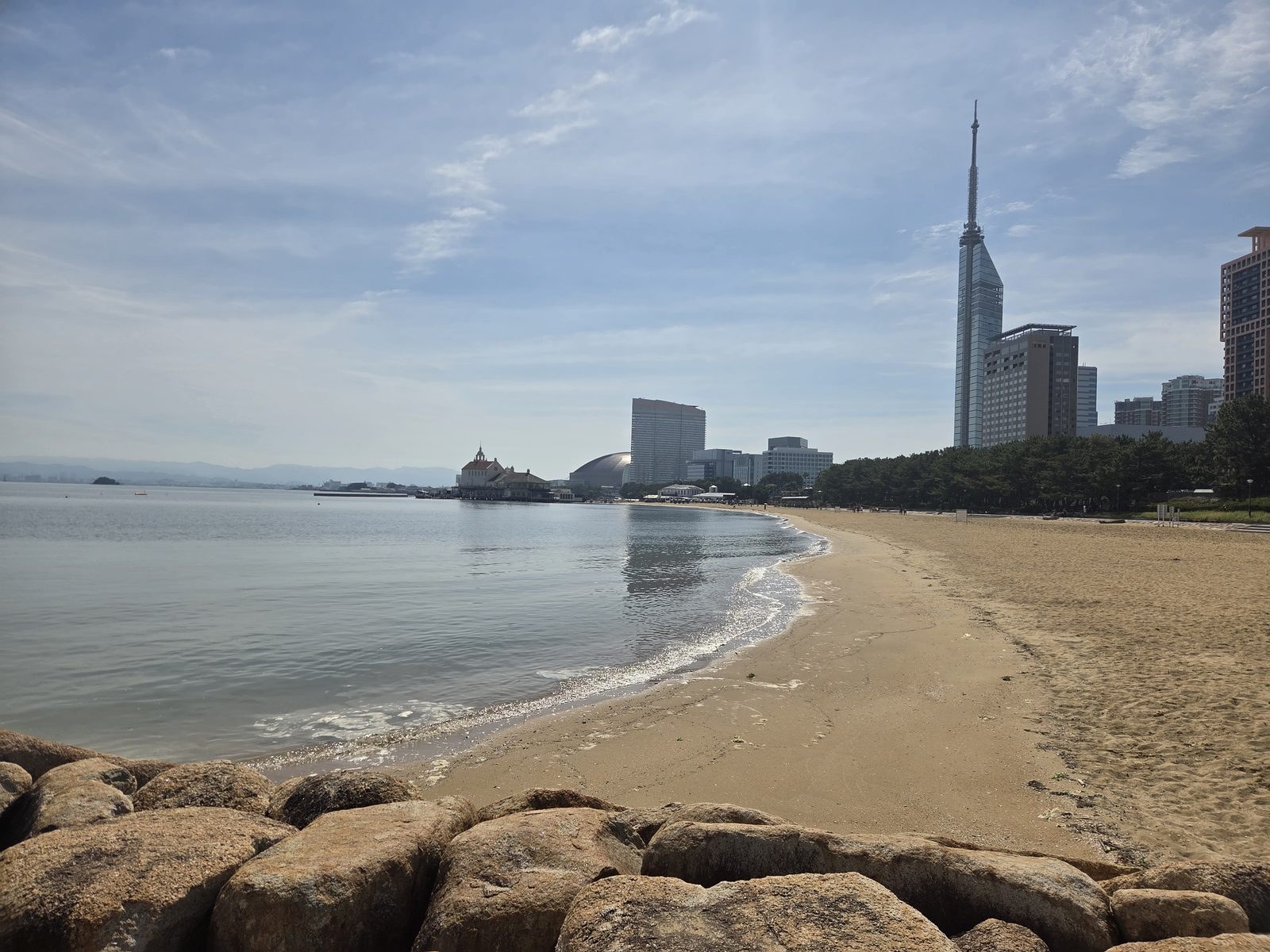
Uminonakamichi Seaside Park (Best Overall Outdoor Pick)
Uminonakamichi is the single biggest outdoor win for families in Fukuoka. The 300-hectare park sits across the bay from Hakata and includes a giant playground, splash pool (summer only), petting zoo, and seasonal flower fields.
Entry is ¥450 for adults and free for kids under 15. Budget 4–6 hours and bring a stroller — distances between zones are long, and walking the whole loop with a 4-year-old took us closer to 7 hours last spring.
Access tip: take the JR Kashii Line direct to Uminonakamichi Station (45 min from Hakata). Skip the ferry if you have nap-prone toddlers — the boat is scenic but adds transfer stress.
Read our deep dive on Uminonakamichi with kids for a half-day route map and lunch picks.
→ Reserve Uminonakamichi tickets on Klook (mobile QR entry, no printing needed).
Ohori Park & Fukuoka Castle Ruins
Ohori Park is Fukuoka’s central green lung — a 2km lake loop perfect for stroller laps, swan-boat rides, and picnic lunches under the cherry trees.
Kids love the Japanese garden (¥250 adults, ¥120 for children under 15, free for under-6s) and the small playground near the south entrance. The castle ruins next door are free and great for unstructured “let them run” energy.
Lunch tip from us: pick up bento at the Ohori subway station Family Mart before entering. Restaurants inside the park have 30–60 minute waits on weekends.
See also our Ohori Park sakura guide for late-March planning windows.
Nokonoshima Island Park
A 10-minute ferry from Meinohama gets you to Noko Island — flower fields, BBQ pits, an animal contact zone, and big lawn slopes for sledding on rented mats.
Entry is ¥1,200 adults / ¥600 kids. Best months: cosmos in October, rapeseed in March, hydrangea in June.
Pack swimwear in summer; the island has a shallow swim cove most guidebooks miss. See our Noko Island family guide for ferry timetables.
→ Book Nokonoshima entry + ferry combo on Klook — skips the cash-only ferry queue at Meinohama.
Best Indoor Family Activities in Fukuoka (Rainy-Day Rescues)
TeamLab Forest Fukuoka
On the 5th floor of BOSS E·ZO Fukuoka, right next to PayPay Dome in Jigyohama, TeamLab Forest is a 90-minute digital art playground with light-up animals, slides, and ball pits that respond to touch and footsteps.
Best for ages 3–10. Tickets are timed-entry and sell out on weekends and during school holidays. Advance booking is essentially mandatory; we’ve been turned away walking up twice.
Strollers can be parked at entry but the experience is barefoot or socks — bring grippy socks for toddlers, or buy them at the gift shop (¥600).
→ Get timed-entry TeamLab Forest tickets on Klook — cheaper than the door rate, mobile ticket, English checkout.
KidZania Fukuoka (LaLaport)
The newest KidZania (opened 2022) is inside LaLaport Fukuoka. Kids ages 3–15 try real-world jobs — pilot, sushi chef, firefighter, news anchor — and earn play currency they can spend in-park.
This is a 4-hour minimum commitment. Weekends book out 2–3 weeks ahead, school holidays even further. Reserve before you fly to Fukuoka, not after you land.
An adult ticket is required but adults don’t participate in the activities — bring a book or work laptop for the parents’ lounge. There’s free wifi and decent coffee.
For the full LaLaport visit (Gundam statue + food court), see our LaLaport Fukuoka with kids walkthrough.
→ Reserve KidZania Fukuoka tickets on Klook — confirmed time slot, English support, free cancellation.
Marine World Uminonakamichi
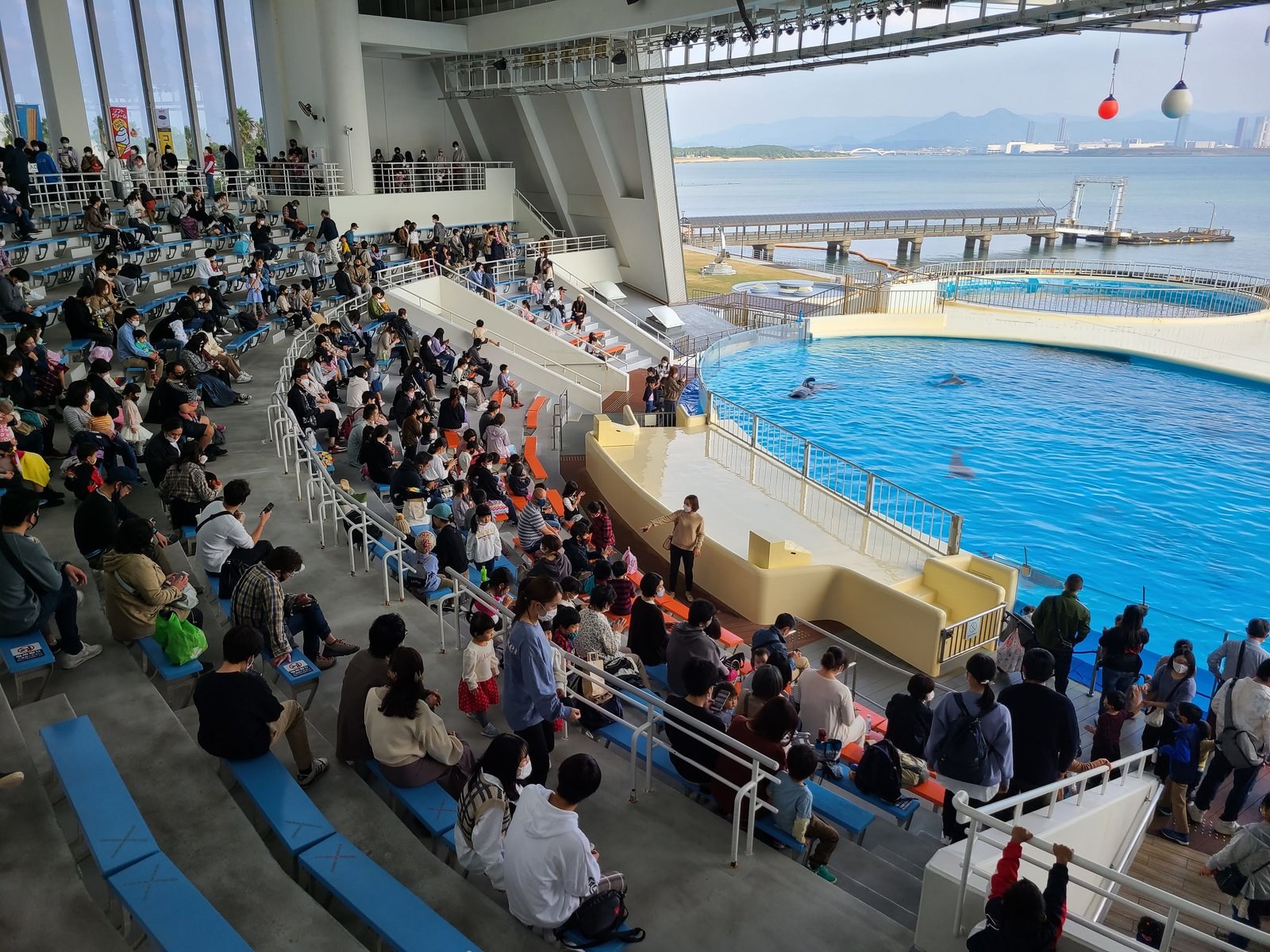
Marine World is the major aquarium next to Uminonakamichi Park — sharks, dolphins, sea lions, and a strong Kyushu-coast theme. The dolphin and sea lion show runs three to five times a day depending on the season and day of the week; check the schedule and arrive 20 minutes early for front-row seats.
Pair it with the park on a single trip if your kids have stamina (and snacks); otherwise split it into two visits.
→ Book Marine World tickets on Klook — bundle with the park ferry for the best per-person value.
Canal City & BOSS E·ZO Indoor Anchors
When the weather is impossible, Canal City Hakata has a free fountain show every 30 minutes plus a Ramen Stadium upstairs that kids love for the slurp factor.
BOSS E·ZO stacks TeamLab, a stadium-edge slide, and arcades into one rainy-day fortress — easy half-day even with grumpy preschoolers.
Summer in Fukuoka with Kids (June–August)

Summer means heat (32–35°C) and humidity. Mornings before 10am and after-4pm windows are the family sweet spots; everything in between is sweat-management mode.
Best summer picks: Uminonakamichi splash pool, Momochi Beach, Nokonoshima sunflower fields, and indoor TeamLab or KidZania for the 1–4pm heat block.
Stroller-friendly air-conditioned escape route: subway from Hakata → Tenjin Underground Mall → Canal City. You can spend a full afternoon without stepping into direct sun once.
For accommodation with family-sized rooms and pools, see our family hotels in Fukuoka guide.
→ Compare family-room hotels in Fukuoka on Agoda (filter by pool + free cancellation).
Autumn in Fukuoka with Kids (September–November)
Autumn is the single best season for family travel in Fukuoka. Comfortable temperatures (18–25°C), low rainfall, and cosmos fields at Nokonoshima and Uminonakamichi.
October highlights: Hakata Old Town festival weekends, Nokonoshima cosmos peak in mid-October, and Dazaifu Tenmangu autumn leaves from late November into early December.
Pair an outdoor morning at Uminonakamichi with an afternoon at Marine World — both kids and grandparents will sleep well that night. We do this loop with our two at least twice a year.
Read more on visiting Dazaifu with kids for the temple + plum-cake combo, or our autumn-leaves family route for the late-November sweet spot.
Want monthly “what’s blooming / what’s open” updates for Fukuoka families? Join our free newsletter at the bottom of this guide — we send seasonal picks before bookings get tight.
Winter in Fukuoka with Kids (December–February)
Winter is mild by Japanese standards (5–12°C) and rarely snows in the city itself. Illuminations at Hakata Station, Canal City, and Mojiko run from mid-November to mid-February.
Indoor anchors carry winter days: TeamLab Forest, KidZania, Marine World, and the new LaLaport Fukuoka (the giant outdoor Gundam is a free photo win even in jackets).
Day trip option: take the Shinkansen 35 minutes to Kokura, then continue to the Mojiko Retro waterfront and Kanmon Strait ferry — easy, scenic, and stroller-friendly without back-tracking.
→ Book a Fukuoka winter illumination bus tour on Klook — covers the three best light-up spots with a heated coach in between.
Planning a December trip? Subscribe to our newsletter for the annual “Fukuoka illumination opening dates” roundup we publish each November.
Planning Tips for Fukuoka with Kids
Getting Around
The subway covers most family attractions. Buy a Hakata 1-Day Pass (¥640/day, free for kids under 6) for unlimited rides.
Strollers are welcome but rush-hour (7:30–9:00 and 17:30–19:00) is genuinely tight on the Kuko line — try to travel outside those windows.
Taxis are reasonable (¥670 start) and most accept IC cards. They’re a sanity-saver for the Uminonakamichi return trip after tired-kid meltdowns.
Where to Stay with Kids
Hakata Station area is best for first-timers — direct airport access and JR for day trips. Tenjin is best for shopping plus restaurants. Momochi or Seaside is best if Marine World and the beach anchor your trip.
See our family hotel comparison for room sizes, kids-stay-free policies, and pool access.
→ Search Hakata family rooms on Agoda — filter by triple/quad rooms and free cancellation.
What to Skip If You’re Short on Time
If you only have 2 days, skip the Fukuoka Tower observatory (kids underwhelmed unless they’re train-buffs) and the Asian Art Museum (too quiet for under-7s). Prioritize Uminonakamichi plus one indoor anchor instead.
Booking Strategy
TeamLab Forest, KidZania, and Marine World should be booked before you fly. Everything else can be decided morning-of based on weather and kid mood.
Check our 3-day family itinerary for a fully sequenced sample plan with morning, lunch, and afternoon slots already mapped out.
Quick Comparison: Top 5 Family Attractions
| Attraction | Best Ages | Time Needed | Indoor/Outdoor | Book Ahead? |
|---|---|---|---|---|
| Uminonakamichi | 2–12 | 4–6 hr | Outdoor | Optional |
| TeamLab Forest | 3–10 | 1.5 hr | Indoor | Yes |
| KidZania | 3–15 | 4 hr | Indoor | Essential |
| Marine World | 2–12 | 2–3 hr | Indoor | Recommended |
| Nokonoshima | 3–12 | 3–5 hr | Outdoor | Optional |
More Fukuoka Family Stories
- Fukuoka with Kids: 3-Day Family Itinerary
- Best Family Hotels in Fukuoka
- Uminonakamichi Seaside Park with Kids: Half-Day Plan
- Dazaifu with Kids: Temple, Plum Cakes & Museum
- LaLaport Fukuoka with Kids: KidZania & Gundam
- Ohori Park Cherry Blossom Guide
- Best Time to Visit Fukuoka (Season-by-Season)
 Top Things to Do in Fukuoka
 Instant confirmation for most tickets
A relaxed, ready-to-use plan from a Fukuoka family who actually lives here — instant PDF, name your price (free).
- ✅A gentle day-by-day Fukuoka plan — ramen, parks, one easy day trip
- ✅Tap-to-open Google Maps for every stop, plus where to stay & family tips
- ✅Instant PDF download — no spam, yours to keep
Planning the whole island? The full 7-day Kyushu itinerary is inside.
Want the whole trip mapped out? This is our complete 7-day Kyushu loop, done for you — the exact route a Fukuoka family runs with their own kids.
- ✓Day-by-day plan — what to do, in what order, at a kid-friendly pace
- ✓Named hotels & booking links — where to sleep each night, no rabbit-holes
- ✓Packing & prep checklists — arrive sorted, not scrambling
Instant PDF · written by locals · hours of planning, done