
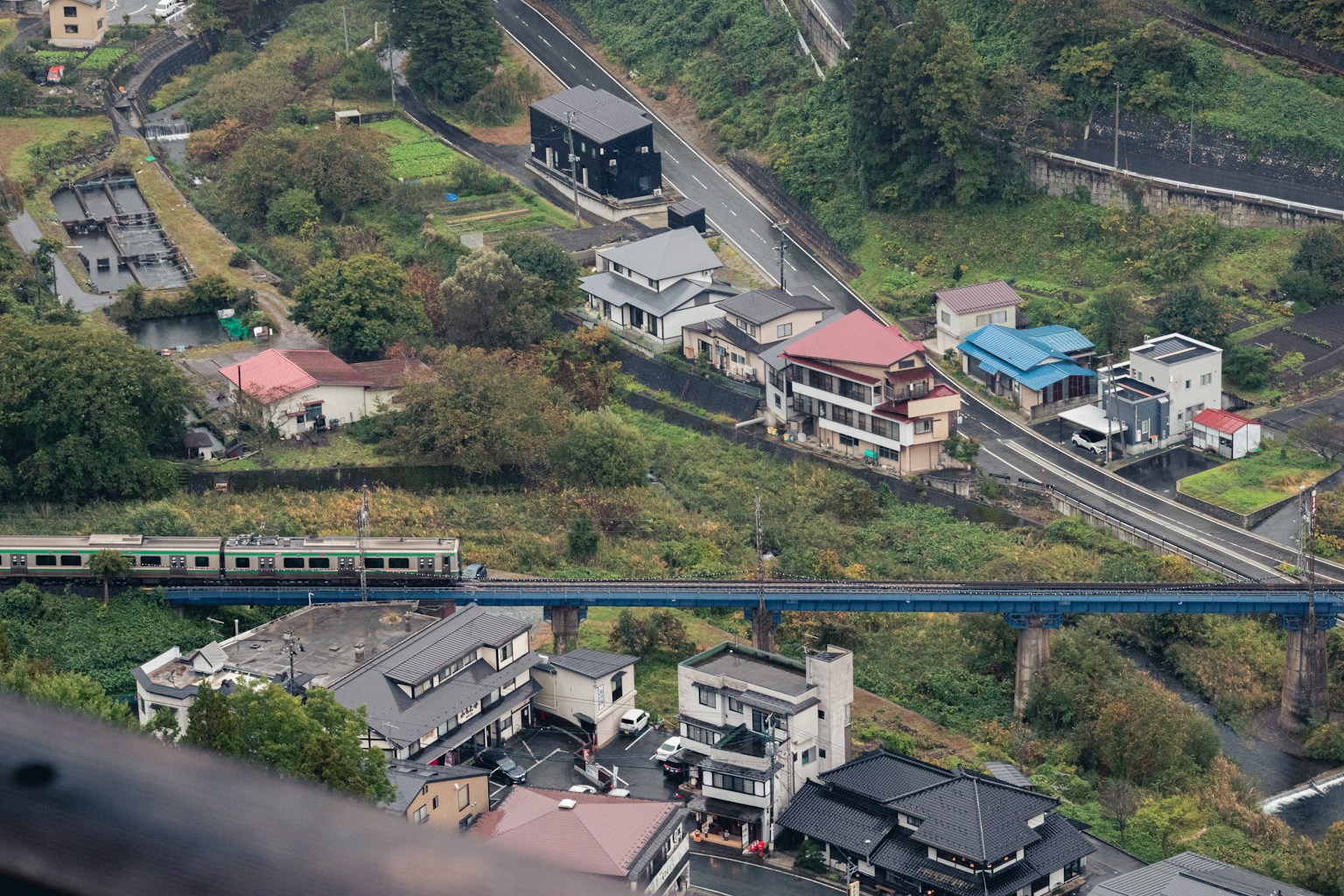
Getting around Saga with kids is easier than most of Kyushu. Saga is one of the region’s quieter prefectures, which means fewer crowded transfers and less competition for rental cars.
A shinkansen-supported approach via the Nishi-Kyushu Kamome line gets your family in fast. Once inside Saga, the JR Karatsu and Sasebo lines handle the train-friendly destinations.
For Yobuko and the pottery towns, though, a rental car is the difference between a smooth day and 90 minutes of bus waits.
This guide covers how to get around Saga with kids in 2026 — train, bus, ferry, and rental options — with stroller access and family pricing. Pair it with our Saga with Kids pillar for the broader trip plan.
Quick Picks: Best Family Transport in Saga
 Planning to travel by train?Save money with the JR Kyushu Rail Pass (3 or 5 Days).
- From Fukuoka / other Kyushu → Kamome shinkansen to Takeo-Onsen + JR Sasebo line, or direct limited express to Saga Station (~40 min from Hakata).
- Saga City ↔ Karatsu → JR Karatsu line (~50 min). Stroller-friendly.
- Saga City ↔ Ureshino → Kamome shinkansen + transfer (~30 min) or direct bus.
- To Yobuko / Pottery towns → Rental car. Bus and train rare.
- From Saga Airport → Bus to Saga Station (~35 min).
Kamome Shinkansen to Saga Region
The new Nishi-Kyushu Kamome shinkansen reshaped Saga travel. It’s faster than ever to reach Ureshino and Takeo, and the transfers are short enough to manage with kids.
Routes, fares & stroller storage from Hakata
- Hakata → Ureshino-Onsen: Limited express Relay Kamome to Takeo-Onsen (~50 min) → transfer same platform → Kamome shinkansen → Ureshino-Onsen (~10 min). Total: ~1 hour 10 min.
- Hakata → Saga Station: Limited express Kamome (no transfer): ~40 min.
- Fares — ~¥2,500–4,500 adult one-way depending on destination. Kids 6–11 half price; under 6 free without seat.
- Stroller storage — End-of-car luggage area on both Relay Kamome and Kamome shinkansen.
- JR Pass / JR Kyushu Pass — Both cover the route.
JR Karatsu Line: Saga City to the Coast

The JR Karatsu line connects Saga City to Karatsu in about 50 minutes. From there it continues to Yobuko-area branches via local transfers.
Trains, transfers & what’s near the station
- Standard local trains — Hourly or every 30 minutes. Stroller-friendly.
- Fukuoka subway through-running — Some Karatsu line trains run direct to Tenjin (Fukuoka) via the airport subway. A useful no-transfer option from Fukuoka.
- Karatsu Station — Walking distance to Karatsu Castle, the covered shopping arcade, and the famous Karatsu Kunchi float museum. See more in our Things to Do in Saga with Kids guide.
- Reaching Yobuko — Bus connection from Karatsu Station (~30 min). Cars are easier with kids and luggage, and put you closer to Yobuko’s famous squid lunches in our Family-Friendly Food in Saga roundup.
JR Sasebo Line + Kamome: Ureshino & Takeo Routes
Both Ureshino and Takeo are best reached via the new Kamome shinkansen route from Hakata. Local connections inside the towns are limited, so plan the last leg ahead.
- Ureshino-Onsen Station — Most ryokans run free pickups from the station. Confirm 1 week before arrival.
- Takeo-Onsen Station — Walking distance to the Takeo City Library + Onsen complex.
- Town buses inside Ureshino — Limited; rely on ryokan shuttles.
Booking an onsen ryokan with station pickup removes the hardest part of the trip with kids. Compare Ureshino onsen ryokan with free station pickup → Or browse our Family-Friendly Hotels in Saga hub first.
Rental Cars: When You Need One

Where a car beats the train
Several Saga destinations are difficult with kids on public transport:
- Yobuko — JR + bus combo is slow with kids. Car cuts the trip from Karatsu in half.
- Arita / Imari pottery towns — Both have JR access (Sasebo line), but combining the two with kids is much easier with a car.
- Niji-no-Matsubara pine forest — Walking from Karatsu Station works, but a car opens up more of the coast.
- Saga Balloon Fiesta site — Festival shuttle bus from Saga Station; otherwise a car is easier.
Pickup points, child seats & booking
Pickup points include Saga Station, Karatsu Station, or Saga Airport. Reserve ahead, especially during balloon festival weeks when stock sells out early.
Child seats are required for kids under 6 and cost ¥1,000–2,000 per trip — add them at booking so they’re waiting at the counter.
Book a rental car for pickup at Saga Station →
Saga Airport (HSG): Family Transport In and Out
Saga Airport is small, with mostly domestic and limited Asia routes. With kids it’s most useful for direct Tokyo flights, or for road-trip families starting from Saga itself.
- Airport bus to Saga Station — ~35 min, ¥1,000 adult.
- Rental car at airport — Best for road-trip families heading to the pottery towns or coast.
- Taxi — ~¥6,000 to Saga Station.
Reserve an airport rental car for the pottery-town road trip →
Ferries: Goto, Iki, Tsushima Routes
Saga isn’t a major ferry hub itself, but Karatsu connects to Iki Island (Nagasaki). With kids, a crossing can be a fun half-day add-on:
- Karatsu → Iki ferry — A good kid-friendly add-on if you have time. ~1 hour 40 min crossing. Bring snacks.
- Imari Bay scenic boats — Seasonal short cruises, kid-friendly.
Family Transport Tips for Saga
- IC cards work everywhere — Suica, ICOCA, Sugoca all work on JR, Saga buses, and most ferries.
- Stroller-friendly stations — Saga Station, Takeo-Onsen, Ureshino-Onsen, Karatsu — all have elevators. Smaller Karatsu line stations may not.
- Confirm hotel shuttle schedules — Many Ureshino ryokans run only 2–3 daily pickups.
- Avoid the Saga Balloon Fiesta peak hours — Around launch times (06:30 + 15:30), all transport is congested. Plan around the launches.
- Typhoon season — June to October can disrupt JR Kamome, the Karatsu line, and Iki ferries. See our Kyushu typhoon season family guide.
FAQ: Getting Around Saga with Kids
Should we take the Kamome shinkansen or drive from Fukuoka? For Ureshino and Takeo, take the Kamome — faster door-to-door than driving. For Yobuko, Arita, and balloon-festival-season Saga City, drive.
Can a stroller fit on JR Karatsu line trains? Yes — standard JR Kyushu local trains have luggage areas at car ends.
Is Yobuko reachable without a car? Technically yes (JR + bus), but the bus is rare with long waits. A rental car is much easier with kids.
Do we need a car for the pottery towns? Either Arita OR Imari alone: train works. Both in one day: a car is much easier.
Are taxis in Saga common? In Saga City and Karatsu yes; in Ureshino and Takeo, ryokan shuttles are more common than taxis.
More Family Travel Guides for Saga & Kyushu
- Saga with Kids: The Ultimate Family Travel Guide — full pillar.
- Things to Do in Saga with Kids — activity hub.
- Family-Friendly Hotels in Saga — where to stay hub.
- Family-Friendly Food in Saga — food hub.
- 3-Day Saga Itinerary in Takeo & Ureshino — onsen-circuit weekend.
- Kyushu Typhoon Season Family Guide — June–October planning.
Saga moves smoothly with kids when you mix transit modes by destination. Use the Kamome shinkansen for the long approach and the JR Karatsu line for the city-to-coast stretch.
Save the rental car for Yobuko and the pottery towns, where it cuts hours off the day. The prefecture’s quieter pace pays off on transport too — no rush-hour stress, no overcrowded trains, and ryokan shuttles that actually arrive on time.
Saga: Hidden Gems & PotteryNot sure where to begin? This free guide helps you pick the right Kyushu trip for your family — from a Fukuoka family who actually lives here.
- ✅A simple “which trip suits us?” chooser — by days, ages & interests
- ✅Snapshots of all 7 prefectures — what’s actually worth it with kids
- ✅Instant PDF download — name your price (free), no spam
Onsen, rail, or a full itinerary? It points you to the right deep-dive guide.
Doing Kyushu by rail with little ones? This guide turns the timetable maze into a stroller-friendly plan — from a family that rides these lines for real.
- ✓The fun trains, ranked — Sonic, Yufuin no Mori, Aso Boy, Shinkansen with kids
- ✓Stroller & luggage flow — which cars, which doors, where the elevators are
- ✓Does the JR Pass pay off? — honest break-even math for family routes
Instant PDF · written by locals · stops the platform panic