
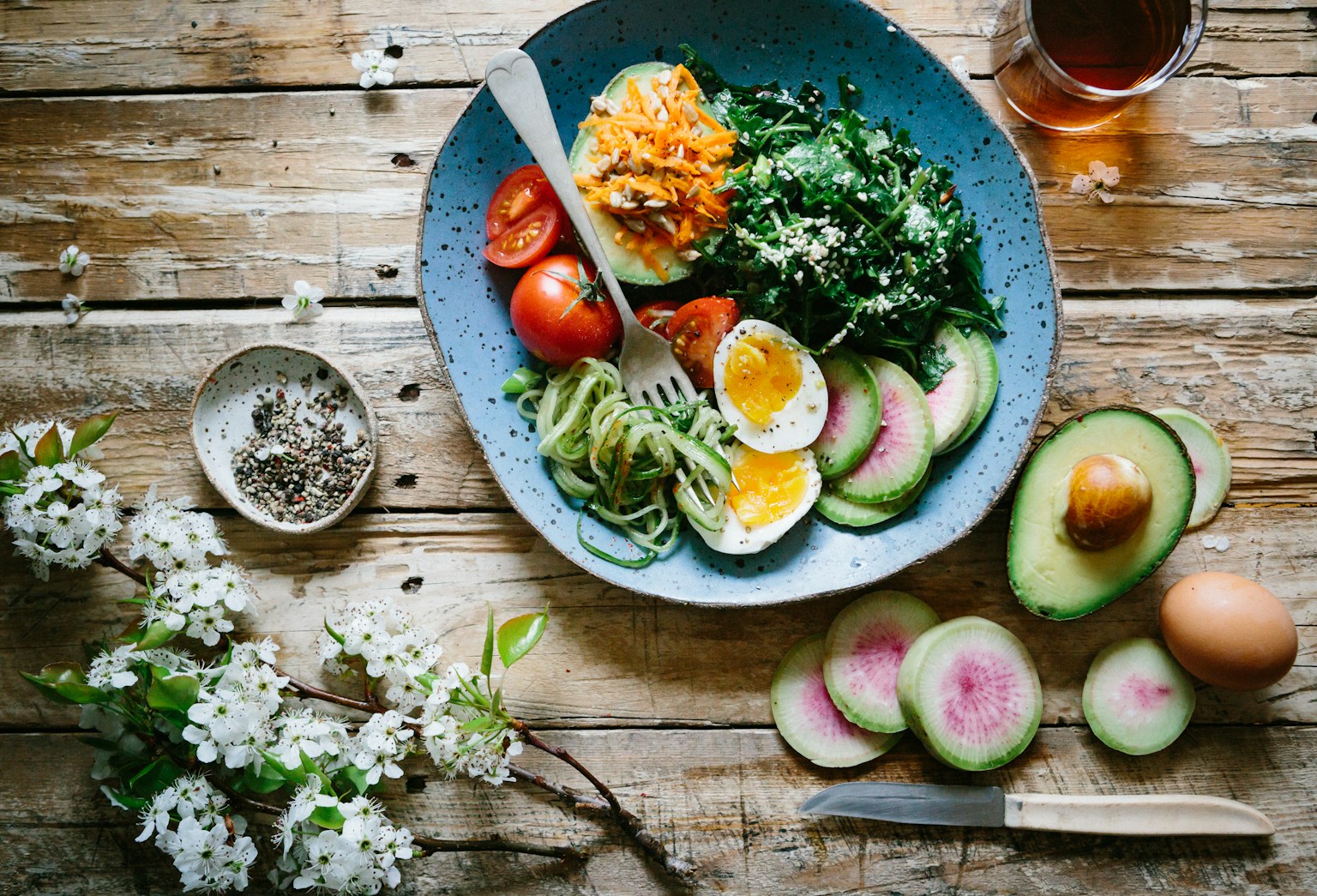
Traveling to Okinawa with a child who has food allergies feels like packing an extra suitcase of worry. The good news: Japan takes allergen labeling seriously, and with a little prep you can eat out safely across Naha, Onna and the northern beach towns. This guide is the practical playbook we wish we’d had.
Eating in Okinawa with Food Allergies (Quick Answer)
Okinawa is manageable for food-allergy families if you prepare. Japan legally requires labeling of eight major allergens (egg, milk, wheat, buckwheat, peanut, shrimp, crab, walnut) on packaged food, so supermarket and konbini products are readable. For restaurants, carry a Japanese allergy card, self-cater breakfasts from AEON or San-A, and keep two adrenaline auto-injectors plus a translated action plan on hand.
Which allergens show up most in Okinawan cooking
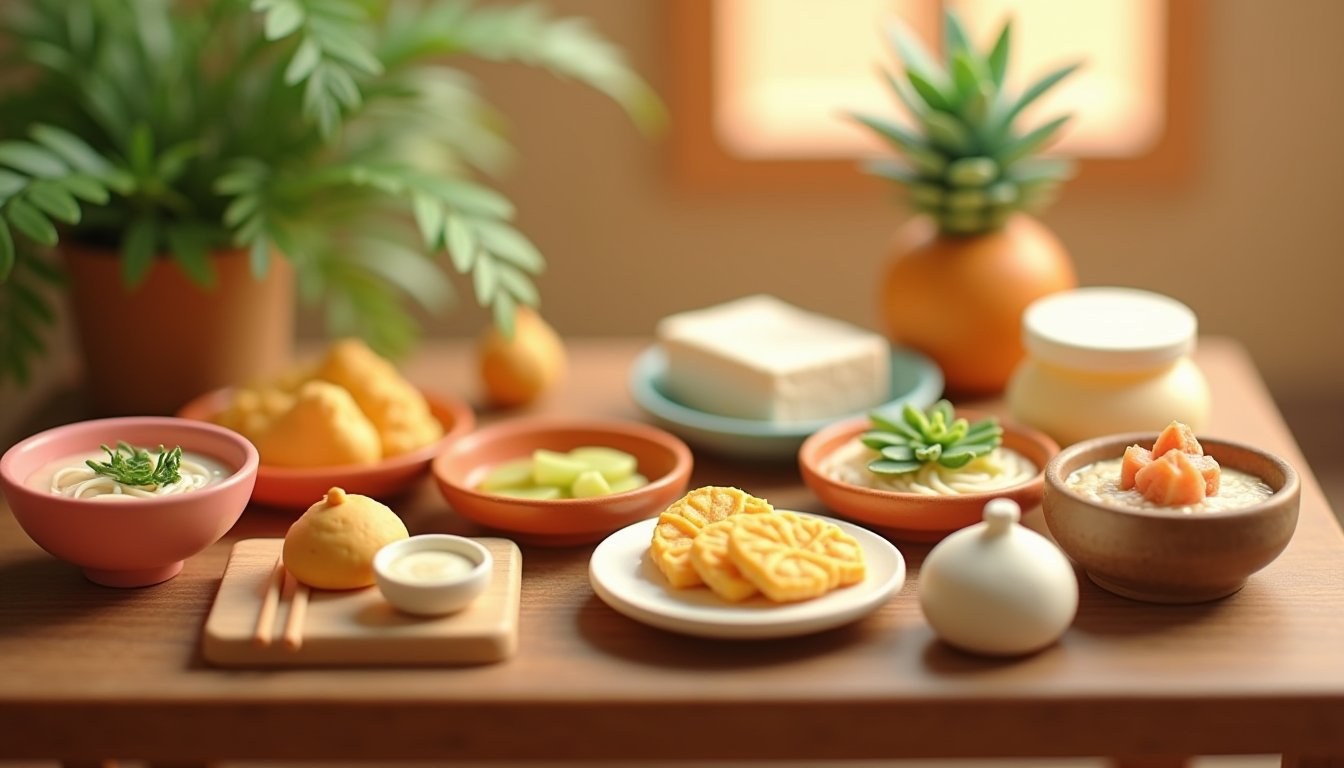
Okinawan food leans on pork, seaweed, tofu and tropical fruit, which surprises many parents. But hidden triggers still hide in plain sight.
- Wheat & soy: Soy sauce, miso and Okinawa soba (the noodles are wheat, not buckwheat) are everywhere.
- Egg: Chanpuru stir-fries, taco rice toppings, and sata andagi doughnuts often contain egg.
- Shellfish & fish: Dashi stock made from bonito (katsuo) is in almost every soup and simmered dish.
- Peanut/tree nut: Less common in traditional dishes but appears in snacks, sata andagi variants and imported American-style food near the bases.
- Milk: Blue Seal ice cream, taco rice cheese, and Western cafe menus in American Village.
If your child reacts to bonito or fish dashi, assume most soups, nimono and even some “vegetable” sides contain it unless confirmed otherwise.
Your most important tool: a Japanese allergy card
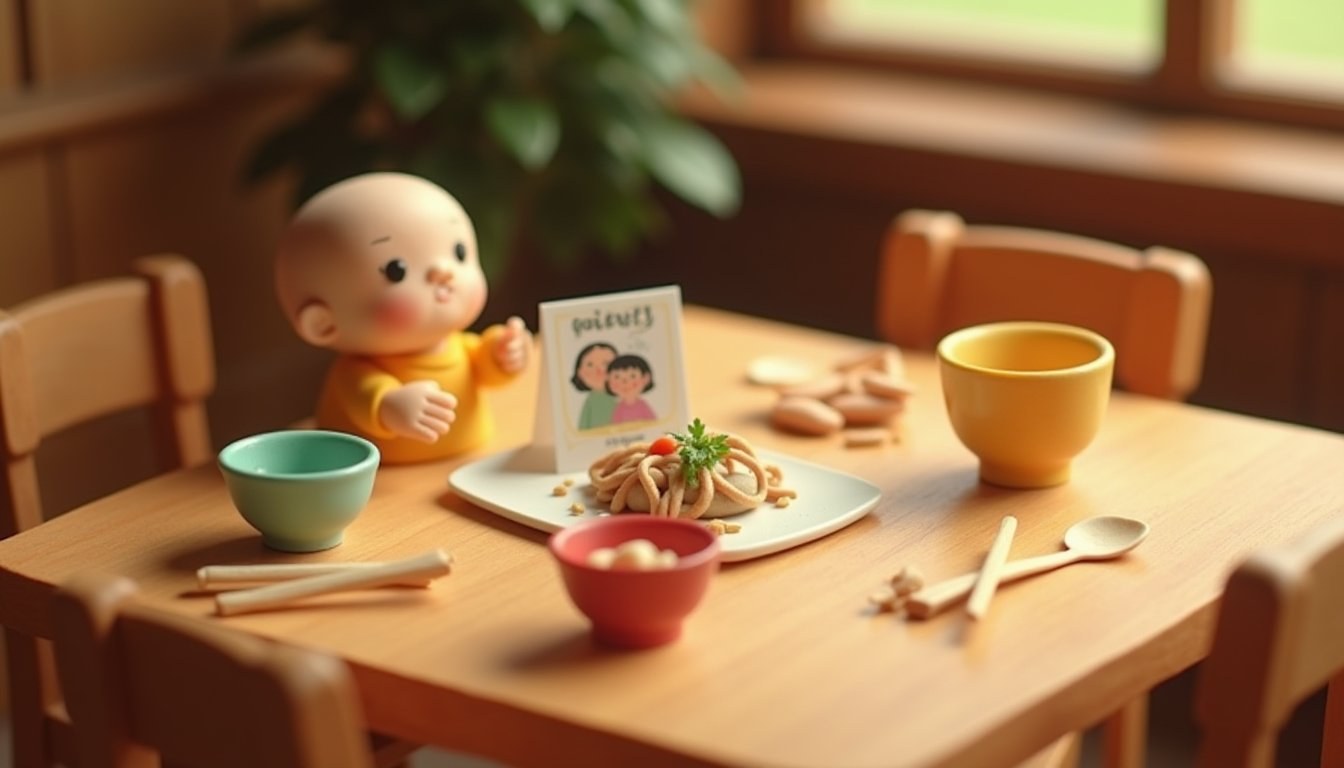
A printed allergy card (アレルギーカード) does more than any phrase you can memorize. Make one per child before you fly.
- List each allergen in Japanese and English, with severity (“anaphylaxis / life-threatening” = アナフィラキシー).
- Add a line: “Please tell us if you cannot guarantee this is safe” (安全か分からない場合は教えてください).
- Include a photo of your child and your hotel/phone contact.
- Keep a digital copy on your phone as backup, plus a Google Translate conversation-mode shortcut.
Hand the card to staff before ordering, not after. Family restaurants and hotel buffets handle these calmly; tiny mom-and-pop soba shops may simply say they can’t guarantee, which is an honest and useful answer.
Reading labels at supermarkets and konbini
Self-catering is your safest bet, and Okinawa’s supermarkets make it easy. Packaged foods list the eight mandatory allergens plus 20 recommended ones (including soy, chicken, pork, mackerel and gelatin).
Look for the boxed 「アレルギー表示」 or a line reading 原材料 (ingredients). The mandatory eight are usually bolded or grouped at the end. For a full store-by-store breakdown, see our guide to supermarkets and konbini in Okinawa for self-catering families.
Our reliable stops:
- AEON Mall Okinawa Rycom — huge grocery floor with clear labeling and a free-from corner. Hours: Supermarket 8:00–23:00; mall 10:00–22:00. Parking: Free.
- San-A and Union — local chains; Union is often Fresh Plaza Union (18 branches) 24 hours; Union Scala (4 branches) 9:00-23:00, a lifesaver for late arrivals.
- Don Quijote Kokusai Street — 9:00-05:00 (next day) — not 24 hours in central Naha for last-minute safe snacks and rice balls.
Restaurants and buffets: where allergy families do best
Some formats are far easier than others. Here’s how the common Okinawa options compare for allergy management.
| Option | Allergen control | Best for ages | Notes |
|---|---|---|---|
| Family restaurants (Gusto, Joyfull) | High — printed allergen charts | All ages | Ask for the アレルギー表 booklet |
| Hotel buffets | Medium-high — labeled dishes | All ages | Notify at booking; chefs often plate a safe portion |
| Soba/izakaya (small) | Low — shared dashi & fryers | Older, milder cases | Cross-contact likely; honest “can’t guarantee” |
| Self-catering condo | Highest — you control it | Severe allergies | Book a kitchen unit |
Chain family restaurants are the unsung heroes: most keep a laminated allergen matrix showing which of the top allergens each menu item contains. If a severe allergy makes eating out stressful, a kitchen unit changes everything — see our guide to condos and vacation rentals in Okinawa for families.
Traditional markets and fruit: safer than you’d think
Whole tropical fruit is a brilliant, naturally allergen-free treat. Mango, pineapple and shikuwasa are everywhere in summer. Our Okinawa fruit guide for kids covers the best farmers markets and what’s in season.
At Makishi Public Market in Naha you can see whole ingredients before they’re cooked, which helps for visual-check families. Browsing is Free to browse; 2F eat-up meals from around ¥1,000; cooking fee applies if you buy fish downstairs and have it prepared upstairs. Just remember the 2F “eat-up” eateries share fryers and dashi, so treat cooked dishes with the usual caution.
For a broader picture of what Okinawan kids actually eat day to day, our family-friendly food in Okinawa guide pairs well with this one.
Booking food experiences safely
Cooking classes, farm visits and guided food tours can be wonderful — but only if the operator can accommodate. Message ahead with your allergen list before you pay. Many Okinawa family activities and food experiences are bookable in advance through Klook’s Okinawa activities, where you can add allergy notes at checkout and keep a written record of what was agreed.
Emergencies: know the plan before you need it
Prepare for the worst so you can relax the rest of the trip.
- Carry two adrenaline auto-injectors per allergic child; Japan uses the same EpiPen device. Bring a doctor’s letter to clear customs.
- Save the emergency number: dial 119 for an ambulance (fire/ambulance).
- Know your nearest English-speaking clinic in advance — our guide to clinics and hospitals in Okinawa with English support lists options by region.
- Translate the phrase: “My child is having an allergic reaction” (子供がアレルギー反応を起こしています) and keep it screenshotted.
Store injectors out of direct heat — Okinawa’s sun is fierce, and a hot rental car can degrade them.
A simple day-by-day eating rhythm
The families who cope best keep a predictable pattern rather than improvising every meal.
- Breakfast: self-catered in your room — safe cereal, fruit, rice balls checked the night before.
- Lunch: chain family restaurant with an allergen chart, or a picnic from AEON.
- Dinner: hotel with a notified kitchen, or a condo cook-up.
This rhythm removes the daily gamble and still leaves room for one adventurous, well-vetted meal out. For the bigger trip picture, our ultimate Okinawa family guide ties the logistics together.
Frequently Asked Questions
Is Okinawa safe for kids with severe food allergies?
Yes, with preparation. Japan’s mandatory labeling of eight major allergens makes packaged food readable, and chain family restaurants provide allergen charts. Severe cases do best self-catering breakfasts and dinners from a kitchen unit while dining out only where cross-contact can be confirmed.
What foods in Okinawa most often contain hidden allergens?
Bonito (fish) dashi is in nearly every soup and simmered dish. Okinawa soba noodles are wheat, soy sauce contains wheat and soy, and chanpuru stir-fries and sata andagi doughnuts often contain egg. Assume dashi and soy are present unless confirmed otherwise.
Do I need a Japanese allergy card?
Yes — it’s the single most useful item. Print one per child listing each allergen in Japanese and English with severity, plus a request for staff to say if they can’t guarantee safety. Hand it over before ordering, and keep a phone photo as backup.
Can I bring EpiPens and allergy medicine to Okinawa?
Yes. Bring two auto-injectors per allergic child and a doctor’s letter explaining the prescription for customs. Keep injectors out of Okinawa’s heat and never in a parked car. Antihistamines are fine to carry in original packaging.
Are konbini and supermarkets reliable for allergy labeling?
Very. Packaged foods list the eight mandatory allergens plus 20 recommended ones including soy, chicken and pork. Look for the boxed アレルギー表示 near the ingredients. AEON, San-A, Union and Don Quijote all stock readable, family-friendly options.
Which restaurants handle allergies best in Okinawa?
Chain family restaurants like Gusto and Joyfull are easiest because they keep printed allergen matrices. Hotel buffets are good if you notify at booking. Small soba shops and izakaya usually can’t guarantee against shared fryers and dashi, so treat them cautiously.
What if my child only eats plain food?
Okinawa handles picky-plus-allergic well. White rice, plain grilled fish or chicken, tropical fruit and safe konbini onigiri cover most days. Self-cater breakfast, carry familiar snacks from home for the flight, and restock at any supermarket.
How do I say “my child has a food allergy” in Japanese?
Use “子供は食物アレルギーがあります” (kodomo wa shokumotsu arerugii ga arimasu). For emergencies, “子供がアレルギー反応を起こしています” means “my child is having an allergic reaction.” Keep both screenshotted alongside your allergen card.
Which island, how many days, and when to go — the free guide that gets your Okinawa plan started, from a Fukuoka family who travels Japan’s south with kids.
- ✅A “which Okinawa trip suits us?” chooser — by days, ages & whether you’ll drive
- ✅Main island vs the outer islands — what’s actually worth it with kids
- ✅Instant PDF download — name your price (free), no spam
Beaches, ferries, or the aquarium? It points you to the right deep-dive guide.