
Why Glover Garden Is Worth the Climb (Even with Kids)
Perched on the slopes of Minamiyamate Hill, Glover Garden is one of Nagasaki’s most iconic attractions.
It’s also one of the most rewarding half-days you can spend in the city with older kids.
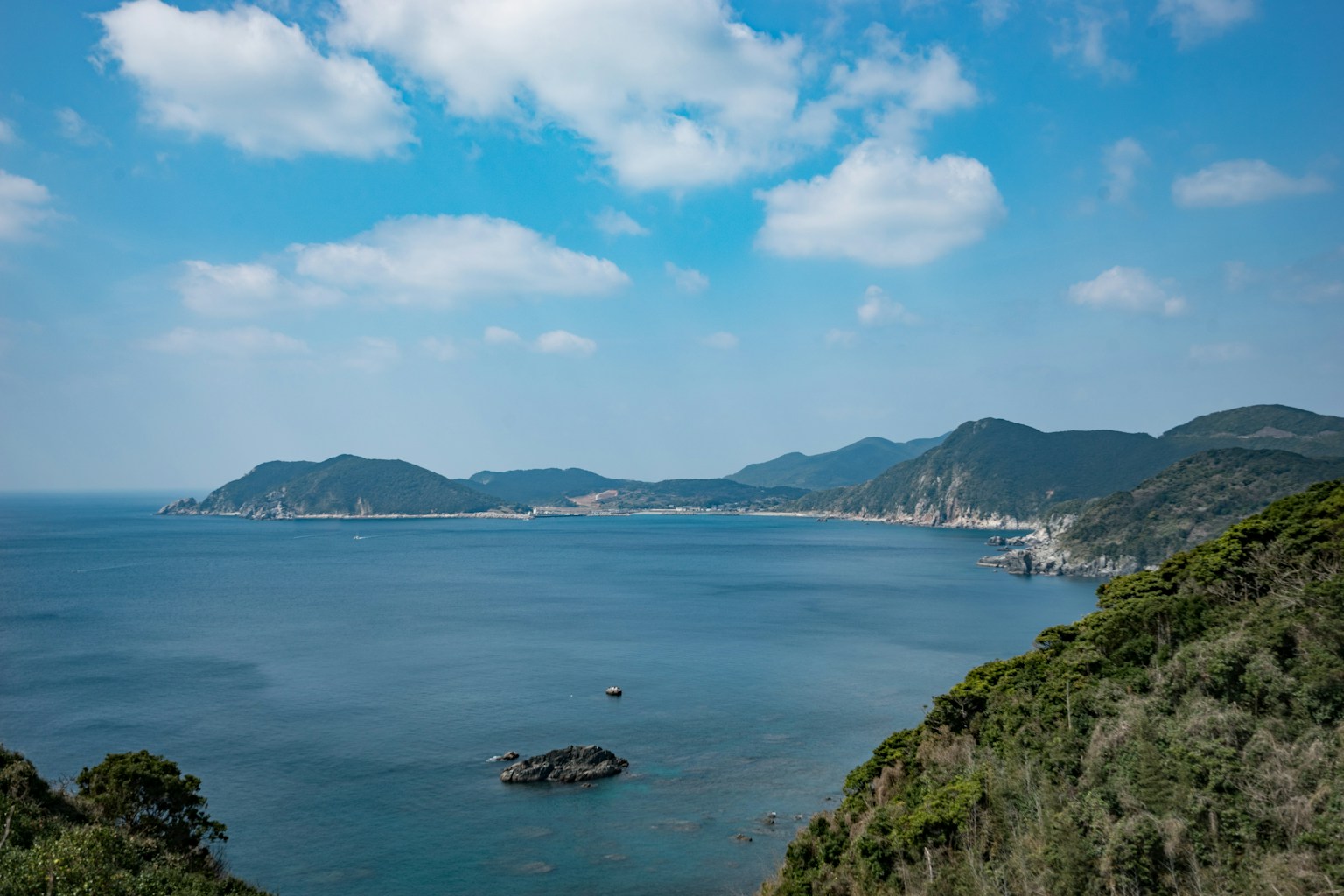
The hilltop setting gives you sweeping views over Nagasaki Harbour.
The Western-style stone mansions dotted across the grounds tell a fascinating story about the city’s role as Japan’s gateway to the outside world.
It’s the kind of place where history doesn’t feel like homework.
That said, we won’t sugarcoat it: this is a hilly, multi-level garden that can be genuinely tough with a pram or a very small child in tow.
We visited with our seven-year-old and our four-year-old, and while both kids loved it, we learned a few things the hard way.
This guide covers everything you need to know about visiting Glover Garden Nagasaki with kids — from getting there by tram to the best harbour photo spots.
We’ll also show you how to plan your route so nobody ends up being carried up a stone staircase.
If you’re planning a wider Nagasaki trip, our The Ultimate Family-Friendly Guide to Nagasaki with Kids: History, Theme Parks & Hidden Gems is a great place to start.
It puts Glover Garden in context alongside the Peace Park, Dejima, and some of the city’s more hidden family-friendly spots.
Getting to Glover Garden with Kids
By Tram (the easiest option)
The tram is by far the most practical way to reach Glover Garden if you’re staying in central Nagasaki.
Take Tram Line 5 to the Oura Tenshudo-shita stop (大浦天主堂下).
From there, it’s about a five-minute walk uphill to the main entrance.
The walk is manageable, but it’s a steady incline — if you have a pram, you’ll want to fold it up before long.
Basing yourself near the tram line makes the whole day easier with kids.
Browse family-friendly Nagasaki hotels on Agoda — central stays near Line 5 put Glover Garden, Dejima, and the Peace Park all within a short ride.
If you’re not used to navigating Nagasaki’s tram network with little ones, check out our guide to Riding the Nagasaki Trams with a Stroller: Routes & Tips.
It covers platform access, folding etiquette, and the most useful routes for families.
By Car or Taxi
Driving to Glover Garden is possible, but parking in this part of Nagasaki is limited and the streets are narrow.
A taxi from Nagasaki Station takes around 10 minutes and drops you near the entrance.
If you’re travelling with young children or a lot of gear, this can be worth the extra cost.
For a broader discussion of whether to drive or take the train around Kyushu with a family, see our piece on Getting Around Kyushu with Kids: Car vs Train for Family Travel.
Entry Fees and Opening Hours
Here’s a quick breakdown of what to expect at the gate:
| Ticket / Detail | Price / Info |
|---|---|
| Adults (15 and over) | ¥620 |
| Children (elementary & middle school) | ¥310 |
| Young children (preschool age) | Free |
| Opening hours | 8:00am – 6:00pm (last entry 5:40pm) |
| Closing days | Open year-round (no regular closures) |
The entrance fee is reasonable for a half-day visit, especially given how much ground the garden covers and the quality of the harbour views.
We found we spent close to two hours wandering without rushing.
Want to fold Glover Garden into a wider day out without the planning headache?
Browse Nagasaki day tours and activities on Klook — guided city tours and harbour experiences that pair neatly with a morning at the garden.
The Outdoor Escalators: A Brilliant Parenting Win
Here’s one of the best practical tips for visiting Glover Garden with kids: enter from the top and work your way down.
The garden has a series of outdoor moving walkways — essentially long escalators — that carry you up the hill from a point near the main entrance gate.
These are a genuine lifesaver if you have tired legs before you’ve even started.
By riding the escalators to the top first, you get the hardest elevation gain out of the way mechanically.
Then you spend the rest of your visit gradually walking downhill — much easier for little legs, and for adults pushing anything on wheels.
The views open up as you ascend, and even our four-year-old was transfixed watching the harbour appear below.
The moving walkways are also covered, which is a small mercy on a hot summer day or during a drizzly autumn afternoon.
If this kind of stress-free logistics is what you’re after for the whole trip, a pre-booked Nagasaki tour on Klook takes the route-planning off your plate so you can focus on the kids.
Stroller Tips: Leave It at the Hotel
We’ll be direct here: Glover Garden is not stroller-friendly.
While the escalators and some main paths are manageable, much of the garden involves cobblestone paths, uneven stone steps, and steep grades between levels.
A pram will spend most of the visit being carried rather than pushed.
Our recommendation is to leave the stroller at your accommodation and use a baby carrier or soft structured carrier instead.
A comfortable front or back carrier keeps your hands free and your child secure.
You can move through the garden at a natural pace without getting stuck at steps.
For a four-year-old who can walk but gets tired, we found that alternating between walking and being carried on an adult’s back (no carrier needed at that age) worked well.
If you absolutely need to bring a pushchair — say, you’re visiting other parts of Nagasaki the same day — be aware that you’ll need to fold it frequently.
Some sections of the garden are simply inaccessible with wheels.
Inside the Garden: What to See with Kids
The Western-Style Mansions
The garden takes its name from Thomas Blake Glover, a Scottish merchant who arrived in Nagasaki in 1859.
He played a significant role in Japan’s Meiji-era modernisation.
His home, Glover House, is the oldest Western-style wooden building in Japan still standing in its original location.
For school-age children starting to learn Japanese history, this is genuinely engaging.
The story of foreign traders living alongside Japanese merchants in a city that was, for centuries, Japan’s only open port is the kind of history that sparks real questions.
There are several other period homes in the garden — the Ringer House and the Alt House among them.
Each comes with period furniture and English-language explanatory panels.
Kids who enjoy dressing up will be excited to find rental period costumes near the garden entrance, though queues can build up in peak season.
Harbour Views and Best Photo Spots
The harbour views from the upper sections of the garden are legitimately spectacular.
On a clear day you can see the full arc of Nagasaki Harbour stretching out below, with Glover House in the foreground and container ships drifting across the water behind.
The best photos are taken from the upper terrace near the top of the escalators.
Arrive early to avoid crowds and catch soft morning light on the buildings.
There’s also a well-known bronze statue of Madam Butterfly near Glover House, referencing the opera inspired in part by the life of Glover’s son.
It’s surrounded by commemorative plaques from opera houses around the world and makes for an interesting talking point with older children.
The Harbour-View Terrace
Midway through the garden, there’s a wide open terrace with benches where you can sit and look out over the water.
It’s a good place to stop for a snack break and let younger children run around before continuing.
The terrace is largely flat and open — one of the few genuinely stroller-friendly zones in the whole garden.
Combining with the Oura Church Area
The area immediately below Glover Garden is one of the most pleasant parts of Nagasaki to walk through with kids.
Oura Church (Oura Tenshudo) is Japan’s only Gothic-style Catholic cathedral and a UNESCO World Heritage Site.
It sits at the foot of the hill and is absolutely worth a brief stop.
Entry costs ¥1,000 per person, with children under junior high school age free.
The interior — with its original stained glass from France — is genuinely beautiful, even for young children with no particular interest in churches.
The shopping street between Oura Church and the garden entrance is lined with souvenir shops, Castella cake vendors, and small cafes.
It’s a good spot to pick up snacks or the Nagasaki specialty kakuni manju (braised pork buns) for hungry children.
The street is compact and easy to navigate with kids — no roads to cross, and plenty of places to duck into if it starts to rain.
For a full day out, consider combining Glover Garden with a morning at Dejima Wharf for waterfront lunch options.
Follow that with the garden and Oura Church in the afternoon.
This pacing works particularly well if you’re spending multiple days in Nagasaki — see our full Nagasaki city guide for a suggested itinerary.
To lock in the Oura and Dejima half of the day, book a Nagasaki city experience on Klook.
Many tours bundle the waterfront and historic harbour district that sit right below the garden.
When to Visit
The garden is at its most beautiful in spring (late March to early May), when roses and flowering shrubs are in bloom.
It’s just as lovely in autumn (October to November), with mild temperatures and clear harbour views.
Summer visits are possible, but the humidity can be brutal by mid-morning — aim to arrive right at 8:00am opening and leave before noon.
Winter visits are quieter and the air is crisp, which makes the harbour views particularly sharp.
Weekday mornings are significantly less crowded than weekend afternoons.
The light is better for photos in the morning, too, regardless of season.
Travelling in peak bloom season? Rooms fill fast for spring and autumn weekends.
Check Nagasaki hotel availability on Agoda and secure a central base before the best dates sell out.
Glover Garden as Part of a Kyushu Family Trip
Nagasaki sits in the western corner of Kyushu and combines well with other family destinations in the region.
If you’re planning a broader Kyushu itinerary, Nagasaki pairs naturally with Huis Ten Bosch with Kids: Best Attractions & Night Illumination Guide.
The Dutch-themed theme park is about an hour away by train and makes for an easy overnight extension.
For a full picture of travelling around Kyushu with a family, our Kyushu with Kids: The Complete Family Travel Guide (2026) has itinerary suggestions, transport tips, and regional highlights.
Frequently Asked Questions
Is Glover Garden accessible with a stroller?
Not really. The main escalators and a few open terraces are manageable, but much of the garden involves stone steps, cobblestone paths, and steep inclines that make pram use impractical.
We strongly recommend a baby carrier instead, or leaving the stroller at your hotel if your child is old enough to walk independently.
How long does Glover Garden take with kids?
Allow around 1.5 to 2 hours for a comfortable visit covering the main mansions, the harbour-view terraces, and the escalator route.
Budget closer to 2.5 hours if you plan to stop for snacks or let younger children explore at their own pace.
Adding Oura Church and the shopping street below adds another 45 minutes to an hour.
If you’d rather have it mapped out, a guided Nagasaki tour on Klook covers the garden and surrounding historic district in one go.
What age is Glover Garden best suited for?
The garden is best suited to children aged 6 and above who can walk independently and engage with history and architecture.
Very young children (under 3) will enjoy the open spaces and views but won’t get much from the museum interiors.
The history content resonates most with primary school-age children and up.
Is there food available inside Glover Garden?
There is a small café and snack kiosk inside the garden, but options are limited.
We recommend bringing water and snacks for younger children, and saving a proper meal for the Oura Church shopping street or Dejima Wharf after your visit.
The Castella cake shops on the approach to the garden are a good pre-visit treat that doubles as a piece of Nagasaki food culture.
Not sure where to begin? This free guide helps you pick the right Kyushu trip for your family — from a Fukuoka family who actually lives here.
- ✅A simple “which trip suits us?” chooser — by days, ages & interests
- ✅Snapshots of all 7 prefectures — what’s actually worth it with kids
- ✅Instant PDF download — name your price (free), no spam
Onsen, rail, or a full itinerary? It points you to the right deep-dive guide.