
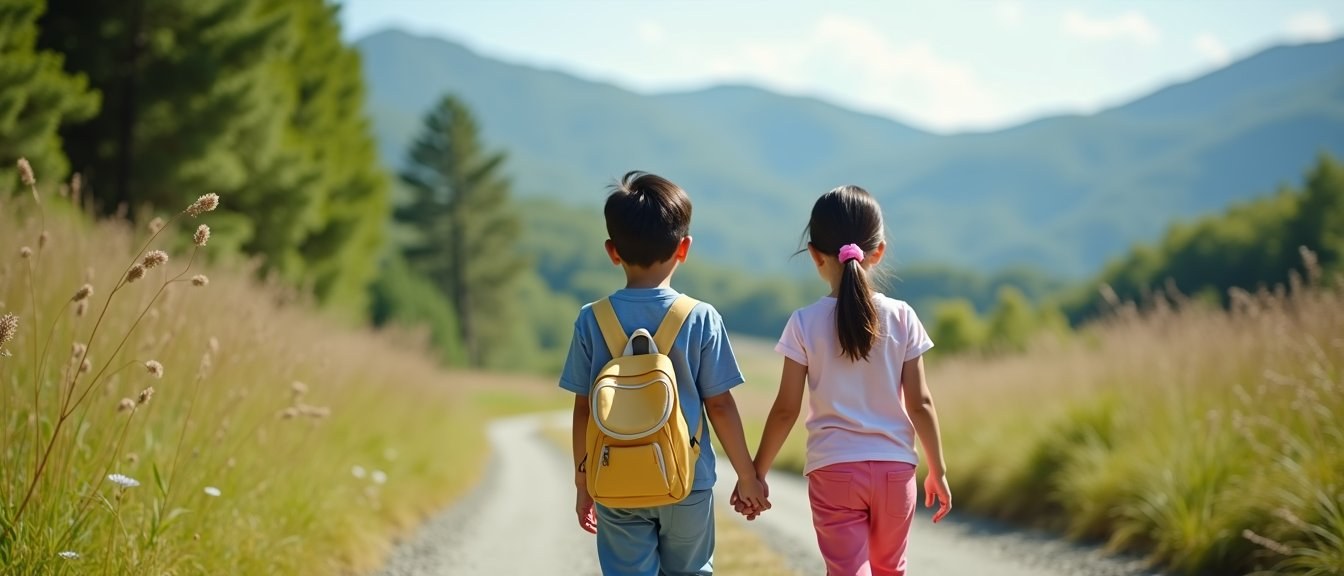
Tokyo is packed. Kyoto’s narrow lanes overflow with tour groups. Meanwhile, Japan’s third-largest island sits quietly to the south.
Active volcanoes you can drive up to, hot-spring towns built for slow family afternoons, black-sand beaches, and arguably the best food in the country — all without the queues.
We’re expat parents raising our kids in Fukuoka, and we’ve spent the last few years exploring Kyushu with strollers, diaper bags, and the occasional toddler meltdown in tow.
This 2026 guide pulls together everything we wish someone had told us before our first family trip: which regions are worth your time, how to get around without losing a nap window, where to sleep, and what to eat.
It also covers the small logistical things other guides skip — like finding baby food at midnight or locating an English-speaking pediatrician. Whether you have a full week to plan or five minutes between toddler tantrums, this is where to start.
Quick Answer: Planning a Kyushu Family Trip
Fly into Fukuoka, base there 2–3 nights, then loop to Beppu/Yufuin and Kumamoto/Mt. Aso. Five to seven days covers three prefectures comfortably with kids. Travel late March–April or October–November, book a ryokan with a private (kashikiri) onsen, and use trains for cities plus a rental car for Aso and Miyazaki.
- Best base: Fukuoka — the airport is two subway stops from Hakata Station.
- Ideal length: 5–7 days (3–4 days if you stay Fukuoka-only with toddlers).
- Best months: late March–April, or October–November.
- Budget: roughly 20–40% below Tokyo or Osaka for the same trip.
 Stay Connected in JapanPre-book your SIM, eSIM, or Pocket WiFi for airport pickup.
Why Kyushu Is the Smarter Family Trip in Japan
Far fewer crowds than the Golden Route
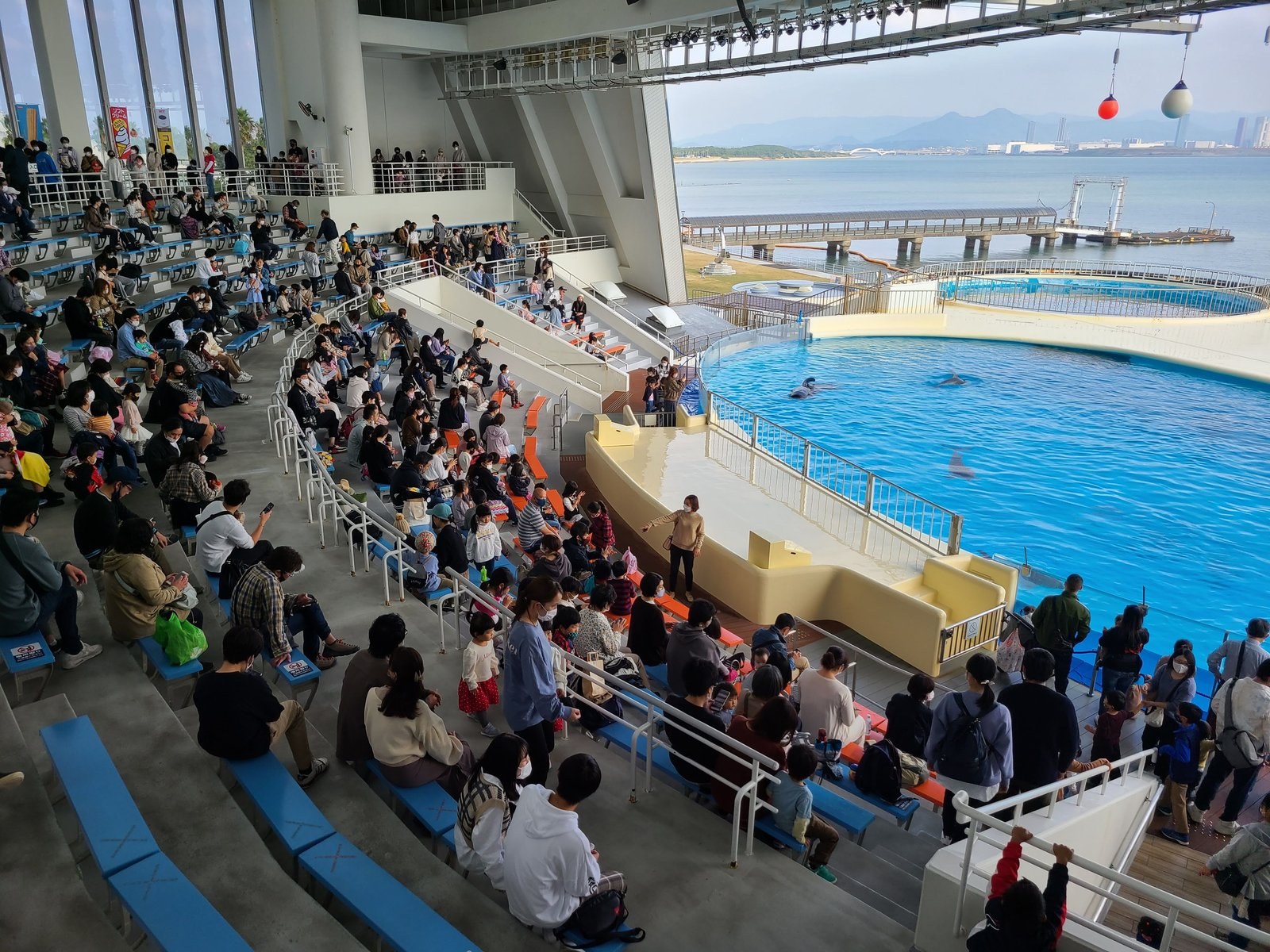
Kyushu receives a fraction of the international tourists that Tokyo, Kyoto, and Osaka see. That means shorter queues, quieter temple grounds, and actual space for your kids to run.
Even iconic spots like Beppu’s hot-spring “Hells” and Kumamoto Castle feel manageable in peak season — which is rarely true at Fushimi Inari or Senso-ji.
Nature kids can actually touch
This island has an active volcano you can drive high up onto (Mt. Aso) and steaming geothermal pools where toddlers can dip their feet on a chilly morning (Beppu).
Add black-sand beaches in Kagoshima and lush gorges with paved, stroller-doable trails at Takachiho in Miyazaki.
It’s hands-on geography rather than roped-off scenery, which makes a huge difference with under-10s.
Roughly 20–40% cheaper than Tokyo or Osaka
Hotels, family-sized restaurant meals, and ground transport in Kyushu cost noticeably less than the equivalent in mainland Japan.
A family-friendly ryokan with a private kashikiri onsen that runs ¥60,000/night near Hakone routinely costs ¥25,000–¥35,000 in Oita, Saga, or Kumamoto.
That gap funds a couple of extra activity days or a nicer last-night dinner. Compare Oita family ryokan rates on Agoda and you’ll see the difference for your own dates.
Shorter distances between highlights
Kyushu’s headline experiences are compact. Fukuoka to Beppu is 2 hours by limited express, and Kumamoto City to Mt. Aso is under an hour by car.
You can realistically cover three or four prefectures in a single week without exhausting your children — or yourselves.
For families who’ve already done the Tokyo–Kyoto route, or first-timers who want something more relaxed, Kyushu is the smarter play.
How Our Family Actually Travels Kyushu
A quick word on where this guide comes from. We live in Fukuoka — we moved here in 2021 — and our two kids, now 7 and 4, have done most of the places in this guide as weekend trips rather than once-in-a-lifetime vacations. The candid snapshots in this article are our own, taken on those trips.
Our pattern, refined through plenty of mistakes: one main activity per day, on the road by 9:00, and a car for anything beyond Fukuoka city. Trains here are excellent (and covered below), but a boot full of snacks and a guaranteed nap seat still win with a 4-year-old. For overnight stays we plan around ¥30,000–50,000 for a family room at an onsen ryokan with dinner included — less in cities, more for the famous names.
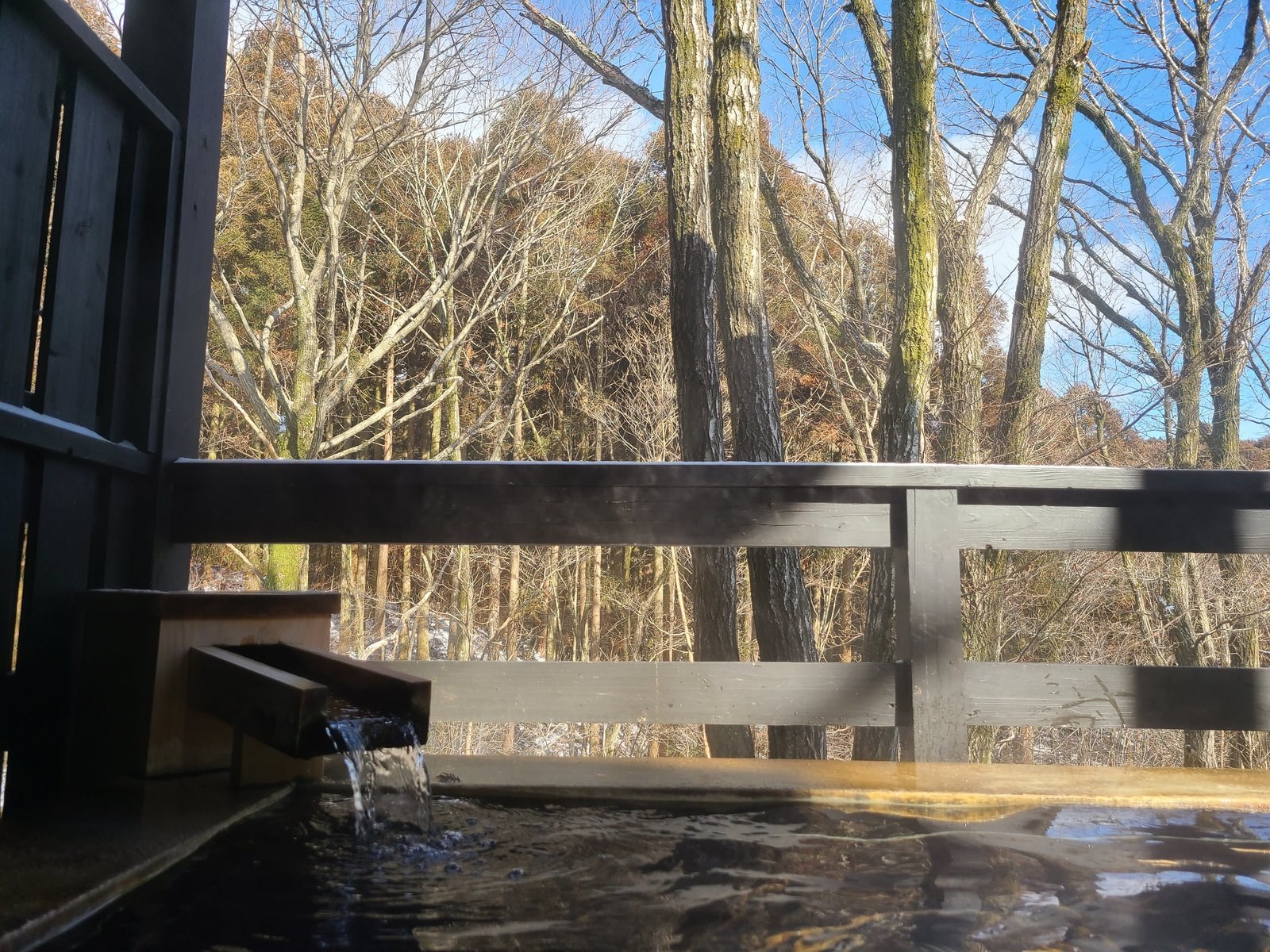
And where our experience is thin, we say so: southern Kyushu gets fewer of our weekends than Fukuoka, Oita and Kumamoto do. The advice below leans hardest on the places we keep going back to. Two moments that sum up what travelling here with kids is like: our Fukuoka-born 4-year-old meeting real, settling snow for the first time outside a ryokan in Aso last January — check-in was thoroughly ignored for twenty minutes — and our 7-year-old’s verdict on Kurokawa’s famous cave bath: “scary, but the good kind of scary.”
Best Time to Visit Kyushu with Kids
Kyushu’s climate is subtropical-to-temperate and noticeably milder than mainland Japan. Here’s a month-by-month look from a family perspective.
Spring (March–May) — our top pick for toddlers
- March: 10–15°C. Early cherry blossoms arrive in southern Kyushu before the rest of Japan. Great for outdoor parks and castle grounds, moderate crowds.
- April: Peak cherry blossom season across the island. Warm and pleasant (15–20°C). Parks are ideal for stroller naps. Slightly busier near Golden Week.
- May: Golden Week (early May) is the busiest domestic travel week — book well ahead and expect higher prices. Post-Golden Week is the sweet spot: warm, green, and empty. Late May brings the start of rainy season in southern Kyushu.
Summer (June–August) — water park weather, plan around the heat
- June: Rainy season (tsuyu). Humid and showery — not great for outdoor-heavy itineraries, but aquariums, museums, and malls work well. Stroller rain covers recommended. Hotels are noticeably cheaper.
- July: Rainy season ends mid-month, then summer heat hits (28–33°C). Great for Miyazaki and Kagoshima beaches. Plan outdoor time for mornings and evenings with toddlers.
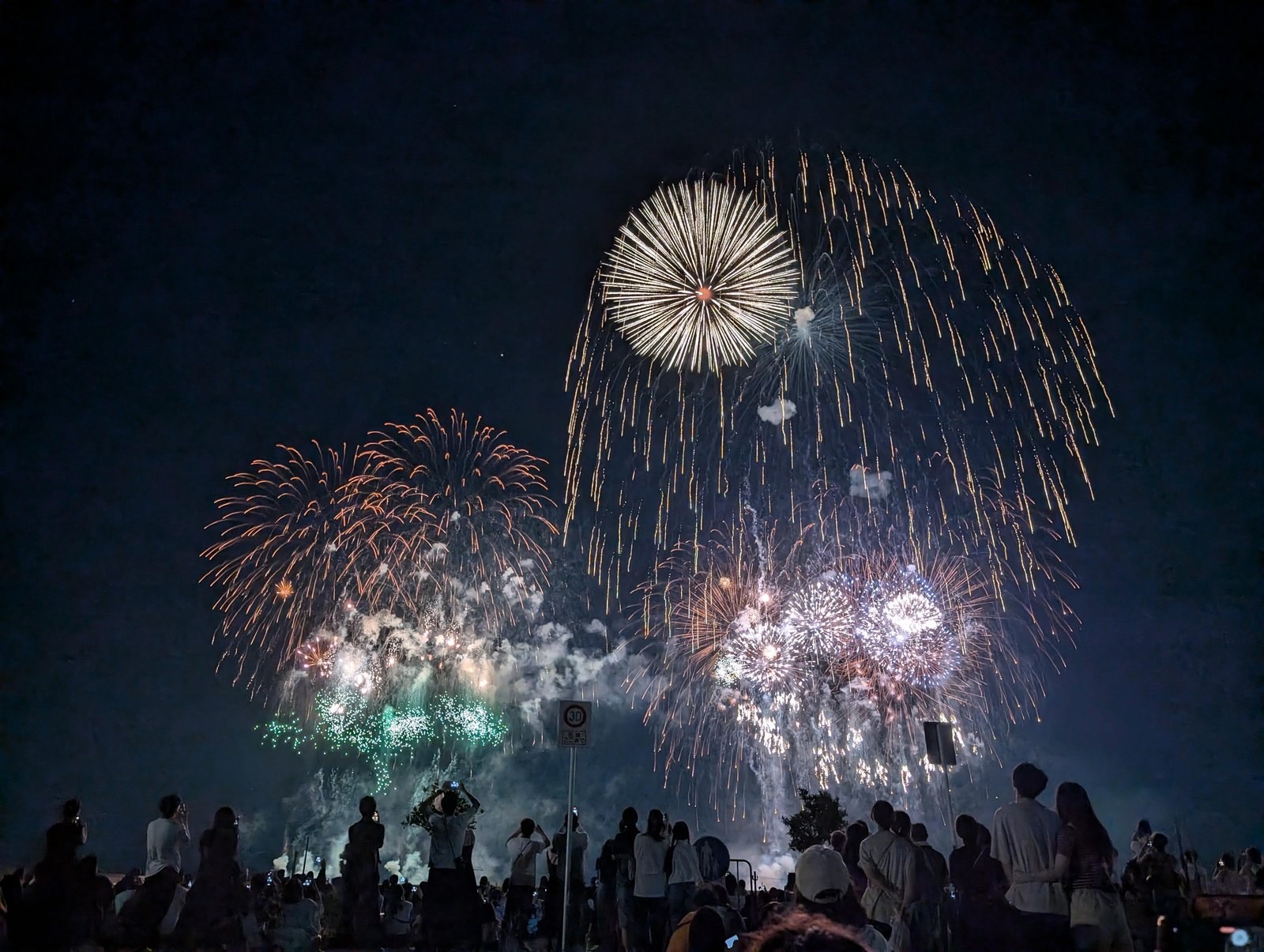
- August: Hot and humid (30–35°C). Peak domestic summer holiday. Beaches and water parks are crowded. Fireworks festivals are memorable but logistically heavy with babies. Air-conditioned malls become survival tools.
Autumn (September–November) — the other family sweet spot
- September: Typhoon season peaks — check forecasts and have flexible backup days. Crowds thin after mid-September. Good shoulder-season pricing.
- October: One of the easiest months to travel with kids. 18–24°C, autumn colors begin in Mt. Aso and Yufuin, low crowds, dry weather.
- November: Peak autumn foliage. 12–18°C. Dazaifu and Yufuin draw domestic visitors on weekends but remain manageable.
Winter (December–February) — quiet, cheap, onsen weather
- December: 6–12°C. Holiday illuminations in Fukuoka and Nagasaki are magical for kids. Hot-spring towns feel festive. Low tourist numbers outside the Christmas–New Year window.
- January: Cool and dry (5–10°C). Low crowds make it ideal for onsen visits in Beppu or Yufuin. Less heat stress for toddlers.
- February: Still cool. Plum blossoms start at Dazaifu Tenmangu. A quiet, easy month for family travel.
Our pick for families with toddlers: late March through April, or October through November. Mild weather, manageable crowds, and the most forgiving conditions for stroller travel and outdoor naps.
Getting To and Around Kyushu with Kids
Planning to travel by train?Save money with the JR Kyushu Rail Pass (3 or 5 Days).Flying in: Fukuoka is the easiest entry point
Fukuoka Airport (FUK) is one of the most family-friendly airports in Japan. It sits inside the city — two subway stops from Hakata Station and five from Tenjin.
That means you can be at your hotel less than 30 minutes after clearing immigration, which matters enormously with a jet-lagged toddler.
Direct international flights connect FUK to Seoul, Taipei, Hong Kong, Singapore, Bangkok, Manila, and several Chinese cities.
From Tokyo or Osaka, a 90-minute domestic flight gets you in, or the Shinkansen reaches Hakata Station in roughly 5 hours from Tokyo / 2.5 hours from Osaka.
Train vs. rental car: how to decide
Kyushu is one of the few regions in Japan where the train-vs-car decision is genuinely close, and the answer depends on your itinerary shape.
- Trains work best if: you’re sticking to the Fukuoka–Beppu–Kumamoto corridor, traveling with very young infants, or anxious about driving in Japan. JR Kyushu’s sightseeing trains (Yufuin no Mori, Aso Boy, A-Train) are an attraction in themselves for kids.
- A rental car shines if: you’re heading to Mt. Aso, the Aso–Kuju area, southern Miyazaki, the Kunisaki Peninsula, or anywhere off the JR map. For these regions, public transport with luggage and kids becomes painful fast.
If you’re torn, our breakdown in Do You Need a Rental Car for a Family Trip to Fukuoka? walks through the rules, parking, and car-seat logistics in detail — most of the advice extends to the rest of Kyushu.
Decided to drive? Compare Fukuoka rental cars with child seats — reserve the seats when you book, because they sell out on holiday weekends.
Kyushu by Region — Where to Go with Kids
 Top Things to Do in Fukuoka
 Instant confirmation for most tickets
Kyushu has seven prefectures, each with its own personality. You will not see all of them in one trip with young children, and you shouldn’t try.
Here’s how the seven compare at a glance, with travel times measured from Hakata Station in Fukuoka.
| Prefecture | Best for families | From Fukuoka (approx.) | Sweet-spot kid age | Nights we suggest |
|---|---|---|---|---|
| Fukuoka | Base city, parks, food, rainy-day backups | — | 0–12 | 2–3 |
| Oita (Beppu & Yufuin) | First onsen, steaming “Hells”, safari park | 2h limited express | 2–10 | 1–2 |
| Kumamoto & Mt. Aso | Castle, volcanic caldera, farm resort | 40 min Shinkansen | 3–12 | 1–2 |
| Nagasaki | Huis Ten Bosch, penguins, harbor history | 1h20 by train | 2–12 | 1–2 |
| Kagoshima | Sakurajima ferry, black-sand sand baths | 1h20 Shinkansen | 4–12 | 1–2 |
| Miyazaki | Beaches, palm coast, Takachiho Gorge | 3h15 by car / 4h30 highway bus | 4–12 | 2 |
| Saga | Pottery workshops, soft-water onsen | 40 min by train | 3–12 | 0–1 (day trip) |
Here’s what each prefecture is actually good for from a family perspective.
Fukuoka — the gateway and best home base
Fukuoka is the most convenient base for first-time families. It combines urban ease — compact subway, plentiful malls, family restaurants on every corner — with surprisingly green parks.
The food scene is built around Hakata ramen and yatai street stalls, and portions are easy to share with small eaters.
Ohori Park and Uminonakamichi Seaside Park give toddlers room to run, while Fukuoka Tower, Marine World aquarium tickets, and Canal City handle rainy days.
The subway is stroller-friendly and the airport is just two stops from the city center. Planning to base here? Compare family hotels in Fukuoka on Agoda.
Kumamoto & Mt. Aso — the wow-factor stop
Kumamoto delivers genuine spectacle. Kumamoto Castle is one of Japan’s most impressive — even young kids respond to the scale of the stone walls and open grounds.
The real star, though, is Mt. Aso — one of the world’s largest volcanic calderas at roughly 25 km north–south by 18 km east–west (second in Japan only to Hokkaido’s Kussharo). You can drive right up to the Kusasenri grasslands, where toddlers walk freely across open meadows below volcanic peaks.
The Nakadake crater itself is a different matter: access is governed by the volcanic alert level, and at Level 2 — where it stands as of September 2026 — nobody may go within about 1 km of the crater. Check the official Aso crater restriction page the morning you go, and treat Kusasenri as the plan rather than the backup.
Aso Farm Land, a family resort complex, has animal petting areas and dome-shaped cottages that kids love.
The full plan lives in The Ultimate Guide to Kumamoto with Kids: Nature, Volcanoes & History. Staying overnight near the castle or Mt. Aso? Browse family hotels in Kumamoto on Agoda.
Oita — Beppu, Yufuin, and the onsen capital
Oita is Kyushu’s hot-spring capital and a top pick for families who want their first onsen experience to be a soft landing.
Beppu’s “Hells” (jigoku) — colorful, steaming geothermal pools — are visually spectacular and easy to walk around with a stroller.
Nearby, African Safari Park tickets get kids feeding animals from a jungle bus, and Harmonyland (a Sanrio character park) is a toddler paradise.
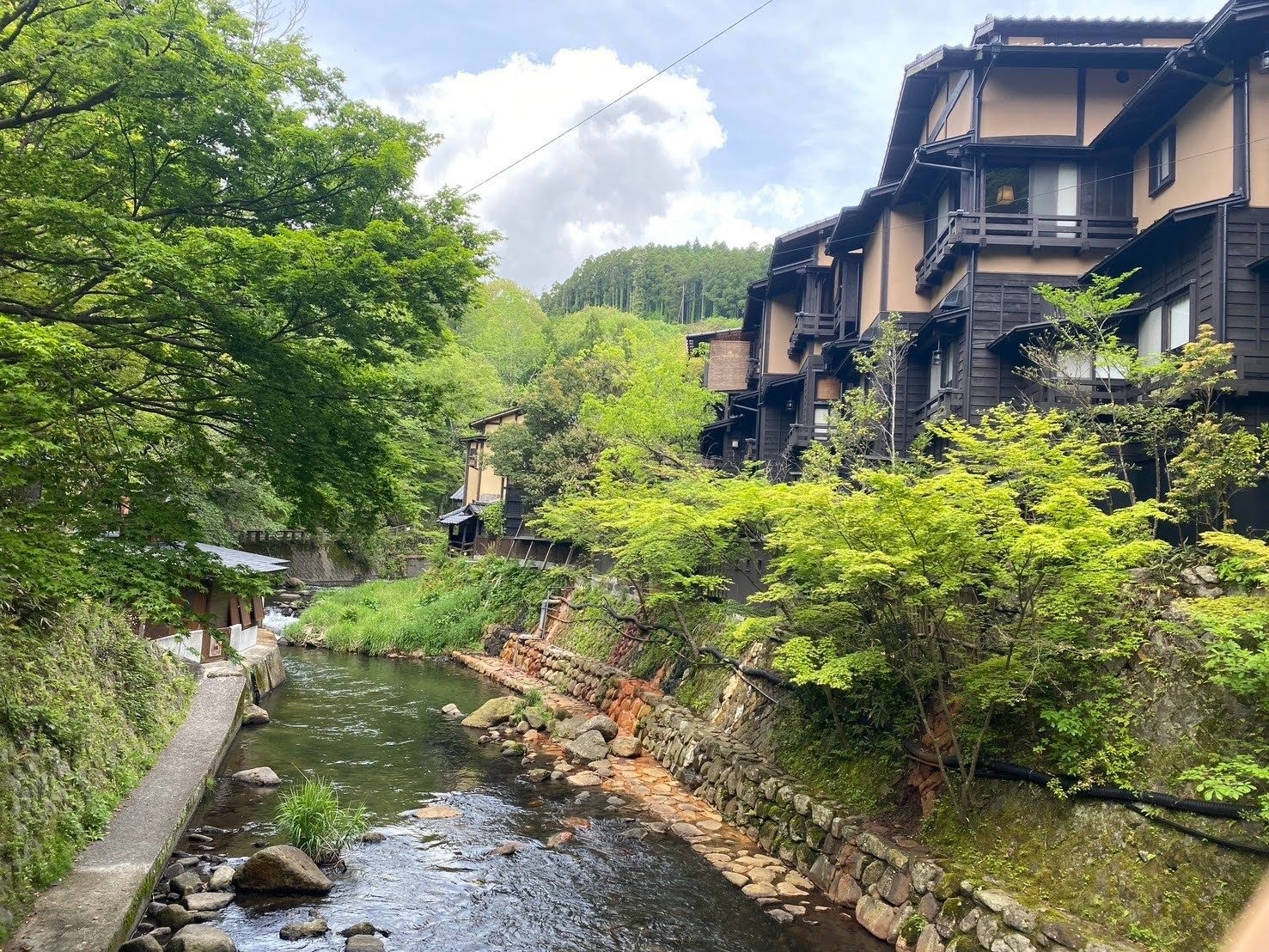
Yufuin, about 40 minutes inland by car (an hour by train), offers a quieter, more picturesque onsen town with boutique ryokans that welcome families.
New to hot springs with children? Our complete family onsen guide for Kyushu covers bathing rules, baby-friendly timing, and private-bath bookings. For Beppu itself, family hotels and onsen stays are easy to compare on Agoda.
Nagasaki — history, harbor views, and Huis Ten Bosch
Nagasaki blends heavy history with family-friendly fun better than most travelers expect. Older children get a lot from the Peace Park and Atomic Bomb Museum.
Younger kids prefer Glover Garden’s hilltop views, the Penguin Aquarium, and Huis Ten Bosch — a Dutch-themed park that’s basically a full day of bubble-blowing, canal boats, and seasonal illuminations.
Making a night of it? See family-friendly Nagasaki hotels on Agoda.
Kagoshima — volcano views and black-sand baths
Kagoshima City sits across a bay from Sakurajima, an active volcano that puffs ash into the sky most afternoons.
The 15-minute ferry over is itself an adventure, and the lava-field walking paths are flat and stroller-friendly.
Down the coast in Ibusuki, kids can get buried up to the neck in naturally heated black sand — bizarre, memorable, and very photogenic.
Ready to explore? Browse Sakurajima ferries and Kagoshima tours on Klook.
Miyazaki — beaches, palm trees, and Takachiho
Miyazaki is Kyushu’s beach prefecture. Aoshima Beach (with its surreal “Devil’s Washboard” rock formations) and the palm-lined Nichinan coast feel almost tropical.
Inland, Takachiho Gorge offers a moss-covered canyon and a nagashi sōmen lunch — noodles sent sliding down a flume of spring water at Chiho-no-Ie by the gorge entrance, which claims to be where the dish was invented (¥550 a portion, roughly 9:00–17:00).
The full regional plan is in The Ultimate Guide to Miyazaki with Kids: Sun, Sea & Myths, and if rowboat reservations are sold out (very common in 2026), the workaround is in Takachiho Without the Boat: A Family Backup Plan When Rowboats Are Sold Out.
Want it sorted in advance? Check Miyazaki day tours and tickets on Klook.
Saga — pottery, hot springs, and quiet day trips
Saga is the prefecture you probably haven’t heard of, and that’s exactly why it’s worth a half-day or an overnight.
Arita and Imari pottery villages run kid-friendly painting workshops, and the Yutoku Inari Shrine has the bright vermilion gates of Fushimi Inari without the crowds.
Ureshino is a soft-water onsen town with private family baths — check Ureshino ryokan availability on Agoda if you want a calm midweek onsen night. Curious about the day-trip version? See Saga pottery workshops and day trips on Klook.
Sample Family Itineraries
You don’t need to design a Kyushu itinerary from scratch. The patterns that actually work with kids are pretty predictable.
- 3–4 days: Fukuoka base + one day trip (Dazaifu, Itoshima, or Yanagawa). Good for first-timers and toddler-heavy families.
- 5 days: Fukuoka → Yufuin/Beppu → back to Fukuoka. Train-only, one hotel change, minimal stress.
- 7 days: Fukuoka → Beppu/Yufuin → Kumamoto/Aso → back to Fukuoka. The classic loop.
- 10+ days: Add Nagasaki or Kagoshima on the front or back.
The detailed plan we wrote for the 7-day version — with hotel suggestions, train timings, and where to break up days — is 7-Day Kyushu Family Itinerary: Fukuoka, Beppu, and Kumamoto by Train.
For shorter and longer variants, see Kyushu Family Itineraries: The Complete Guide to Planning Your 3 to 7-Day Trip.
Where to Stay with Kids in Kyushu
Four broad categories to know:
- City hotels (Fukuoka, Kumamoto, Kagoshima): the easiest option with babies — twin or triple rooms, Western beds, near restaurants and convenience stores.
- Onsen ryokan (Yufuin, Beppu, Kurokawa, Ureshino): the iconic Japanese experience. Look for ryokans with kashikiri (private) onsen so you don’t have to navigate gender-separated public baths with kids.
- Resort hotels (Phoenix Seagaia in Miyazaki, Aso Farm Land, Huis Ten Bosch hotels): good for multi-night stays where the property itself is the destination.
- Airport-area hotels: worth one night if your flight is very early or very late.
You don’t have to head deep into the mountains for that kashikiri experience, either.
There are several ryokans with private baths an hour from Fukuoka that make an easy first onsen night before you venture further into Kyushu.
Food Notes for Picky Eaters (and Adventurous Ones)
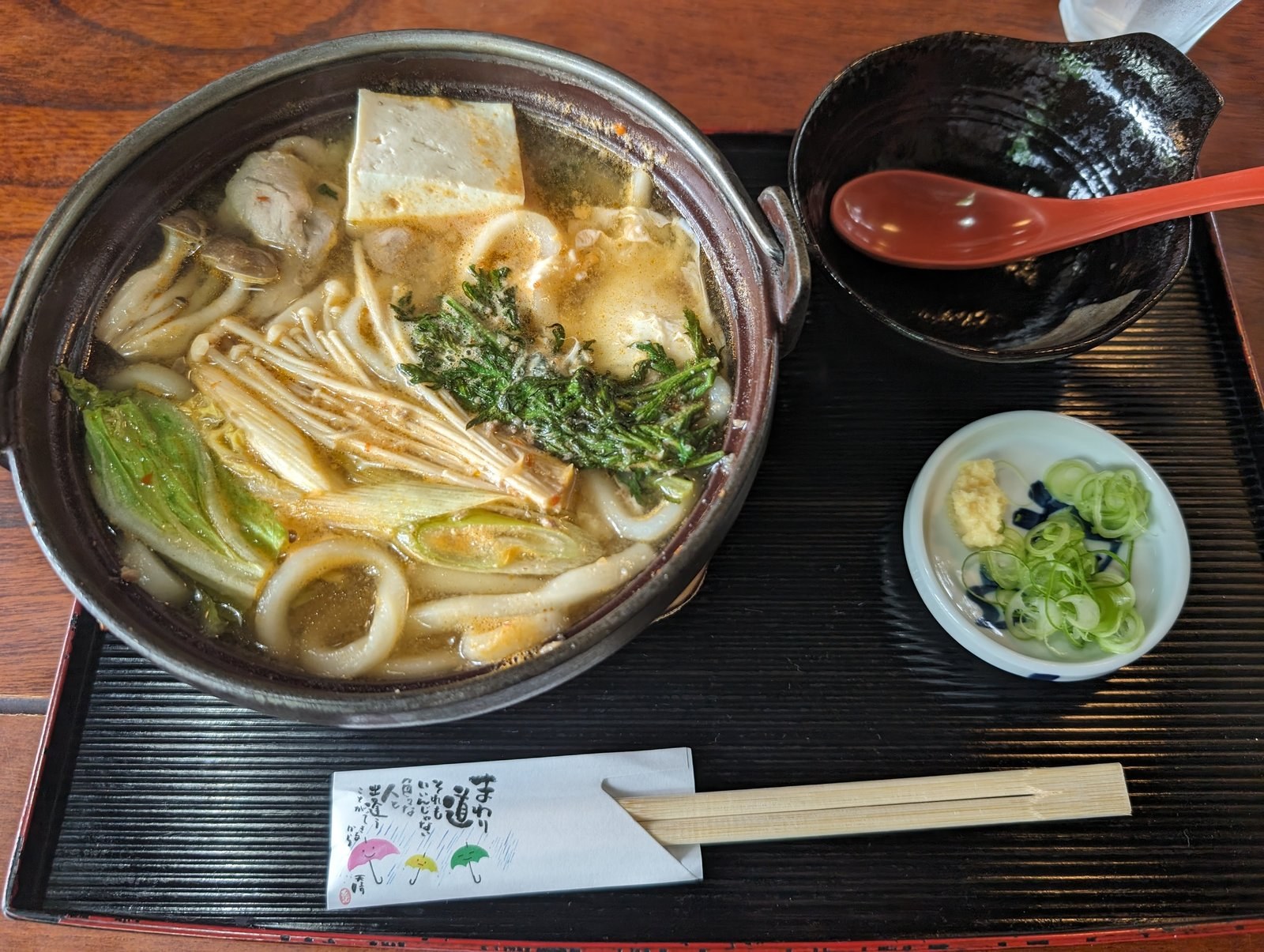
Kyushu’s food scene is one of its biggest selling points, and most of it is genuinely kid-friendly.
Hakata ramen comes in thin noodles that small kids can manage, and Kumamoto’s ikinari dango (sweet potato dumplings) tastes like a healthier doughnut.
Kagoshima’s shirokuma shaved ice is essentially a fruit-and-condensed-milk sundae the size of a child’s head, and Nagasaki’s champon is a milder noodle soup that even reluctant eaters tend to finish.
The one thing to watch is wasabi and karashi mustard in sushi and tonkatsu — always ask for “wasabi nuki” (no wasabi) for kids’ portions.
Practical Tips Other Guides Skip
- Diapers and baby food: Kyushu-based drugstore chains (Discount Drug Cosmos, Drug Eleven and Drug Store Mori) are everywhere and stock the major Japanese baby-food brands (Pigeon, Wakodo, Kewpie). Stocking up in Fukuoka before heading rural is a good idea.
- English-speaking doctors: Fukuoka, Kumamoto, and Nagasaki all have international clinics. For minor issues, most pharmacy chains have at least one English-speaking staff member during daytime hours.
- Stroller vs. carrier: Cities are stroller-friendly (subways have elevators, sidewalks are flat). Onsen towns, Mt. Aso, and Takachiho are not — bring a carrier if your child still naps in one.
- Cash vs. card: Major hotels, chain restaurants, and city attractions accept cards. Smaller onsen ryokan, rural restaurants, and taxis outside cities still often require cash. Carry ¥20,000–¥30,000 in cash as a buffer.
- SIM/Wi-Fi: Pocket Wi-Fi or an eSIM is essential — most rural areas have no English signage, so Google Maps and Google Translate are your lifelines. Pre-book an eSIM or pocket Wi-Fi for Fukuoka Airport pickup so you’re online before you reach the train.
Kyushu with Kids: Frequently Asked Questions
How many days do you need in Kyushu with kids?
Five to seven days is the sweet spot. Three to four days covers Fukuoka plus one day trip, five days adds Beppu or Yufuin, and seven days lets you loop Fukuoka → Beppu/Yufuin → Kumamoto/Aso while changing hotels only twice.
What is the best month to visit Kyushu with kids?
April and October are the easiest. Both sit around 15–24°C with low rainfall, comfortable stroller weather, and manageable crowds. Avoid Golden Week (early May), the mid-June to mid-July rainy season, and August, when 30–35°C heat limits outdoor time with toddlers.
Do we need a JR pass or a rental car?
Take the train if your trip stays on the Fukuoka–Beppu–Kumamoto corridor; a 3- or 5-day JR Kyushu Rail Pass usually pays for itself over two long legs. Rent a car if Mt. Aso, Kuju, or southern Miyazaki are on your list.
Can babies and young kids use onsen in Kyushu?
Yes — most public baths welcome children who are reliably out of diapers, and babies are fine in a private bath. Book a room with a kashikiri (private) onsen; our shortlist of family ryokans with private baths near Fukuoka is the easiest starting point.
Is Kyushu cheaper than Tokyo or Osaka for a family?
Usually by 20–40%. A family ryokan room with a private onsen runs ¥25,000–¥35,000 in Oita, Saga, or Kumamoto versus roughly ¥60,000 near Hakone, and city hotels, taxis, and restaurant sets follow the same pattern.
Which airport should we fly into?
Fukuoka (FUK) for almost every itinerary — it is two subway stops from Hakata Station, so you skip the long airport transfer that Tokyo and Osaka arrivals face. Kagoshima or Miyazaki only make sense if you are starting in southern Kyushu.
More Kyushu Family Stories
This guide is the overview. The detailed regional plans live in:
- The Ultimate Guide to Kumamoto with Kids: Nature, Volcanoes & History
- The Ultimate Guide to Miyazaki with Kids: Sun, Sea & Myths
- 7-Day Kyushu Family Itinerary: Fukuoka, Beppu, and Kumamoto by Train
- Kyushu Family Itineraries: The Complete Guide to Planning Your 3 to 7-Day Trip
- Takachiho Without the Boat: A Family Backup Plan When Rowboats Are Sold Out
- Do You Need a Rental Car for a Family Trip to Fukuoka?
 Where to Stay in Fukuoka
Not sure where to begin? This free guide helps you pick the right Kyushu trip for your family — from a Fukuoka family who actually lives here.
- ✅A simple “which trip suits us?” chooser — by days, ages & interests
- ✅Snapshots of all 7 prefectures — what’s actually worth it with kids
- ✅Instant PDF download — name your price (free), no spam
Onsen, rail, or a full itinerary? It points you to the right deep-dive guide.