
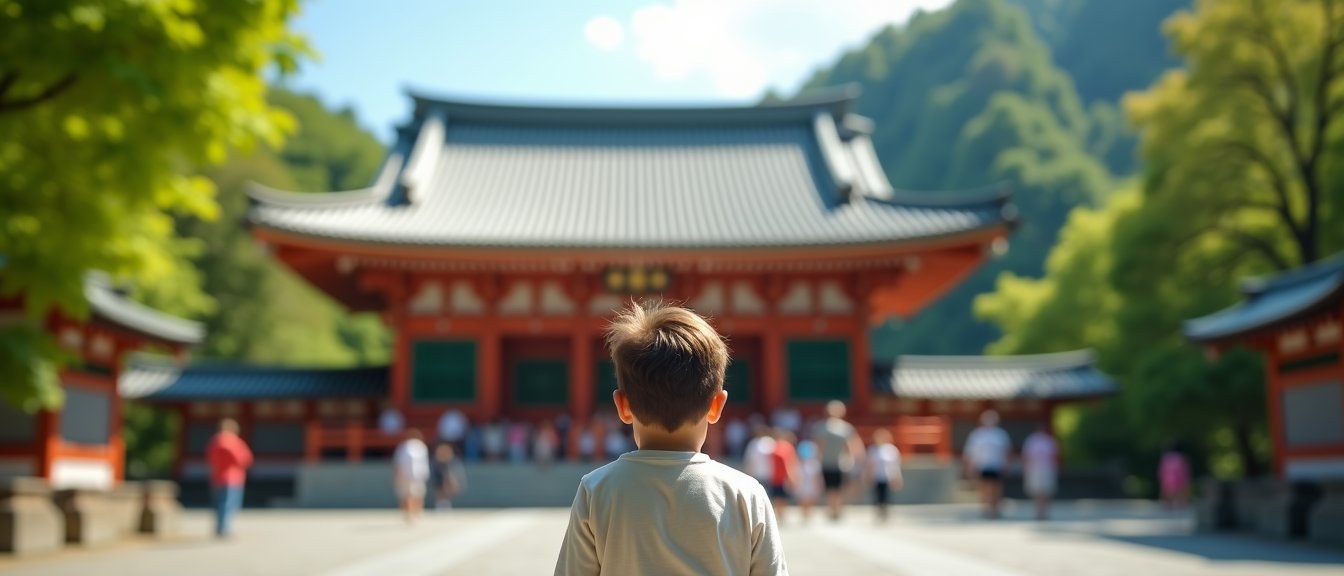
Dazaifu Tenmangu is widely considered one of the easiest and most rewarding cultural day trips for families staying in Fukuoka. It sits just 30–45 minutes from the city center.
The appeal is the balance: history, open space, child-friendly food, and unexpected play areas—including Dazaifu Amusement Park (Dazaifu Yuenchi), a retro amusement park right next to the shrine—all in one half day.
Quick Answer: Dazaifu Amusement Park & Shrine in One Half Day
Dazaifu Amusement Park is a small retro park attached to Dazaifu Tenmangu shrine, open roughly 10:30–16:30 on weekdays and 10:00–17:00 on weekends. Entry is about ¥600 for adults and ¥400 for children (3+), with rides at ¥300–500 each or a ¥2,700–3,000 one-day pass. No advance booking—tickets are sold at the gate. Pair it with the shrine and Kyushu National Museum for a 3–4 hour family outing from Fukuoka.
For parents, visiting shrines with young children can feel stressful. You worry about noise, crowds, or boredom.
Dazaifu is different. It is expansive, welcoming, and packed with small discoveries that keep children from preschool age to elementary school engaged.
Beyond the shrine itself, the area is home to that retro amusement park, a world-class museum with a free interactive kids’ zone, and a shopping street filled with characters kids know and love.
Whether you have a toddler in a stroller or an energetic 7-year-old, this guide will help you plan a stress-free half-day trip to Dazaifu.
The Restored Main Hall (Honden)
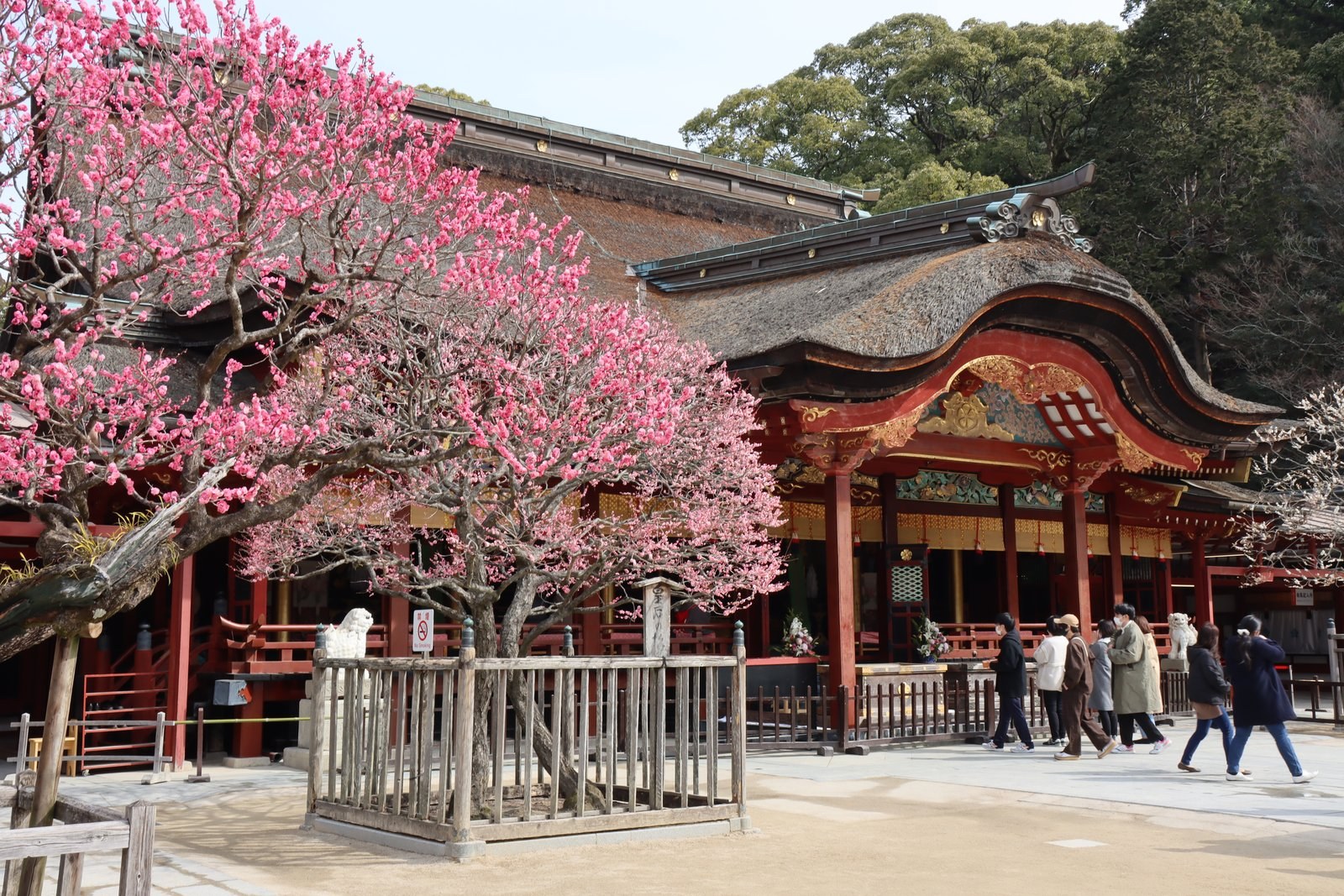
The heart of Dazaifu Tenmangu is the Honden (main hall), which enshrines Sugawara no Michizane, the deified scholar known as the God of Learning.
After a major restoration, the main hall is once again open to view in all its splendor—so the photos you take today show it freshly renewed.
The “Reiwa Restoration”: 124 Years in the Making
Between 2023 and 2026, the shrine carried out its first full restoration of the main hall in 124 years, known as the “Reiwa Restoration,” ahead of a major anniversary festival in 2027.
Skilled craftsmen re-laid the roof using the traditional hinoki (Japanese cypress) bark technique and refreshed the lacquer and ornamentation.
That work is now complete, so visitors can once again pray before the beautifully restored hall.
The Story of the “Floating Forest” Temporary Hall
While the main hall was being restored, the deity was temporarily enshrined in a remarkable temporary hall (kariden) designed by world-renowned architect Sou Fujimoto.
Its roof was planted with around 46 species of real trees and flowers—cherry, plum and more—creating the illusion of a “floating forest” hovering in the air.
This three-year-only structure welcomed worshippers from 2023 until spring 2026 and has now finished its role. It made headlines as a rare meeting of ancient tradition and cutting-edge design.
- For Kids: Tell them that, just a short while ago, a whole forest of trees and flowers grew on the rooftop right here—a fantasy-movie-like story that makes the shrine’s history feel alive.
- For Parents: A 124-year restoration means the main hall you see today looks the way it will for generations—a genuinely once-in-a-lifetime view of a freshly renewed national treasure.
The Ox Statues
Before you reach the main hall, you will see statues of oxen (cows). Legend says that if you rub the head of the ox, you will gain wisdom.
This is a fun, tactile tradition for children. You’ll often see kids lining up to pat the shiny metal nose of the ox statue—a simple activity that makes the culture feel accessible to them.
The Approach (Omotesando): Snacks & Character Shops
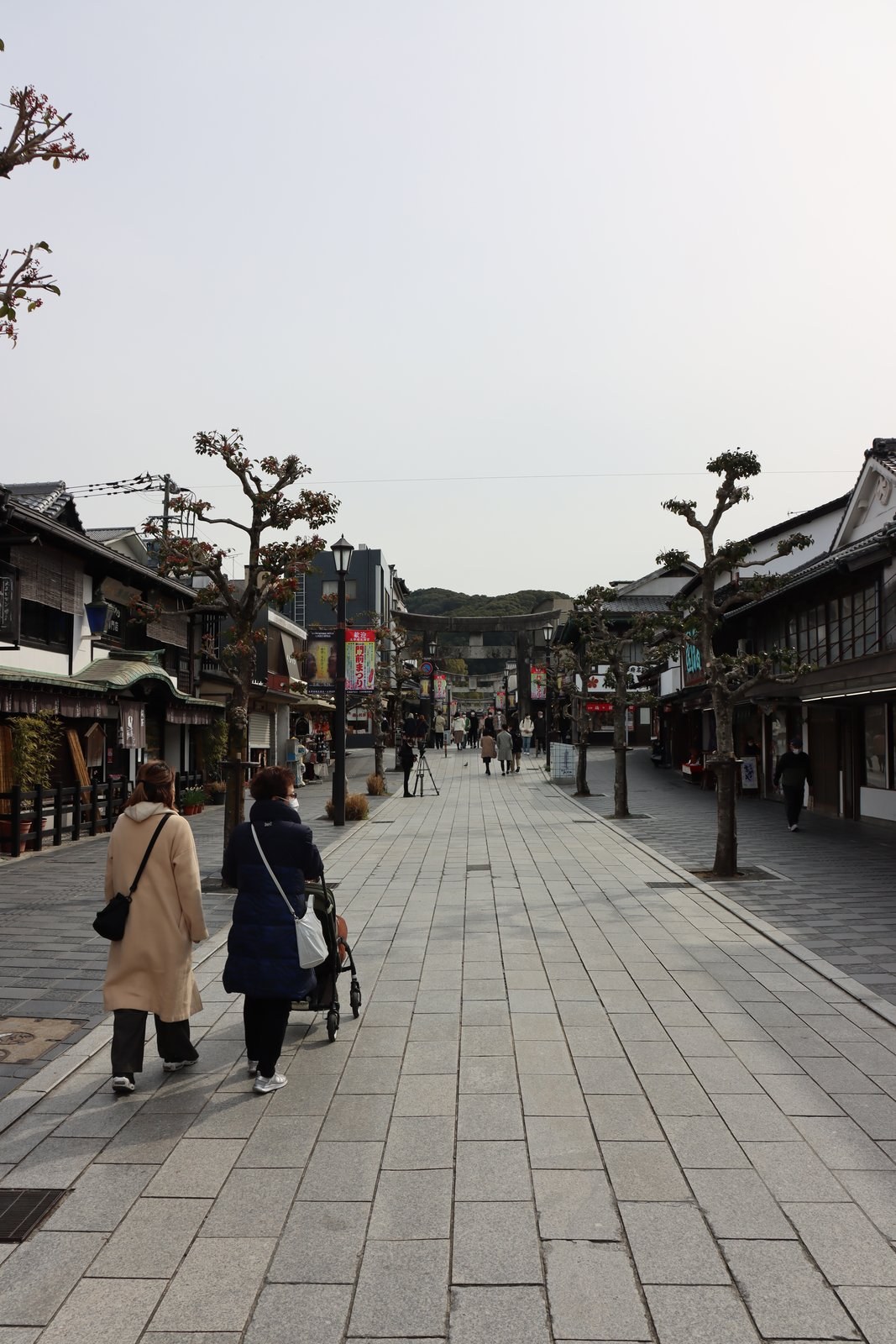
The long street leading up to the shrine (the Omotesando) is pedestrian-only and lined with shops.
While it can get crowded, it is paved and stroller-friendly. This is where the “culture trip” feels more like a fun outing for children.
1. Kid-Friendly Street Food
The most famous snack here is Umegae Mochi—a grilled rice cake filled with sweet red bean paste.
- Why it’s good for kids: It is served warm (but be careful, the inside can be hot!), soft, and easy to hold. It’s not messy to eat while walking.
- Strawberries: Dazaifu is famous for strawberry sweets, particularly the “Amaou” variety. Depending on the season, look for Ichigo Daifuku (huge strawberries wrapped in mochi) or strawberry skewers.
2. Character Shops
Surprisingly, this traditional street is a hub for character goods. You can use these shops as “waypoints” to keep kids motivated to walk.
- Donguri Kyowakoku (Ghibli Shop): A beautiful shop dedicated to Studio Ghibli movies like My Neighbor Totoro. There is often a large Totoro statue at the entrance for photos.
- Sumikko Gurashi Shop: Dedicated to the popular “corner characters,” this shop sells cute plushies and Dazaifu-exclusive items.
- Miffy Kitchen: A bakery and gift shop themed around Miffy, selling bread shaped like the character’s face.
If your kids love character worlds, the Sanrio Characters Harmonyland tickets in Oita make an easy add-on day later in the trip—that one does need booking, unlike Dazaifu.
If you are looking for a proper sit-down meal rather than just snacks, check out our guide on Family-Friendly Food in Fukuoka: Where to Eat Comfortably with Kids for tips on what to look for in local restaurants.
Dazaifu Amusement Park (Dazaifu Yuenchi): Hours, Prices & Rides
Many international tourists miss this entirely, but right next to the shrine (literally connected to the grounds) is Dazaifu Amusement Park (Dazaifu Yuenchi).
If your children are “shrine-d out” after 30 minutes, this small retro park is your lifesaver.
The park itself needs no reservation, but the bigger Fukuoka attractions you pair it with usually do. Browse bookable Fukuoka family attractions & day-trip tickets on Klook so the rest of your itinerary is locked in before you go.
Opening Hours, Entrance Fees & Tickets
One thing parents always ask first: do you need to book ahead? The short answer is no—tickets are bought on-site at the gate.
That means you can decide on the day depending on the weather and your kids’ energy. Here is a quick reference for planning.
| Detail | What to expect |
|---|---|
| Opening hours | Roughly 10:30–16:30 on weekdays and 10:00–17:00 on weekends and holidays; hours shorten in winter, so confirm the day’s schedule on the official site before you go. |
| Entrance fee | Around ¥600 for adults and ¥400 for children (ages 3+) just to enter the park; rides are charged separately. |
| Ride tickets | Single-ride tickets are about ¥300–500 each. If your kids want to ride everything, a one-day “free pass” (around ¥2,700–3,000) usually works out cheaper. |
| Best for | Toddlers to early elementary (ages 2–10). Many rides have no height or age minimum. |
| How to buy | On-site at the gate. No advance reservation needed—walk-ins only. |
| Time needed | 1–2 hours is plenty for most families; combined with the shrine it fills a 3–4 hour half day. |
Prices and hours are a planning guide only and change seasonally; always check the official park website for the latest before your visit.
What the Rides Are Like
- Retro Vibe: This park opened in 1957 and retains a charming, retro atmosphere. It is small, safe, and not overwhelming like major theme parks.
- Main Attractions: There are no terrifying thrill rides. Instead you’ll find a gentle roller coaster, a classic merry-go-round, sky cycles (pedal carts on an elevated rail), a small Ferris wheel, a mini train, and plenty of coin-operated rides for little ones.
- Indoor Play: There is an indoor wooden play area called “Toy Forest” (Omocha no Mori), which is perfect if the weather turns cold or rainy.
Tip: You don’t need to spend the whole day here. 1–2 hours is usually enough to let the kids burn off energy before heading back to the city.
Weekday mornings are the quietest; weekend afternoons see the longest lines at the popular rides.
Kyushu National Museum: The “Rainbow Tunnel” & Ajippa
A 10-minute walk from the shrine (accessible via a long escalator and moving walkway system) is the massive Kyushu National Museum.
Even if you aren’t planning to view the main history exhibits, it is worth a visit for two reasons:
- The Rainbow Tunnel: To get to the museum from the shrine, you take a long escalator through a tunnel that changes colors with neon lights. For toddlers and young kids, this “spaceship tunnel” is often the highlight of the trip.
- Ajippa (Interactive Zone): On the first floor, there is a free entry area called “Ajippa.” It is a hands-on cultural exchange zone designed specifically for children. They can play with toys from different Asian countries, try on traditional clothes, and bang on drums and instruments. It is a fantastic, climate-controlled space to relax for an hour.
If the museum day goes well and you want another indoor, kid-proof winner in Fukuoka, teamLab Forest Fukuoka tickets and Marine World Uminonakamichi aquarium tickets are the two that sell out first on weekends.
Practical Tips for Families
Getting There: Train vs. Bus
You have two main options to reach Dazaifu from Fukuoka City.
- Nishitetsu Train (Recommended): From Nishitetsu Fukuoka (Tenjin) Station, take the train to Dazaifu Station (transfer usually required at Futsukaichi, unless you catch a direct train).
- Why: Trains are punctual and have more space for strollers.
- The “Tabito” Train: Try to catch the special sightseeing train called “Tabito.” The interiors are decorated with Japanese patterns, and there is a card-stamping counter for kids in Car 3.
- For more on navigating trains, see Fukuoka Public Transportation with Kids: A Family Guide to Subways and Buses.
- Bus: There is a direct bus from the Hakata Bus Terminal.
- Why: Good if you are staying near Hakata and don’t want to transfer.
- Warning: The bus can get very crowded, and you may have to fold your stroller. Traffic can also cause delays on weekends.
If Dazaifu is only one stop on a wider Kyushu loop, a JR Kyushu Rail Pass is usually cheaper than point-to-point tickets once you add Beppu or Nagasaki. Staying overnight nearby instead? Compare family rooms in Fukuoka on Agoda—Tenjin and Hakata both put you within 40 minutes of Dazaifu.
Strollers and Nursing Rooms
- Strollers: The route from the station to the shrine and museum is entirely barrier-free. However, the gravel inside the shrine grounds can be a bit bumpy for small-wheeled strollers. See How to Get Around Fukuoka with a Stroller for more general advice.
- Nursing Rooms: There are nursing rooms and diaper changing stations available at the Kyushu National Museum (very clean and modern) and inside Dazaifu Amusement Park. The station also has accessible toilets.
Best Time to Visit
- Morning is best: Try to arrive by 9:30 AM or 10:00 AM. The street gets very crowded with tour groups by 11:00 AM, and the amusement park lines also build up after lunch.
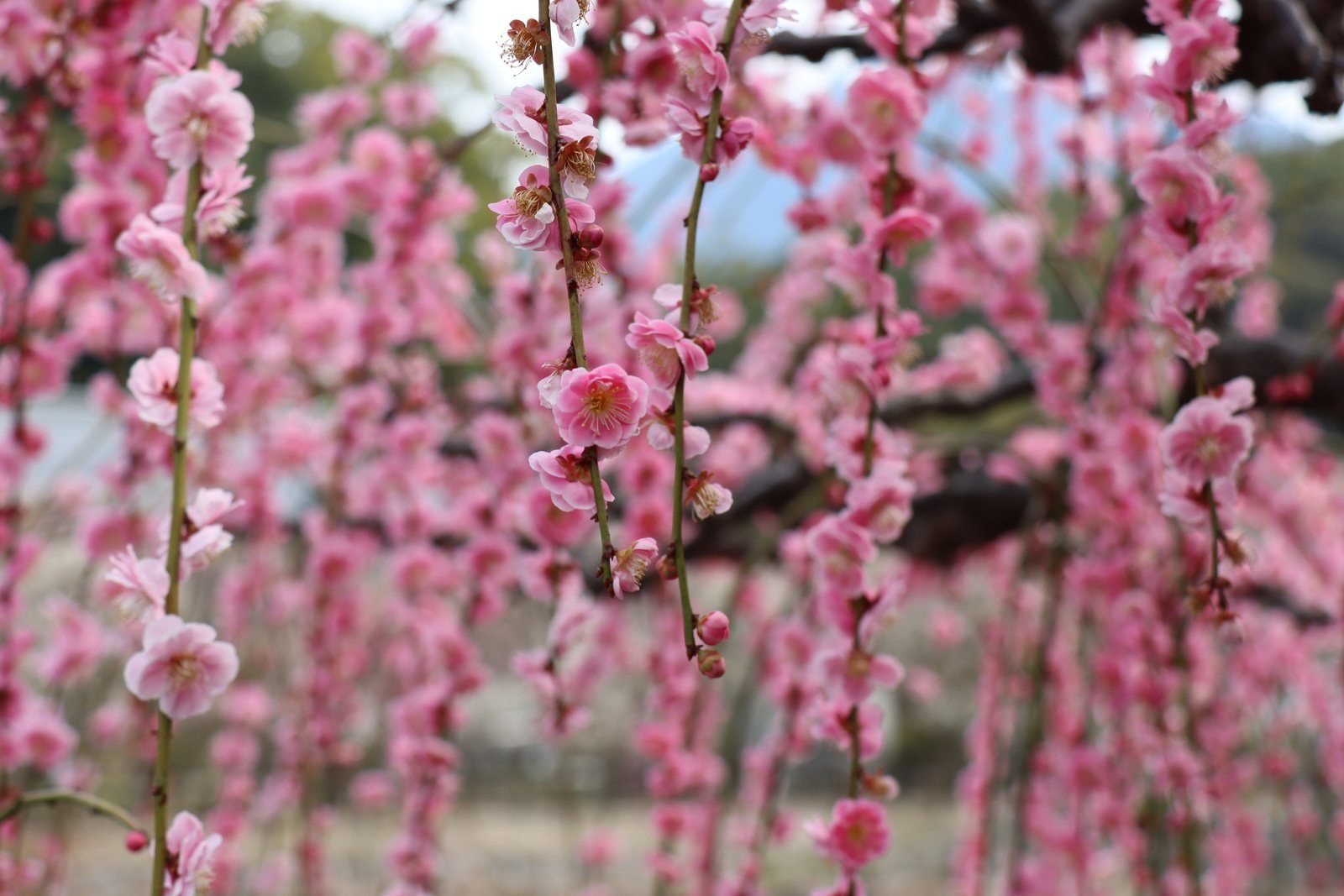
- Plum Blossoms: If you are visiting in late February or early March, the famous plum trees (ume) will be in bloom, which is beautiful but draws huge crowds.
- New Year: Dazaifu is one of the most popular spots for Hatsumode (first shrine visit). Expect massive lines in January. If you are visiting during this season, check Best Hatsumode Spots in Fukuoka: A Family New Year’s Guide for survival tips.
Sample Half-Day Itinerary (Morning)
- 09:30: Arrive at Dazaifu Station.
- 09:45: Walk up the Omotesando. Buy an Umegae Mochi to eat. Stop briefly at the Ghibli shop.
- 10:30: Explore the Shrine. Rub the Ox statue and see the beautifully restored main hall (honden).
- 11:15: Option A (Play): Go to Dazaifu Amusement Park for rides. Option B (Culture/Indoor): Take the “Rainbow Tunnel” to Kyushu National Museum and play in the “Ajippa” zone.
- 13:00: Head back to the station for a late lunch or return to Tenjin/Hakata.
Because Dazaifu only eats up a morning, most families slot a booked attraction into the same afternoon. Compare flexible Fukuoka tickets and family activities on Klook and reserve the ones that need advance booking.
FAQ: Dazaifu Amusement Park & Shrine with Kids
Do you need to book Dazaifu Amusement Park tickets in advance?
No. Entrance and ride tickets are sold at the gate on the day, with no online reservation system. Just show up during opening hours and pay on-site (cash is safest).
How much does Dazaifu Amusement Park cost for a family?
Budget roughly ¥600 per adult and ¥400 per child for entry. Add ¥300–500 per ride, or a ¥2,700–3,000 one-day pass per child if they plan to ride five or more times.
What ages is the park suitable for?
It suits toddlers through early elementary (about ages 2–10). Many rides have no height or age minimum, and there are no high-thrill coasters, so nervous younger kids do fine.
How long does Dazaifu Tenmangu plus the amusement park take?
Plan 3–4 hours total: about 45 minutes on the Omotesando, 45 minutes at the shrine, and 1–2 hours in the park. That leaves you back in Tenjin or Hakata by early afternoon.
Is the amusement park open in bad weather?
The park generally operates in light rain, and the indoor “Toy Forest” wooden play area works whatever the weather. Some outdoor rides pause in heavy rain or strong wind, so check the official site that morning.
What is there to do in Dazaifu besides the shrine and the park?
Kyushu National Museum (with the free Ajippa kids’ zone), the character shops on the approach, and nearby Kamado Shrine and the Dazaifu Government Office Ruins are all within a short ride or walk.
Dazaifu Tenmangu is more than just a history lesson; it’s a space where modern art, ancient tradition, and simple childhood fun overlap.
Whether you are there for the architecture or just to let the kids run in the amusement park, it remains a top choice for a stress-free family day out.
Related Guides
- Best Things to Do in Fukuoka with Kids: Top Attractions & Hidden Gems
- Fukuoka Public Transportation with Kids: A Family Guide to Subways and Buses
- How to Get Around Fukuoka with a Stroller
- Family-Friendly Food in Fukuoka: Where to Eat Comfortably with Kids
 Top Things to Do in Fukuoka
 Instant confirmation for most tickets
A relaxed, ready-to-use plan from a Fukuoka family who actually lives here — instant PDF, name your price (free).
- ✅A gentle day-by-day Fukuoka plan — ramen, parks, one easy day trip
- ✅Tap-to-open Google Maps for every stop, plus where to stay & family tips
- ✅Instant PDF download — no spam, yours to keep
Planning the whole island? The full 7-day Kyushu itinerary is inside.
Want the whole trip mapped out? This is our complete 7-day Kyushu loop, done for you — the exact route a Fukuoka family runs with their own kids.
- ✓Day-by-day plan — what to do, in what order, at a kid-friendly pace
- ✓Named hotels & booking links — where to sleep each night, no rabbit-holes
- ✓Packing & prep checklists — arrive sorted, not scrambling
Instant PDF · written by locals · hours of planning, done