
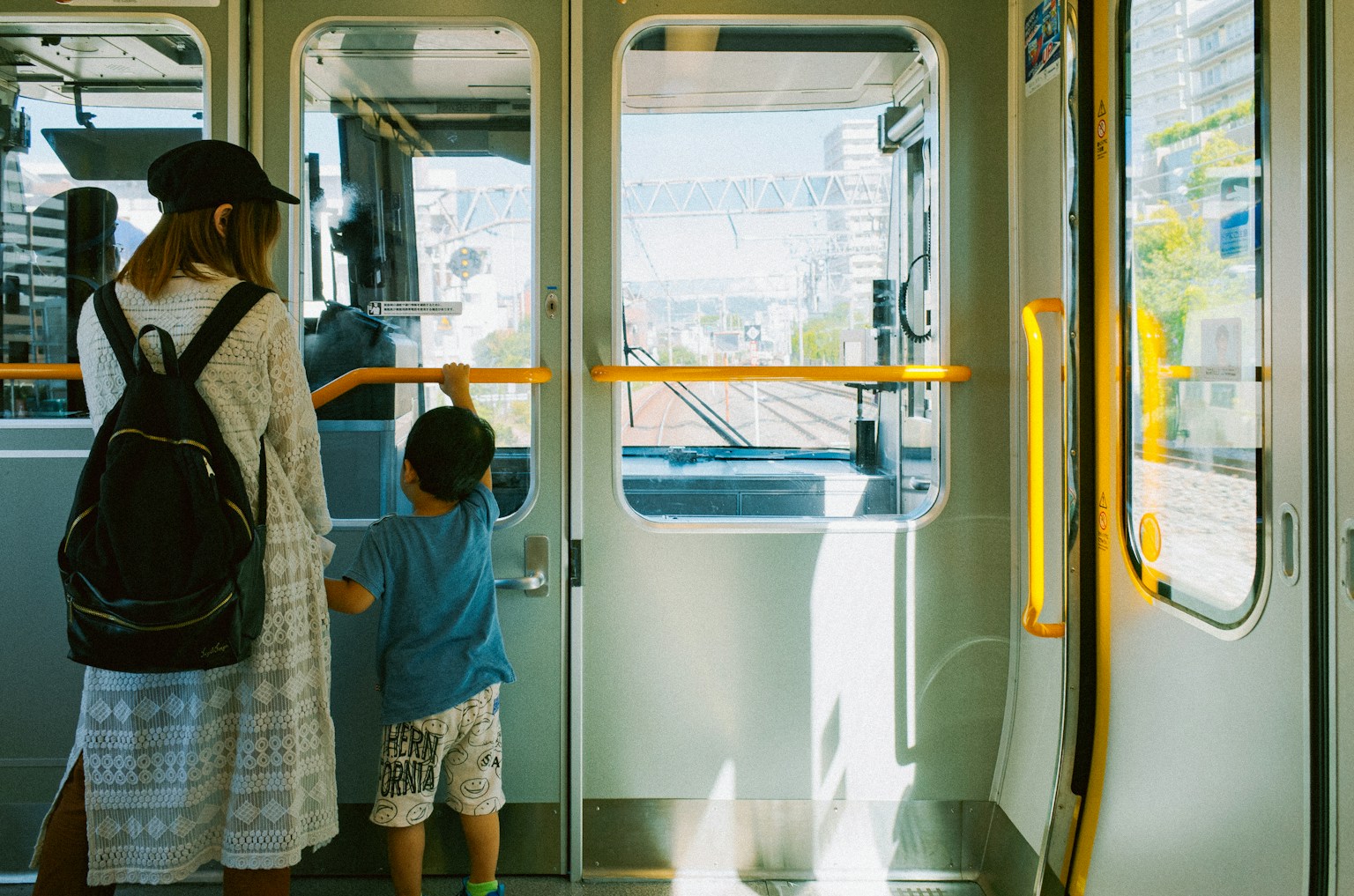
Landing at Fukuoka Airport with kids in tow is the moment your trip either eases into vacation mode — or starts with sweat, stairs, and a meltdown.
The good news: Fukuoka is one of the most family-friendly arrivals in Japan. The airport sits inside the city, the subway is genuinely 5 minutes from Hakata, and Tenjin is 11.
Taxis are affordable enough to use without guilt, too: roughly ¥1,000–1,500 from the Domestic Terminal to central Hakata, ¥1,500–3,000 from the International Terminal. (Fukuoka taxi meters were revised in July 2026, so treat every taxi figure here as an estimate, not a quote.)
The trick is matching the right option to your actual energy level, not the cheapest option on paper.
This guide walks you through every realistic route from both terminals to Hakata and Tenjin — with stroller, luggage, and tired-kid logistics built in.
 Stay Connected in JapanPre-book your SIM, eSIM, or Pocket WiFi for airport pickup.
Quick Answer: Fukuoka Airport to Hakata in 5 Minutes, Tenjin in 11 (¥260)
If you only have 30 seconds before boarding, here is the short version:
- Domestic Terminal → Hakata: Subway. 2 stops, ~5 minutes, ¥260.
- Domestic Terminal → Tenjin: Subway. ~11 minutes, ¥260. Taxi if you are arriving late or overloaded.
- International Terminal → Hakata: Taxi (~¥1,500–2,500) is the easiest. The direct Nishitetsu bus to Hakata Station Chikushi-guchi (¥400 adult, ¥380 if you tap an IC card or contactless credit card) is a solid budget alternative — note it is a cashless-only route.
- International Terminal → Tenjin: Taxi (~¥2,000–3,000) is almost always the lowest-stress choice with kids.
- Stroller, baby, or 3+ suitcases: Taxi usually saves more stress than it costs — even from the Domestic Terminal.
- Kids under 6: Preschoolers (age 1–5) ride the subway free with an accompanying guardian, with no cap on how many. Ages 6–11 pay half fare (¥130).
Still figuring out where to base your family? Read Best Areas to Stay in Fukuoka with Kids: Hakata vs Tenjin vs Momochi first — your neighborhood choice changes which route is actually fastest.
First: Check Which Terminal You Are Arriving At
This is the single biggest factor in whether your arrival feels smooth or chaotic — and many first-time visitors miss it.
- Domestic Terminal: Used for flights within Japan. The subway station (Fukuoka Airport Station) sits directly underneath. Elevator down, tap through the gate, you are on a train.
- International Terminal: Used for overseas arrivals. The subway does not stop here. You will need a shuttle, bus, or taxi to leave the airport.
If you booked an international flight and assumed you could just hop on the subway, plan ahead.
That single misunderstanding is what turns a “30-minute arrival” into “90 stressful minutes with cranky kids.”
Best Way to Reach Hakata with Kids
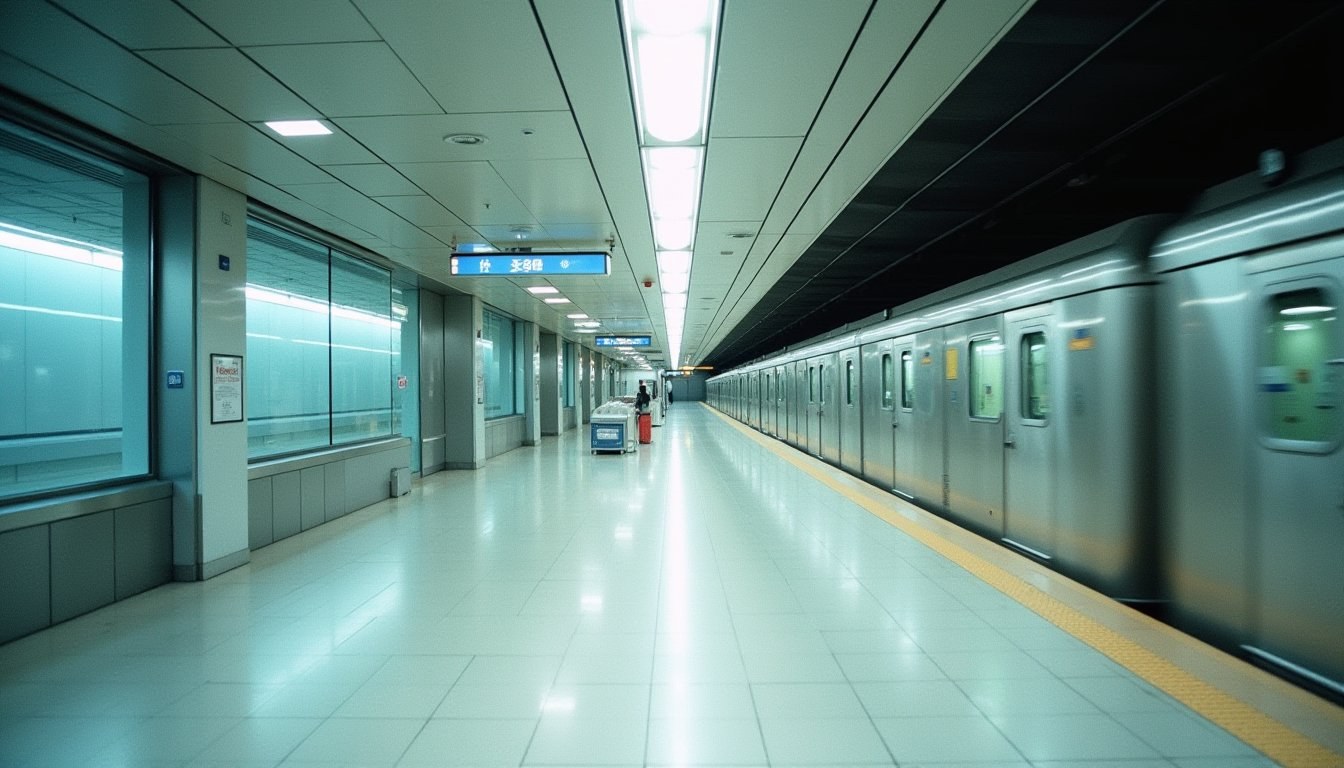
Hakata is the closest major area to the airport and almost always the simplest destination for families.
It is also the easiest base if you plan day trips by train around Kyushu, or want a short ride back to the airport on departure morning.
From the Domestic Terminal to Hakata (Easy Subway Ride, ¥260)
The subway wins for almost every family. Hakata Station is just two stops away on the Kuko Line, and the elevator from arrivals takes you straight to the gate.
- Travel time: ~5 minutes
- Cost: ¥260 per adult, free for children under 6
- Best for: Most families with manageable luggage
- Watch out for: Weekday rush hour (roughly 7:30–9:00 AM and 5:30–7:30 PM) and gate-tapping while juggling 3 suitcases
If you arrive in the middle of rush hour with kids already melting down, switch to a taxi from the Domestic Terminal rank.
The ride is short and runs roughly ¥1,000–1,500 to central Hakata (add about 20% between 10 PM and 5 AM for the late-night surcharge). Worth it on day one.
Planning to use the subway and buses throughout your stay? Set up an IC card the moment you arrive. The full walkthrough is in Using IC Cards in Fukuoka with Kids: Easy Transport for Family Travel.
From the International Terminal to Hakata (Taxi or Direct Bus)
If you arrive internationally, a taxi is usually the easiest choice. The ride takes 10–15 minutes and costs about ¥1,500–2,500 depending on traffic — no shuttle transfer, straight to your hotel door.
- Taxi: Easiest and lowest-stress; the rank is right outside arrivals.
- Direct bus (Nishitetsu): ~15–20 minutes to Hakata Station Chikushi-guchi, ¥400 per adult (¥380 with an IC card or contactless credit card). This route is cashless only — no coins or notes — so have a card ready. A reasonable choice if your kids are calm and luggage is compact.
- Free shuttle + subway: Cheapest, but adds a transfer with all your bags. Plan ~25–35 minutes total.
If easy station access is the main reason you are choosing Hakata, also browse Best Family Hotels in Hakata: Easy Stays for Kids, Trains, and Airport Access to lock in a hotel that makes day one and departure morning equally smooth.
→ Compare kid-friendly Hakata hotels with free cancellation on Agoda — filter by “near station” to pin down a property within a 2-minute roll of the Kuko Line, so this 5-minute subway ride actually ends at your door.
Best Way to Reach Tenjin with Kids
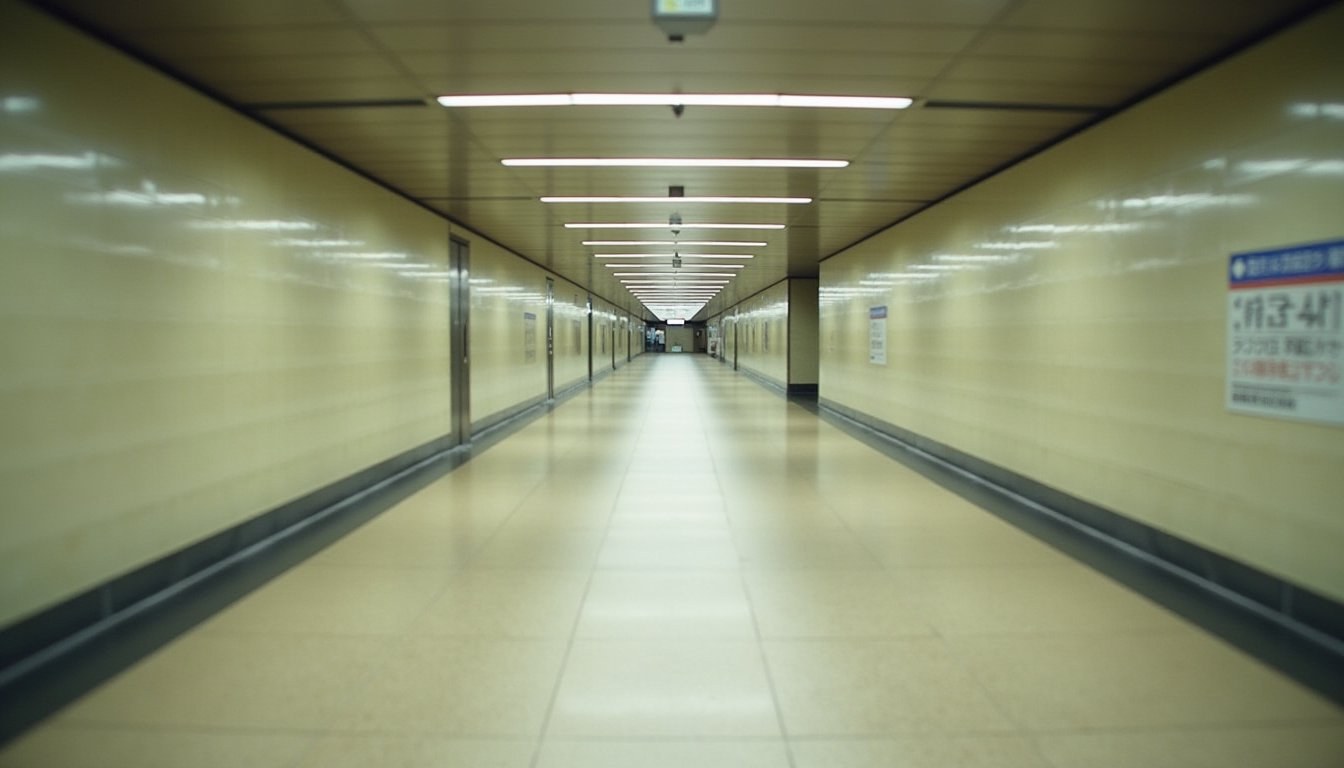
Tenjin is Fukuoka’s main shopping and dining district — still very reachable from the airport, but the underground corridors and exits are slightly longer than Hakata’s.
That makes it a touch less forgiving when everyone is exhausted, so pick your exit (and your hotel) carefully.
From the Domestic Terminal to Tenjin (11-Minute Subway Hop, ¥260)
The subway is still usually the right call. Tenjin Station is a few stops past Hakata on the same Kuko Line.
- Travel time: ~11 minutes
- Cost: ¥260 per adult
- Best for: Families with one stroller and manageable luggage
- Watch out for: Some Tenjin exits involve long underground corridors and stairs. If your hotel is not right next to the correct exit, expect 5–10 extra minutes of walking with bags.
For late arrivals, multiple suitcases, or families that just want a smooth first impression, take a taxi instead.
A taxi from the Domestic Terminal to Tenjin runs about ¥1,500–2,000 and takes ~15 minutes outside rush hour (closer to ¥2,000–2,400 after 10 PM).
From the International Terminal to Tenjin (Taxi Strongly Recommended)
For Tenjin stays, a taxi makes even more sense than it does for Hakata. The ride from the International Terminal costs roughly ¥2,000–3,000 and takes 15–20 minutes.
Nishitetsu also runs direct buses from the International Terminal to Tenjin. But with kids and luggage after a long-haul flight, paying for a single door-to-door ride is almost always worth it.
Wondering whether Tenjin is really the right base for your family? Pair this with Best Family Hotels in Tenjin: Easy Stays for Shopping, Food, and Day Trips before booking.
→ Check tonight’s family rates for Tenjin hotels on Agoda — look for properties tagged “Tenjin Station 3-min walk” so you skip those long underground corridors after the 11-minute ride.
International Terminal Transport Options: A Closer Look for Families
If you land internationally, you are not directly connected to the subway.
That is exactly why the International Terminal is where most families pick the wrong option for their actual energy level.
Here is every practical choice broken down for parents, plus a side-by-side comparison table to help you decide before the kids start melting.
Comparison Table: International Terminal → Central Fukuoka
| Option | Door-to-door time | Cost (adult) | Stroller-friendly? | Best for |
|---|---|---|---|---|
| Taxi | 10–20 min | ¥1,500–3,000 (daytime) / ¥1,800–3,600 (22:00–05:00) | Yes — driver loads trunk | Heavy luggage, sleepy kids, bad weather |
| Nishitetsu Direct Bus | 15–35 min | ¥400 to Hakata / ¥500 to Tenjin (¥380 / ¥480 by IC card) | Partial — fold to board | Calm kids, compact luggage |
| Free Shuttle + Subway | 25–40 min | ¥260 | Hard — fold twice | Light packers on a tight budget |
Real Walking Times We Clocked (April 2026 Arrival)
Official transfer estimates leave out the parts that actually slow families down.
Here is what the shuttle-to-subway route looked like in practice, door to gate, with a stroller and a 4-year-old:
- International arrivals exit → free shuttle stop: ~3 minutes to bus stop 5 just outside arrivals (the stop the airport itself signposts for the subway connection), mostly flat with curb cuts.
- Shuttle wait + ride to Domestic Terminal: 10–17 minutes depending on schedule — the ride itself is 10 minutes, and departures run every 5–7 minutes for most of the day, thinning to roughly every 10 minutes after 9 PM and every 15 minutes after 10 PM. The last shuttle leaves the International Terminal at 23:21.
- Domestic shuttle bay → subway gate: ~4 minutes. The shuttle drops you beside subway exits 1A/1B; if you are coming from inside the Domestic arrivals lobby instead, the south elevator or the Access Hall escalator takes you straight down to the gates on B2F (skip the central escalators — they get jammed with carry-ons).
- Total realistic shuttle + subway time to Hakata: 30–40 minutes door to gate, even though the subway portion itself really is just 5 minutes.
That gap between the “5-minute subway” headline and the actual 30+ minute experience is the single biggest reason international families end up frustrated.
If your kids will tolerate one transfer max, take a taxi.
1. Taxi (Best for Most Families with Strollers)
Fukuoka airport taxis do not carry the steep premium you might expect from Tokyo or Osaka — the airport is genuinely close to the city center.
- Best for: Heavy luggage, sleepy children, bad weather, late arrivals, or parents who just want the lowest-stress start
- Cost (daytime, 05:00–22:00): ¥1,500–3,000 to most Hakata or Tenjin hotels
- Cost (late night, 22:00–05:00): roughly 20% more — budget ¥1,800–3,600
- Time: 10–20 minutes depending on destination and traffic
- Stroller-friendly? Yes — the driver loads the trunk for you
The taxi rank is clearly signed outside arrivals — no booking needed. Standard Fukuoka taxis are metered, safe, and clean.
For more on car seat etiquette and when taxis are worth it on day-to-day outings, see Taxis in Fukuoka with Children: When They Make Sense for Family Travel.
Worried about a queue at the rank after a red-eye, or want a guaranteed English-speaking driver and child seat? Pre-book a fixed-price airport transfer instead.
→ Reserve a private Fukuoka Airport transfer on Klook — fixed fare, English-speaking driver, child seats available on request. Worth it for late-night arrivals or families with 3+ suitcases.
2. Direct Bus (Good Budget Alternative with Cooperative Kids)
Nishitetsu runs direct buses from the International Terminal to both Hakata Station and Tenjin. The Hakata run is an ordinary route bus to Hakata Station Chikushi-guchi; the Tenjin run is the non-stop Airport Express into the Nishitetsu Tenjin Highway Bus Terminal (stand 6). Either way it is a reasonable middle ground.
- Best for: Families with one stroller or compact luggage who want to save on taxi fare
- Cost: ¥400 per adult to Hakata Station (¥380 by IC card or contactless credit card; this route takes no cash). ¥500 per adult / ¥250 per child to Tenjin on the Airport Express (¥480 / ¥240 with an IC card), and the first infant per adult rides free unless they take a seat.
- Time: 15–25 minutes to Hakata, 25–35 minutes to Tenjin
- Watch out for: Limited luggage space at peak times — if the bus is full, you may need to wait for the next one. The Tenjin Airport Express does not accept most passes or commuter tickets either.
3. Free Shuttle + Subway (Cheapest, But Trickiest with Kids)
A free shuttle bus runs between the International and Domestic Terminals every 5–7 minutes through the day (about every 10–15 minutes after 9 PM, last departure 23:21 from the International Terminal). The ride takes 10 minutes, and from there you connect to the subway.
It is the cheapest route into the city, but also the most transfer-heavy.
- Best for: Budget-conscious families traveling light
- Cost: Free shuttle + ¥260 subway fare
- Time: 25–40 minutes total including waiting
- Watch out for: The shuttle requires folding your stroller to board. Combined with luggage and tired kids, this option often feels much longer than the estimated time.
Practical Tips for a Smooth Family Arrival
- Cash backup: Most taxis accept IC cards and credit cards now, but a few still prefer cash. Keep ¥5,000 in small bills for arrival day.
- Riding the subway more than twice that day? The Famichika ticket is ¥1,000 for up to two adults plus an unlimited number of elementary-age-or-younger children, all day on all three subway lines — usually the cheapest family answer. A plain 1-day pass is ¥640 (¥320 child), and simply tapping a contactless credit card caps that card at ¥640 a day with no ticket to buy.
- Stroller at the gate: If you gate-checked your stroller, it usually arrives at the jet bridge in Fukuoka — saving you the baggage claim wait.
- Bathroom before the ride: Use the airport restrooms (clean, with diaper tables) before you head to the subway or taxi rank. Trains do not have toilets.
- Set up data first: Arrange a SIM, eSIM, or pocket WiFi before arrival so map-checking and taxi-hailing apps work the second you land.
- Avoid 8 AM and 6 PM Mondays: If you can choose your inbound flight time, off-peak arrivals make the subway dramatically easier.
- Arriving in July? Hakata gets noticeably busier around the city’s biggest summer festival — if your dates overlap, skim the July Yamakasa floats viewing guide for families before locking in your hotel and airport transfer, since early-morning float routes can affect taxi access near Hakata Station.
FAQ: Fukuoka Airport to Hakata and Tenjin with Kids
How long does it take to get from Fukuoka Airport to Hakata Station?
From the Domestic Terminal, about 5 minutes — two stops on the Kuko subway line for ¥260.
From the International Terminal it is realistically 30–40 minutes door to gate via the free shuttle plus subway, or 10–15 minutes by taxi.
Is the taxi or the bus cheaper from Fukuoka Airport?
The bus is far cheaper: ¥400 per adult to Hakata (or ¥500 to Tenjin) versus roughly ¥1,500–3,000 for a taxi from the International Terminal.
But for a family of four, the taxi is often the better value — four bus fares plus a stroller fold and a transfer can cost nearly as much stress as it saves in yen.
Can I take the subway directly from the International Terminal?
No. The subway station only serves the Domestic Terminal. You must ride the free inter-terminal shuttle from bus stop 5 (every 5–7 minutes during the day, 10 minutes each way) first, which adds 15–25 minutes to the trip.
Do kids need a subway ticket in Fukuoka?
Preschoolers aged 1–5 ride free with an accompanying guardian, and there is no limit on how many. Ages 6–11 pay half fare — ¥130 on the airport-to-Hakata run. Age 12 and over pays the full ¥260.
Is the Fukuoka Airport subway stroller-friendly?
Yes. There is an elevator from the Domestic arrivals lobby down to the subway gates on B2F near the south end, and both Hakata and Tenjin stations have elevators to street level.
The tricky part is Tenjin’s long underground corridors — check which exit your hotel uses before you board.
How much is a taxi from Fukuoka Airport at night?
Late-night fares (roughly 22:00–05:00) run about 20% above the daytime meter. Budget ¥1,800–3,600 from the International Terminal to Hakata or Tenjin.
If you land after 22:00, a pre-booked fixed-price transfer removes both the queue and the surcharge guesswork.
Where to Next
Now that the airport-to-hotel logistics are sorted, build out the rest of your trip:
- Best Areas to Stay in Fukuoka with Kids: Hakata vs Tenjin vs Momochi
- Using IC Cards in Fukuoka with Kids: Easy Transport for Family Travel
- Taxis in Fukuoka with Children: When They Make Sense for Family Travel
Top Things to Do in Fukuoka Instant confirmation for most tickets
A relaxed, ready-to-use plan from a Fukuoka family who actually lives here — instant PDF, name your price (free).
- ✅A gentle day-by-day Fukuoka plan — ramen, parks, one easy day trip
- ✅Tap-to-open Google Maps for every stop, plus where to stay & family tips
- ✅Instant PDF download — no spam, yours to keep
Planning the whole island? The full 7-day Kyushu itinerary is inside.
Want the whole trip mapped out? This is our complete 7-day Kyushu loop, done for you — the exact route a Fukuoka family runs with their own kids.
- ✓Day-by-day plan — what to do, in what order, at a kid-friendly pace
- ✓Named hotels & booking links — where to sleep each night, no rabbit-holes
- ✓Packing & prep checklists — arrive sorted, not scrambling
Instant PDF · written by locals · hours of planning, done