

When families plan a trip to Kyushu, they often picture serene hot springs or bustling city shopping. But Oita has a wilder side.
Hidden in the hills of Usa City—just a short drive from the famous hot springs of Beppu—is one of the most exciting experiences for children in all of Japan: African Safari.
Officially the Kyushu Natural Zoological Park African Safari, this is not your typical zoo. It is a massive wildlife park where animals roam freely in large zones.
Here, humans are the ones in the “cages”—buses or cars. For parents traveling with animal-loving children, it is an absolute must-visit.
In this 2026 guide we break down everything you need to know: securing the coveted Jungle Bus tickets, comparing ticket packages and prices, and navigating the park stress-free.
This attraction is a major highlight of our broader regional guide, The Ultimate Guide to Oita with Kids: Hot Springs, Sanrio Characters, and Safari Adventures. Check that out for nearby accommodation and activity ideas.
What is African Safari?
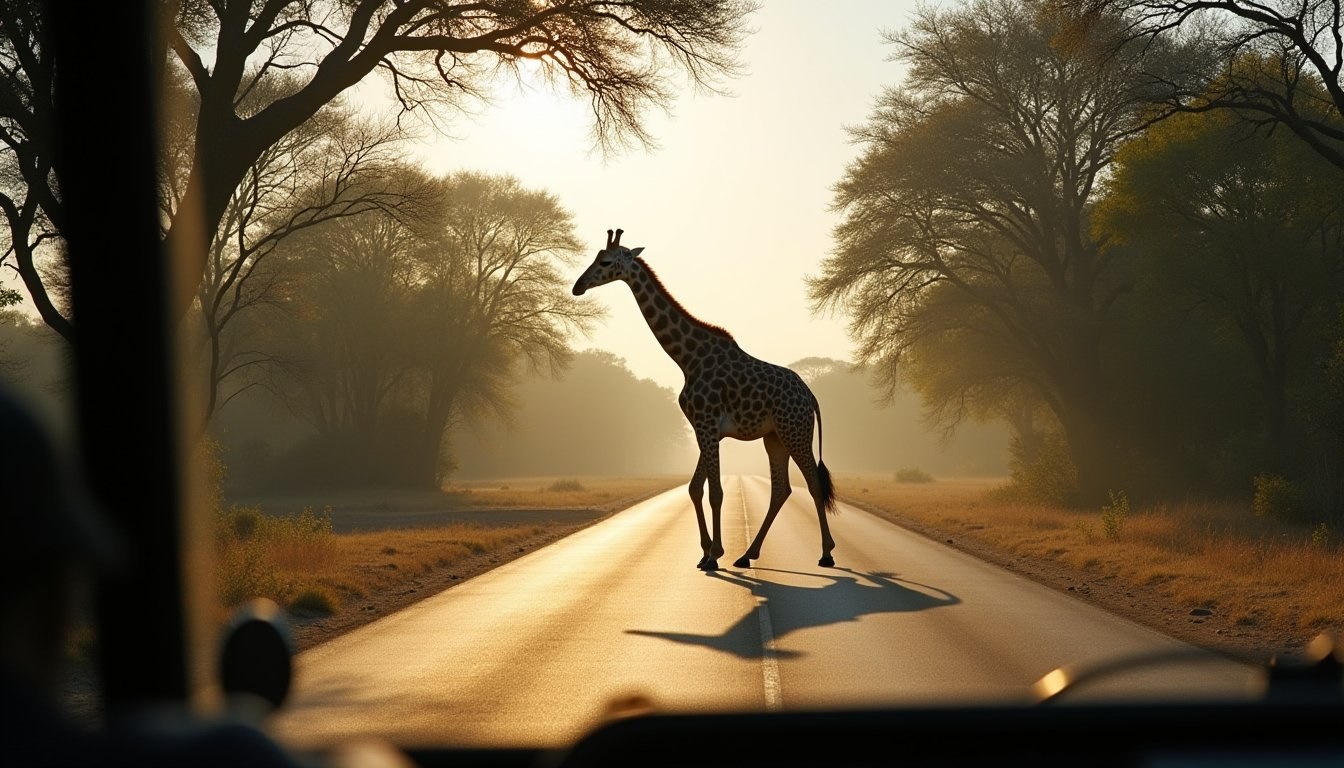
African Safari is the largest safari park in Western Japan. It is home to around 70 species and 1,400 animals.
It splits into two main sections. The Safari Zone is a 6-kilometer drive-through course, and the Contact Zone is a walk-through area where kids can pet smaller animals.
The real appeal is the proximity. Unlike traditional zoos where animals sleep at the back of an enclosure, the animals here come to you.
Lions, bears, elephants, giraffes, and cheetahs approach vehicles looking for food (if you are on the Jungle Bus) or simply cross the road in front of your rental car.
For families on a multi-day trip, this fits best when you are already staying in Beppu or Yufuin.
If you are following our 7-Day Kyushu Family Itinerary: Fukuoka, Beppu, and Kumamoto by Train, this is an easy day trip from your Beppu base.
The Jungle Bus Experience: Is It Worth It?
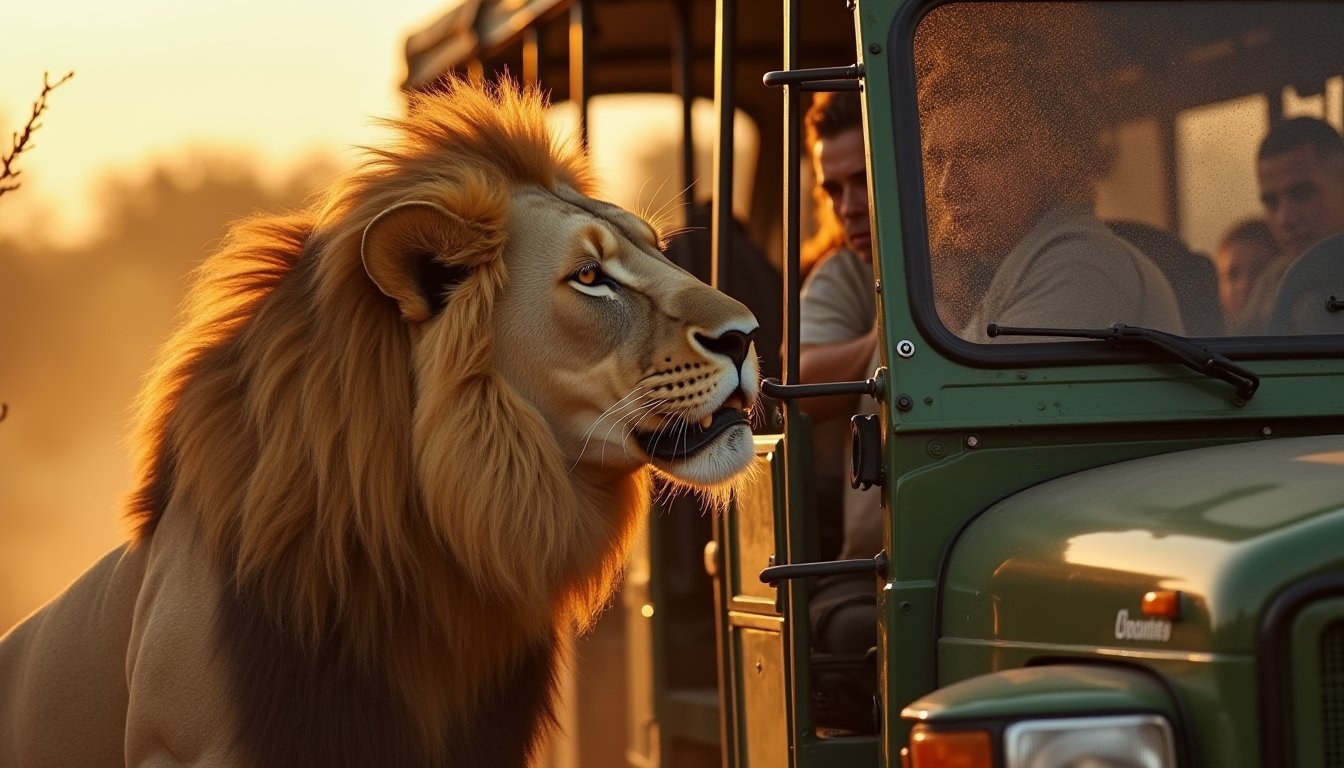
The highlight of African Safari is undoubtedly the “Jungle Bus.”
These are large buses designed to look like animals—rhinos, lions, tigers—with wire mesh sides instead of glass windows.
Why Kids Love It
The Jungle Bus offers a direct feeding experience. When you board, you are given a tray of food and a pair of long metal tongs.
The tray holds chunks of meat, carrots, and fruit pellets. As the bus drives through the zones, animals come right up to the mesh.
- Lions & Bears: You feed them raw meat. Hearing a lion crunch a bone inches from your face is a thrill your children will never forget.
- Elephants: You feed them carrots. They use their trunks to sniff out the food and take it gently from the tongs.
- Giraffes & Camels: You get to see their long eyelashes and tongues up close.
This is the moment your trip becomes the story your kids retell for years. Jungle Bus seats sell out fast on weekends, so check live African Safari ticket availability on Klook here before you go.
Ticket Strategy (Crucial!)
The Jungle Bus is incredibly popular, and same-day slots are limited.
Online reservations for individual travelers are often restricted to Japanese sites or sell out instantly, so plan your morning carefully.
- Arrive Early: On weekends and holidays, Jungle Bus time slots fill within an hour of opening. Aim to reach the park gate 30–45 minutes before opening.
- Book Immediately: Once inside, head straight to the ticket counter to secure your bus time.
- The Wait: You might book a slot for 2 hours later. That is fine—explore the Contact Zone (petting area) while you wait.
Jungle Bus vs. Your Own Car
If you have rented a car for your Kyushu trip, you can drive your own vehicle through the Safari Zone.
For advice on driving in the region, see our guide Do You Need a Rental Car for a Family Trip to Fukuoka?
- Pros: It is cheaper (no bus fee), you go at your own pace, and it is private—great for crying toddlers or nursing babies.
- Cons: You cannot open your windows, and you cannot feed the animals. You are strictly observing.
- Our Verdict: Do the Jungle Bus first for the excitement. If the kids want more, drive your rental car through the course afterward—you can usually loop as many times as you like on the entrance fee.
How Much Does It Cost? Ticket & Package Comparison
The big question for the keyword “best vacation packages” is simple: which ticket combination gives your family the most for your money?
Here is how the three main options compare for a typical family visiting from a Beppu base.
| Package | What’s included | Approx. price (adult / child 4–15) | Best for |
|---|---|---|---|
| Drive-through only (own/rental car) | Park admission, self-drive Safari Zone + Contact Zone | ~¥2,600 / ~¥1,500 | Budget families with a car who just want to observe |
| Jungle Bus package | Park admission plus the Jungle Bus feeding ride | ~¥2,600 + ~¥1,300 bus / ~¥1,500 + ~¥1,100 bus | First-timers and kids who want the hands-on feeding thrill |
| Kamenoi Bus set (from Beppu Station) | Round-trip highway bus plus discounted park admission | Bundled set fare—ask at Beppu Station info center | Families without a car, traveling car-free by train + bus |
Toddlers aged 3 and under are generally free for admission. Prices are 2026 guideline figures and can change, so confirm current rates at the gate or on the official site.
If you would rather lock in the experience before you arrive, compare African Safari ticket and day-tour packages on Klook. For a car-free trip, the Kamenoi Bus + admission set is usually the best value.
The Contact Zone: Hands-On Fun
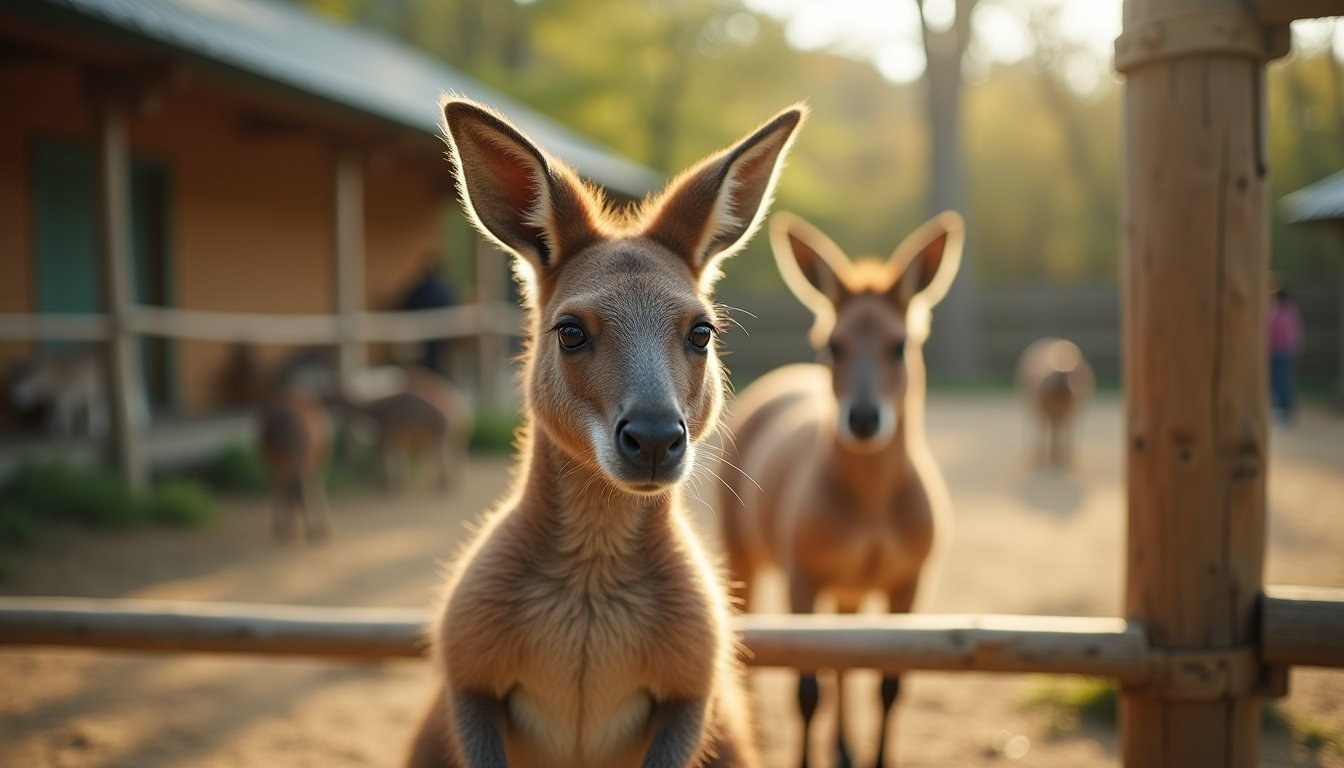
While waiting for your Jungle Bus slot, or after the tour, the walk-through area offers a more relaxed pace.
- Petting Zoo: Pet kangaroos (yes, they hop right around you), miniature horses, and guinea pigs.
- Cat & Dog Salons: Indoor “houses” filled with specific breeds. There is a small extra fee, but for kids missing their pets, 20 minutes cuddling a calm cat is very comforting.
- Miniature Horses: Pony rides are available—check age and height restrictions on the day.
Logistics: Getting There and Discounts
African Safari sits in a mountainous area, making access slightly tricky without a car—but it is manageable.
Access from Beppu
- By Bus: The Kamenoi Bus runs from Beppu Station (West Exit) to African Safari. The ride takes about 50 minutes.
- Discount Tip: Look for the “Monkey Marine Safari” bus pass or round-trip sets at the Beppu Station tourist information center. These bundle the round-trip fare with park admission and save a significant amount.
Access by Car
- If you are driving, it is about a 25-minute drive from the Beppu IC (Interchange).
- Navigation: Enter the phone number 0978-48-2331 into your car’s GPS.
Admission Discounts
- Credit Cards: Members of certain Japanese auto clubs (JAF) or specific card holders can show them at the booth to check for discounts.
- Convenience Stores: Before heading up the mountain, stop at a Lawson or 7-Eleven. Their ticket terminals often sell advance tickets slightly cheaper than the gate price.
- Online: Check Klook or other activity sites, though availability fluctuates.
Practical Tips for Parents
To ensure a smooth day out at African Safari, keep these tips in mind.
- Weather Matters: The park is in the highlands and can be noticeably cooler than Beppu city. Bring layers, even in late spring or early autumn. If it rains, the Jungle Bus still runs (it has a roof and plastic flaps), but the Contact Zone is harder to enjoy.
- Food: On-site restaurants serve curry (often shaped like animals!) and burgers. Lines can be long on busy weekends, so pack a bento or snacks for hungry toddlers.
- Strollers: Strollers are fine in the Contact Zone, but you must park them in designated areas before boarding the Jungle Bus.
- Toilets: Plenty of restrooms and a nursing room sit in the main complex near the Jungle Bus station.
- Timing: Plan a stay of about 3 to 4 hours. This covers the bus ride, lunch, and the petting zones.
When to Visit: Crowd Calendar
Timing your visit is half the battle for securing a Jungle Bus seat.
- Weekday mornings: The easiest time. Walk-up Jungle Bus slots are usually available even an hour after opening.
- Weekends & school holidays: Slots can sell out within the first hour. Arrive before the gate opens.
- Golden Week & Obon (late Apr–early May, mid-Aug): Peak crowds. Pre-book a package and arrive 45 minutes early.
- Going this weekend? Reserve a car-free Beppu base early—family rooms near the station book out fast in high season. Compare Beppu family hotels on Agoda before they fill.
Combining the Trip
African Safari is rarely a standalone destination; it is usually part of a wider Oita exploration.
Most families pair it with the “Hells of Beppu” (steaming hot-spring pools for viewing) or a stay in a traditional ryokan.
If you are planning a longer Kyushu route, the animals here contrast beautifully with the cultural and historical stops elsewhere.
For ideas on structuring your week, our Kyushu Family Itineraries: The Complete Guide to Planning Your 3 to 7-Day Trip offers excellent templates for balancing adventure and relaxation.
Starting from the main hub of Kyushu? Prepare for the first leg by reading Fukuoka with Kids: The Ultimate Travel Guide (Food, Transport, Tips).
Frequently Asked Questions
Can you book the Jungle Bus online in advance?
Advance online booking for individual travelers is limited and often Japanese-only. Most families buy at the gate on arrival, or book a guided day-tour package that includes a reserved slot.
How much is admission to African Safari?
As a 2026 guideline, admission is roughly ¥2,600 for adults and ¥1,500 for children (4–15), with under-3s free. The Jungle Bus is an add-on of around ¥1,300 adult / ¥1,100 child. Confirm current rates before you go.
Is African Safari worth it without a car?
Yes. The Kamenoi Bus from Beppu Station bundles round-trip transport with discounted admission, making it an easy car-free day trip in about 50 minutes each way.
Final Thoughts
African Safari in Oita offers a level of interaction that is hard to find in Western zoos.
The Jungle Bus experience—feeling the breath of a lion and the wet nose of a camel—is something your children will talk about long after the trip ends.
It takes a little planning around bus tickets and transport. But the payoff is a high-energy, unforgettable adventure in the heart of Kyushu nature.
 Oita & Beppu: Hot Springs & Fun
Not sure where to begin? This free guide helps you pick the right Kyushu trip for your family — from a Fukuoka family who actually lives here.
- ✅A simple “which trip suits us?” chooser — by days, ages & interests
- ✅Snapshots of all 7 prefectures — what’s actually worth it with kids
- ✅Instant PDF download — name your price (free), no spam
Onsen, rail, or a full itinerary? It points you to the right deep-dive guide.