
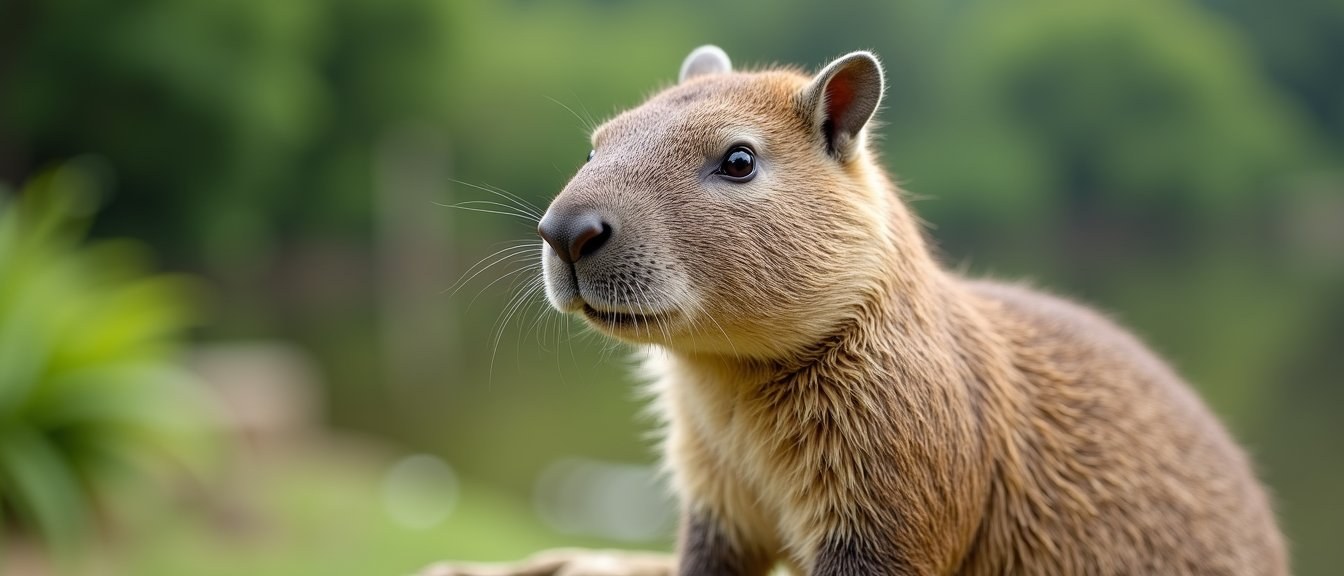
If you have ever seen a video of blissful capybaras soaking in a hot bath with citrus fruits bobbing around them, chances are you were watching footage from Nagasaki Bio Park.
It is one of the most iconic images of Kyushu travel, and it draws families from all over the world.
However, for parents planning a trip to Japan with toddlers or younger children, the concept of a “Bio Park” can be a little daunting.
Unlike a traditional zoo where animals sit safely behind glass or moats, Nagasaki Bio Park is built on the philosophy of “harmony and symbiosis.” In practical terms, this means many animals roam freely among the visitors.
So is it safe for a three-year-old? Will the capybaras bite? Is the park stroller-friendly?
In this comprehensive review, we break down everything parents need to know before visiting, with a sharp focus on safety and logistics for families.
Quick Facts for Families
| Location | Saikai City, Nagasaki (next to Huis Ten Bosch) |
| Typical hours | 10:00–17:00 (last entry around 16:00) |
| Admission | Around ¥1,900 adults / ¥1,100 elementary & junior high / ¥900 toddlers (3+); PAW is a small extra fee. Rates change seasonally – confirm before you go. |
| Parking | Free on-site parking |
| Strollers | Rentals available at the entrance |
| Time needed | Half a day (2–3 hours for the full loop) |
To skip the ticket window and lock in current pricing before you arrive, you can check live Nagasaki Bio Park ticket prices on Klook – handy when you are traveling with restless kids who will not wait in line.
For a broader look at what this prefecture offers, be sure to read our main pillar guide: The Ultimate Family-Friendly Guide to Nagasaki with Kids: History, Theme Parks & Hidden Gems.
What is Nagasaki Bio Park?
Nagasaki Bio Park is not your standard city zoo. Located in Saikai City, about an hour to ninety minutes by car from Nagasaki City, it feels more like a botanical garden that happens to be inhabited by animals.
The park spans a massive area and is designed so that visitors walk through the animal habitats rather than just looking at them.
There are very few cages. You enter a zone, and suddenly you are sharing the path with lemurs, kangaroos, and, of course, the famous capybaras.
For families who have visited other animal attractions in the region, such as the Fukuoka City Zoo with Kids: The Complete Family Guide & Tips, the difference here is the level of immersion. At Fukuoka City Zoo, you observe. At Bio Park, you interact.
The “Touch and Feed” Philosophy
The primary draw here is feeding the animals. Capsules of food are available throughout the park (usually 100 to 200 yen), letting children hand-feed raccoons, squirrel monkeys, and capybaras.
This is magical for older kids, but it requires extra vigilance for parents of toddlers.
The Star Attraction: The Capybara Zone
Let’s address the main question: Is the Capybara Zone safe for small children?
The short answer is: Yes, but with close supervision.
The capybaras at Nagasaki Bio Park are generally very docile. They are accustomed to humans and spend much of their time sleeping or eating.
However, they are the world’s largest rodents, and they can be surprisingly heavy and solid – which is exactly why a few simple rules matter with little ones.
Safety Tips for Toddlers and Capybaras
- Mind the Size Difference: A full-grown capybara can weigh up to 60kg (over 130 lbs). If one decides to stand up or turn around quickly, a small toddler could be knocked over. Keep your child within arm’s reach.
- Feeding Etiquette: The capybaras are food-motivated. If your child is holding bamboo leaves (sold for feeding), the animals will approach with their large, orange teeth. They are not aggressive, but they may nip enthusiastically at the food. We recommend that parents hold the bamboo, or help the child grip the very end of the stick to keep little fingers away from mouths.
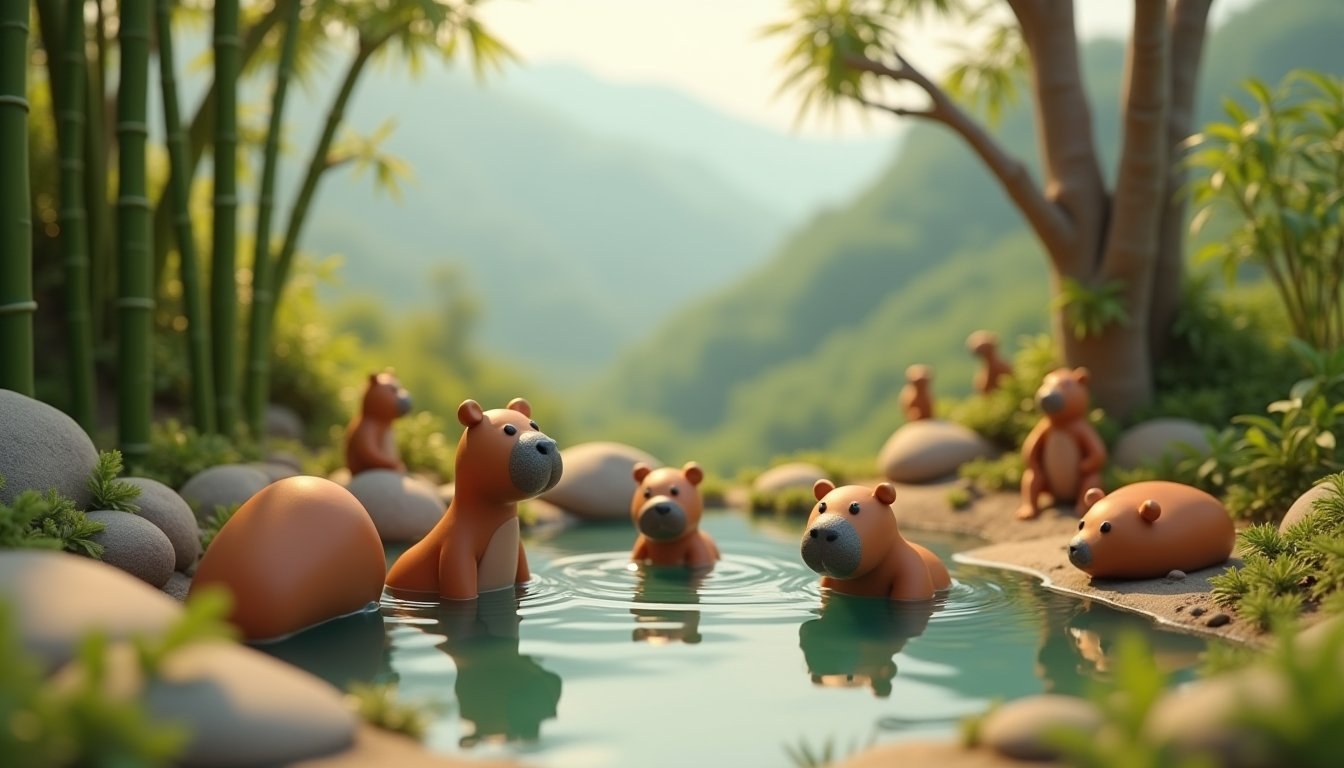
- The Winter Onsen: If you visit in winter (typically December through February), you will see the famous Capybara Onsen. The animals cluster in the warm water, stationary and blissfully relaxed. This is actually the safest time for toddlers to observe them up close.
- The “Zone” Boundaries: There is a gate to enter the Capybara area. If your child becomes frightened, you can easily retreat outside the gate while still enjoying a great view of the animals.
The winter onsen runs for a limited window each year, so timing your visit matters. If you are building your trip around that bucket-list shot, book your Bio Park entry on Klook in advance so a sold-out day or a long queue does not derail your schedule with tired kids.
Beyond Capybaras: Other Animal Encounters
While the capybaras get the Instagram fame, other zones call for different safety considerations.
The Squirrel Monkey Forest
This is often the most chaotic and fun part of the park. Small squirrel monkeys run freely through the trees and—frequently—onto the shoulders of visitors.
- Safety Note: These monkeys are lightning-fast thieves. Before entering, secure all loose items. Toddlers holding snacks or shiny toys might have them snatched. It is generally safe, but a monkey suddenly jumping on a backpack can startle young children.
The Kangaroo Hill
Here, you walk through a hillside populated by kangaroos and wallabies. Unlike the monkeys, the kangaroos are usually laid back and often sleeping.
They are generally very safe for children to pet gently on the back, making this a great “starter” interaction for nervous kids.
PAW (Pet Animal World)
Located near the entrance, PAW is an indoor/outdoor facility that requires a small extra fee (or a combo ticket). It features domestic animals like dogs, cats, guinea pigs, and rabbits.
- Why it’s great for toddlers: If the capybaras seem too big, PAW offers a controlled environment with familiar, smaller animals. It’s a great place to take a break from the outdoor heat or cold.
Comparing Animal Experiences in Kyushu
If your family’s main goal in Kyushu is seeing animals, you might be weighing Nagasaki Bio Park against other major attractions.
If you want a “Safari” experience where you view large predators like lions and bears from the safety of a vehicle, look toward Oita Prefecture instead.
We have a detailed comparison and guide for that experience here: African Safari with Kids: Jungle Bus Tips & Discounts.
Nagasaki Bio Park is strictly about herbivores and smaller animals (though it does have hippos, which stay behind safe barriers). The focus in Nagasaki is on contact, whereas African Safari is about scale and viewing wilder animals.
Practical Logistics for Parents
Stroller Accessibility
Nagasaki Bio Park is built on the side of a hill. The typical route involves a lot of walking, totaling about 2 kilometers if you do the whole loop.
- The Path: The main paths are paved and stroller-friendly, but they can be steep. Be prepared for a workout.
- Rental: Strollers are available for rent at the entrance, but bring your own if you have a comfortable, rugged one.
- The “Insectarium” Shortcut: There are a few shortcuts, but generally you are committed to the loop once you start.
Food and Dining
There are restaurants inside the park, but the menu is standard zoo fare (curry, udon, burgers).
- Family Tip: There are plenty of benches and picnic areas. To save money and keep picky eaters happy, consider bringing a bento lunch.
- Hydration: Kyushu summers are hot and humid. Some open zones (like the zebra or kangaroo areas) offer little shade. Vending machines are available, but carrying water bottles is essential.
Getting There
This is the trickiest part of the Bio Park experience. The park is somewhat isolated.
- By Car: This is the best option for families. It lets you control your schedule and store strollers and luggage easily.
- By Shuttle Bus: There is a free shuttle bus from Huis Ten Bosch if you are staying there, but it requires a reservation.
- By Public Bus: You can take a bus from Nagasaki Station, but it takes about 80 minutes. For a family with small kids, a long bus ride followed by a 2km walk around the zoo can be exhausting.
Because the park is so remote, many families base themselves near Huis Ten Bosch the night before to make the shuttle and an early start easy. You can compare family-friendly Huis Ten Bosch hotels on Agoda to cut the morning drive and start your Bio Park day fresh.
If you are trying to figure out how to fit Saikai and Nagasaki into a broader Kyushu schedule, check out our itinerary planning guide: Kyushu Family Itineraries: The Complete Guide to Planning Your 3 to 7-Day Trip.
Verdict: Is it Worth the Trip?
For animal-loving families, Nagasaki Bio Park is a must-visit. The ability to look a lemur in the eye or scratch a capybara under the chin creates memories that standard zoos simply cannot match.
The “free-range” concept asks parents to be more vigilant than usual, but the animals are well-acclimated to humans.
As long as you respect their space and supervise toddlers closely in the Capybara and Monkey zones, it is a safe and incredibly rewarding day out.
Ready to go? Secure your Nagasaki Bio Park tickets on Klook – many passes offer same-day or next-day collection, so you can decide based on the weather and still skip the queue.
What to Pack for Bio Park
- Comfortable Sneakers: You will be walking on hills.
- Hand Sanitizer: There are sinks for washing hands after feeding animals, but your own sanitizer is convenient.
- 100 Yen Coins: You will want plenty of coins for the animal feed capsules.
- Sun Protection: Hats and sunscreen are vital, even in spring and autumn.
Nagasaki Bio Park FAQ
How much does Nagasaki Bio Park cost?
Admission is roughly ¥1,900 for adults, ¥1,100 for elementary and junior-high students, and ¥900 for toddlers aged 3 and up, with PAW (Pet Animal World) charged as a small add-on. Prices shift seasonally, so confirm the current rate or pre-book your tickets on Klook before you travel.
What are the opening hours?
The park typically opens 10:00–17:00, with last entry around 16:00. Allow at least 2–3 hours to walk the full loop with children.
When is the Capybara Onsen open?
The famous hot-spring scene usually runs through the colder months, roughly December to February. This is also the calmest, safest window for toddlers to watch the capybaras up close.
Where should we stay nearby?
The most convenient base is around Huis Ten Bosch, a short drive from the park. You can browse nearby family hotels on Agoda to keep your travel day short.
If you are looking for more ideas on how to structure your week in Kyushu to include stops like this, consider our 7-Day Kyushu Family Itinerary: Fukuoka, Beppu, and Kumamoto by Train, which gives you a template for moving around the island efficiently.
Related Guides
- The Ultimate Family-Friendly Guide to Nagasaki with Kids: History, Theme Parks & Hidden Gems
- Harmony Land vs African Safari Oita: Best Family Attraction in Kyushu?
- African Safari with Kids: Jungle Bus Tips & Discounts
 Nagasaki: History & Theme Parks
Not sure where to begin? This free guide helps you pick the right Kyushu trip for your family — from a Fukuoka family who actually lives here.
- ✅A simple “which trip suits us?” chooser — by days, ages & interests
- ✅Snapshots of all 7 prefectures — what’s actually worth it with kids
- ✅Instant PDF download — name your price (free), no spam
Onsen, rail, or a full itinerary? It points you to the right deep-dive guide.