
Why Kyushu’s Summer Festival Season Is Worth Planning Around

Kyushu’s summer runs hot — and loud.
From early July through mid-August, the island hosts some of Japan’s most spectacular festivals — and many of them happen right here in Fukuoka Prefecture.
If you’re visiting or living here with kids, this is the season to be on the streets.
Taiko drumming that vibrates through your chest. Giant illuminated floats. Neighbourhood bon-odori dances you can join even as a foreigner.
It’s the kind of summer that sticks in a child’s memory for years.
This guide covers the full Fukuoka-area summer festival calendar for 2026. It helps you decide which events suit your kids’ ages and your family’s schedule.
The centrepiece is Hakata Gion Yamakasa (July 1–15), one of Japan’s great running festivals — and we’ll show you how to enjoy it without a 4 AM start if that’s not your style.
We also cover Kokura Gion Daiko, Tobata Gion Oyamagasa, and the gentler Obon / bon-odori scene in August.
Heat is the biggest challenge of this season — keep reading to the safety section before you make plans.
The Big Three: Fukuoka’s Summer Festival Lineup

Three major matsuri anchor the Kyushu summer calendar.
They happen in succession across July, which means you could, in theory, hit all three in a single trip.
That said, three sweaty crowd events in three weeks requires real stamina — especially with small children.
Pick the ones that best match your family’s energy and your kids’ ages.
Hakata Gion Yamakasa (博多祇園山笠) — July 1–15
Yamakasa is the big one.
Rooted in a 780-year tradition and based at Kushida Shrine in Hakata, this is arguably Fukuoka’s most important cultural event.
The festival officially spans the entire first two weeks of July. But for families there are several distinct “acts” to choose between — you don’t need to attend every day.
- Kazariyama (decorative floats), July 1–15: Around 14 enormous display floats — some towering 15 metres — are placed across Hakata and Tenjin. They’re free to walk up to and photograph at any time of day, with no crowds. This is the most stroller-friendly way to experience Yamakasa, and kids of all ages love the elaborate figures.
- Oiyama-narashi (rehearsal race), ~July 12, ~3:59 PM: A full-speed rehearsal of the race course. Smaller crowds than Oiyama itself, but the energy is genuine. A good option if you can’t stay for July 15.
- Shudan Yama-mise (all teams parade), July 13, ~3:30 PM: All competing teams carry their floats together along Watanabe-dori toward Tenjin. This is the most family-friendly main event — daytime, broad boulevard, and reasonable sightlines without queuing from dawn. Recommended if you have children under 6 or anyone who can’t manage a 4 AM wakeup.
- Oiyama (the climax race), July 15, starting exactly 4:59 AM: Seven teams race their one-ton floats across a 5 km course through Hakata’s streets, timed individually. It’s electrifying. The streets around the course are free to stand along, but sajiki (reserved seating) tickets cost ¥7,000 — sold at Kushida Shrine on June 26 only, from 9:00 AM, and they sell out extremely fast. No sajiki seats? Scout a free street spot the evening before. Bring layers (it’s still dark and cool at 5 AM) and be back in bed by 6:30 AM.
Planning to stay for multiple Yamakasa events? Book a Hakata base early — festival-week rooms fill fast, and rates climb sharply in the days around July 13–15.
For the deep dive on logistics — parking, nursing spots, age-by-age advice, and the best viewing positions — see our dedicated Hakata Gion Yamakasa with Kids family guide.
Cost: Watching from the streets is free. Sajiki seats ¥7,000 per person (adults and children).
Stroller note: Do not bring a stroller to the Oiyama race or Shudan Yama-mise — crowd density makes it dangerous and you’ll be asked to move. For Kazariyama float-viewing during the first week, strollers are fine.
Age verdict:
- Kazariyama 0+ (calm, any time of day)
- Shudan Yama-mise 3+ (noisy, exciting, manageable)
- Oiyama 6+ (early start, crowd crush, long wait — not for tired toddlers)
Kokura Gion Daiko (小倉祇園太鼓) — July 17–19, 2026
Two days after Yamakasa ends, the drums start in Kitakyushu.
Kokura Gion Daiko is a 400-year-old drum festival centred around Kokura Castle and the shopping arcades of central Kokura.
It’s designated as a National Important Intangible Folk Cultural Property — Japan’s official recognition that this is a serious cultural tradition, not just a local party.
The festival runs Friday July 17 through Sunday July 19, 2026.
The highlight for families is July 18, when children’s taiko teams compete — kids drumming with intense concentration in traditional dress is genuinely moving to watch.
The final day (July 19) features the grand taiko showcase with adult and group performances.
What makes Kokura Gion Daiko great for young kids: the festival spreads through a covered arcade (shotengai) as well as open plazas. That means shade and somewhere to retreat if the summer heat becomes too much. Food stalls are excellent.
Access: Kokura is about 1 hour from Hakata by shinkansen (hikari/kodama) or around 75 minutes by JR limited express.
A day trip from Fukuoka is very manageable — train is the easiest option.
If you prefer to travel by rail pass, a JR Kyushu Rail Pass covers the Hakata–Kokura route and pays off quickly across multiple Kitakyushu trips.
Cost: Free to watch street performances.
Age verdict: 2+ — less crowd pressure than Yamakasa, and the drumming is captivating for children. Young kids often try to copy the rhythm with their hands.
Tobata Gion Oyamagasa (戸畑祇園大山笠) — July 24–26, 2026
The final summer giant: Tobata Gion Oyamagasa in Kitakyushu’s Tobata Ward, listed as a UNESCO Intangible Cultural Heritage.
It’s worth knowing about because it offers something visually unique — the floats transform between day and night.
During the day, the “nobori-yama” floats are tall, traditional structures decorated with banners and streamers.
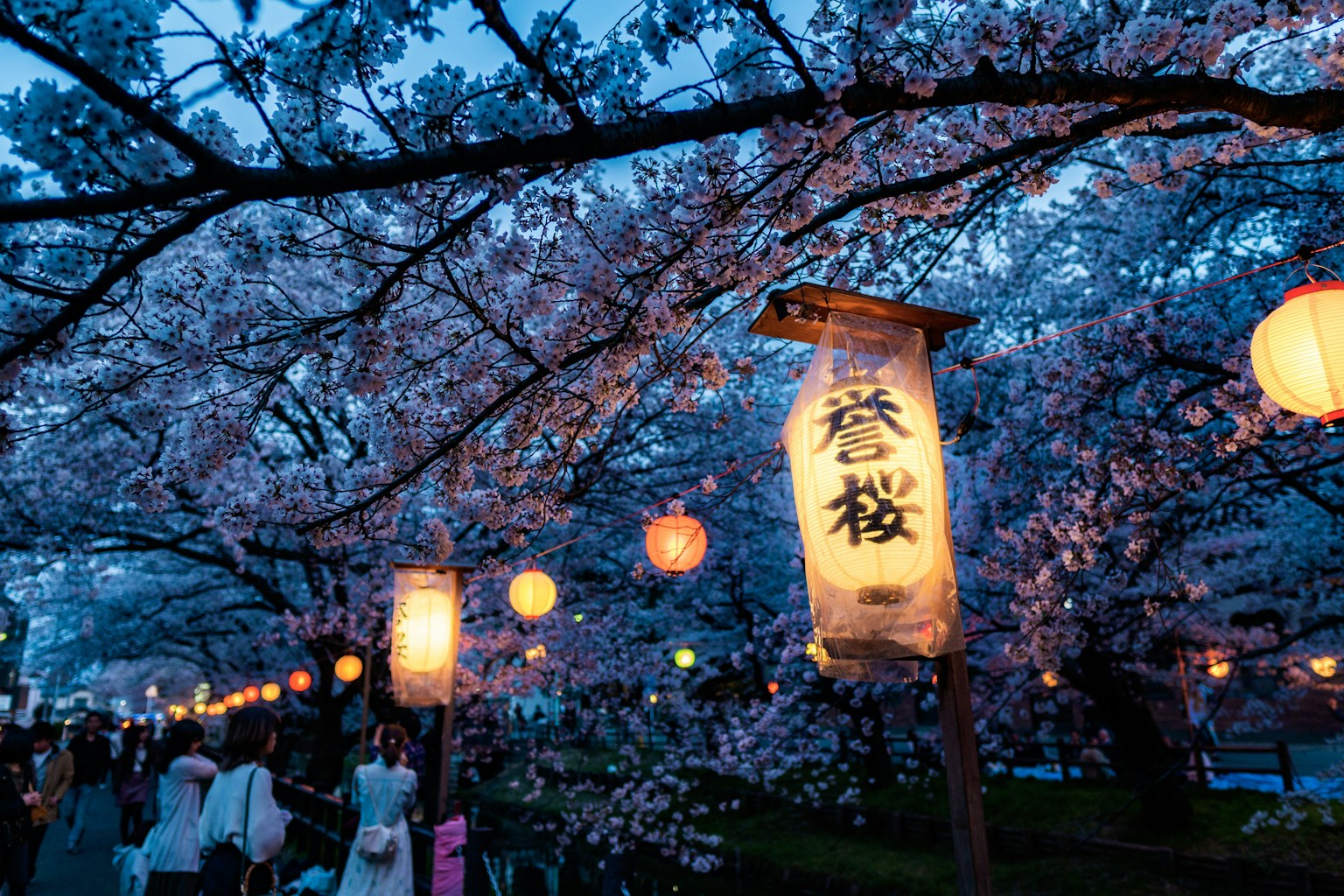
After dark, these same floats are completely re-dressed as “chochin-yama” — enormous lantern floats covered in hundreds of glowing paper lanterns.
The contrast between the same float by day and by night is spectacular.
The night competition (main event: July 26, 6:30–9:00 PM) around the Tobata Ward Office area is among the most photogenic summer festival sights in all of Kyushu.
The 9 PM finish makes a late train back to Fukuoka rough with young kids. Staying nearby lets everyone watch the lanterns to the end — compare family-friendly Kitakyushu hotels on Agoda before late-July rooms sell out.
The festival runs three days: July 24 (Fri) – July 26 (Sun), 2026.
These dates are confirmed on the official Tobata Gion site and Fukuoka Now. Always double-check at tobatagion.jp or the Kitakyushu City website before travelling, as exact start times can shift.
Access: Tobata Station (JR Kagoshima Main Line) or the Tobata Ward area. From Hakata, allow around 1 hour by train.
Age verdict: 4+ for the night competition (9 PM finish is late for toddlers). The daytime floats are fine for any age.
Skip this if: you’re visiting only on a weekday in mid-July — this is a very specific late-July event. Don’t try to combine it with Yamakasa’s Oiyama in the same 24-hour window unless you enjoy punishment.
Obon and Bon-Odori: August’s Family-Friendly Festival Mode

After the intensity of July, August shifts the festival mood to something slower and more communal.
Obon (August 13–16, 2026) is Japan’s festival of the ancestors — families return to hometowns, visit graves, and light lanterns to guide spirits home.
For foreign visitors and families, the most accessible part of Obon is the bon-odori dances held in neighbourhoods, parks, temple grounds, and community centres across Fukuoka.
Bon-odori dances typically happen in the evenings (around 6–9 PM) during the Obon period. The beautiful thing is that they’re participatory:
- You don’t need an invitation or prior experience
- You don’t need to be Japanese — foreigners are genuinely welcomed
- You stand in the circle, watch the people in front of you, and copy
- Kids often pick up the steps faster than adults
- Many venues have small food stalls selling kakigori (shaved ice), yakitori, and summer sweets — perfect at dusk when the heat is finally easing
Bon-odori venues are scattered across neighbourhoods, so a central base makes hopping between them easy on warm evenings. Compare centrally located Fukuoka stays on Agoda for the mid-August Obon week.
Check local ward office (ku-yakusho) notice boards, community bulletin posts, or Fukuoka Now’s event calendar in early August for specific bon-odori events near you. They’re rarely publicised far in advance.
For keeping cool after the dancing, our guide to Fukuoka summer with kids — beaches, splash pads, and kakigori covers the best cooling options to pair with evening festival visits.
Summer Fireworks: The Festival Season’s Soundtrack

Fireworks are inseparable from Japanese summer festivals.
Most major Fukuoka-area fireworks displays happen in July and August, and they pair beautifully with the evenings when matsuri food stalls are at their peak.
A fireworks evening also gives you a natural anchor for the rest of the day — festival in the afternoon, fireworks after dark.
If you want something extra on the days around your chosen festival, there are plenty of family-friendly activities and tours in Fukuoka that work well as a morning warm-up before the evening crowds gather.
For the full fireworks schedule, family seating advice, and which displays are best for young children who find the noise overwhelming, see our guide to the best Kyushu fireworks festivals with kids.
What to Wear: Yukata Season
Summer festivals are the occasion for yukata — the lightweight cotton kimono worn in Japan during summer events.
Kids wearing yukata at festivals is absolutely standard, and the sight of small children toddling along in miniature yukata is one of the defining images of Japanese summer.
If your child has any interest in dressing up, this is the moment.
You can rent yukata for children (and adults) at several locations in Fukuoka, or buy affordable sets that include the obi (sash) at department stores like Iwataya or large AEON malls.
Renting is the low-commitment choice if you’re only here for the festival season — book a Fukuoka yukata or kimono dressing experience on Klook and skip the sizing and storage guesswork.
For recommendations on where to rent or buy, prices, and what size to get, our yukata for kids in Fukuoka guide covers the options in detail.
Practical note: Yukata + humidity + walking = hot. Keep these in mind:
- Make sure your child has sandals that fit well (geta clogs are traditional but cause blisters on unaccustomed feet)
- Bring a small handheld fan
- Keep festival durations realistic for the temperature — a two-hour outing is often enough
The Heat Problem: Family Safety in July–August
This section is not optional reading.
July and August in Fukuoka are genuinely dangerous for young children if you don’t manage heat actively.
Average highs are around 33–35°C with very high humidity. Standing in a crowd in direct sun can push the apparent temperature well above 38°C.
Heatstroke in children progresses faster than in adults, and it happens at festivals every year.
Our full summer heat survival guide for Fukuoka families has the detailed safety protocol. Short version for festival days:
- Time of day: Avoid standing in the sun between 11 AM and 4 PM. Morning events (Oiyama at 4:59 AM) and evening events (bon-odori, Tobata night floats) beat afternoon ones.
- Shade first, always: Scout your viewing position for shade before committing. Covered arcades (Kokura) and shaded roadsides beat open plazas.
- Hydration: Water or sports drinks every 20–30 minutes for children. Kakigori (shaved ice) counts, grudgingly.
- Exit strategy: Know the nearest convenience store or air-conditioned building before the event starts. A 20-minute cool-down break is not a failure.
- Signs of heatstroke: Stopped sweating, confusion, skin that’s hot and dry — these are emergencies. Call 119.
Build at least one air-conditioned attraction into each festival day as a guaranteed cool-down. teamLab Forest Fukuoka is fully indoor, climate-controlled, and an easy win with overheated kids.
What to pack for festival days:
- Cooling towel (wet and drape on the neck)
- Portable battery-operated fan (sold at 100-yen shops and convenience stores)
- UV-blocking arm sleeves for children
- Refillable water bottle — vending machines are everywhere, but refilling is cheaper and faster
Planning Your Summer Festival Trip: Quick-Reference Calendar
| Dates | Festival | Location | Best For |
|---|---|---|---|
| July 1–15 | Hakata Gion Yamakasa | Hakata / Tenjin, Fukuoka City | All ages (float viewing 0+, race 6+) |
| July 13, ~3:30 PM | Shudan Yama-mise (Yamakasa parade) | Watanabe-dori, Fukuoka City | Best family-friendly Yamakasa event |
| July 15, 4:59 AM | Oiyama (Yamakasa climax race) | Hakata streets | Ages 6+, early risers |
| July 17–19 | Kokura Gion Daiko | Kokura, Kitakyushu | Ages 2+, great for kids (children’s taiko July 18) |
| July 24–26 | Tobata Gion Oyamagasa | Tobata, Kitakyushu | Ages 4+, stunning night lantern floats |
| Aug 13–16 | Obon / Bon-odori dances | Neighbourhoods across Fukuoka | All ages, participatory dancing |
What About Hakata Dontaku?
You may have read about Hakata Dontaku — Fukuoka’s biggest parade festival, with hundreds of thousands of attendees and costumed performers through the central city.
It’s a wonderful family event, but it happens in early May (Golden Week), not summer.
Planning a spring trip? Our Hakata Dontaku with Kids family guide has everything you need.
Don’t confuse the two seasons when booking accommodation — Golden Week hotels fill up 3–4 months in advance.
Beyond Fukuoka: Autumn and Winter Festival Teasers
If summer feels like too much heat for your family, Kyushu’s festival calendar doesn’t end in August.
Autumn brings Karatsu Kunchi in Saga Prefecture — floats pulled through castle-town streets in early November, highly recommended for families.
Winter brings the ethereal Nagasaki Lantern Festival, where the city transforms into a sea of 15,000 lanterns for Chinese New Year.
Both are dramatically cooler and offer a very different festival atmosphere.
See our Karatsu Kunchi with Kids guide and our Nagasaki Lantern Festival with Kids guide for details.
Frequently Asked Questions
When is Hakata Gion Yamakasa 2026?
The festival runs July 1–15, 2026. The main climax event, the Oiyama race, starts at exactly 4:59 AM on July 15.
The most family-friendly event is the Shudan Yama-mise float parade on July 13 at around 3:30 PM — daytime, wide boulevard, and no need for a dawn wake-up.
Is Hakata Gion Yamakasa free to watch?
Yes — watching from the streets along the race course is completely free.
Reserved sajiki (bleacher) seats near Kushida Shrine cost ¥7,000 per person and are sold at Kushida Shrine on June 26 only, starting at 9:00 AM. They sell out within hours, sometimes faster.
The street viewing experience is genuinely good even without paid seats.
Can I bring a stroller to Yamakasa?
Only to the decorative Kazariyama float displays (July 1–15 daytime, various city locations) — the floats are stationary and crowds are manageable.
Do not bring a stroller to the Oiyama race (July 15) or Shudan Yama-mise (July 13); crowd density makes it unsafe and stewards will ask you to leave. Wear your baby in a carrier for those events.
What age is appropriate for the Yamakasa Oiyama race?
We recommend 6 and up for Oiyama. The 4:59 AM start means waking around 3:30 AM, walking to your spot in darkness, and waiting in a crowd for an hour before the action starts.
That works for school-age kids who are genuinely excited, but it’s miserable for tired toddlers. The July 13 parade is a better choice for younger children.
What is Tobata Gion Oyamagasa and why is it special?
Tobata Gion Oyamagasa is a UNESCO-listed festival in Kitakyushu’s Tobata Ward, held July 24–26, 2026.
What makes it unique is that the same floats appear completely differently by day and night: tall “nobori-yama” banner floats during the day transform into “chochin-yama” covered in hundreds of glowing lanterns after dark.
The main competition on July 26 runs from 6:30–9:00 PM and is visually spectacular.
What is bon-odori and can foreign families join?
Bon-odori is a communal circle dance performed during Obon (August 13–16, 2026) to welcome ancestral spirits.
Yes, foreign families are absolutely welcome to join — you stand in the outer circle, watch, and copy the steps. Kids pick it up quickly.
Look for local events at parks, temples, and community centres during Obon week; your ward office notice board or Fukuoka Now’s event calendar is the best source.
How do I get from Fukuoka to the Kitakyushu festivals (Kokura and Tobata)?
Kokura is about 1 hour from Hakata Station by shinkansen (hikari or kodama; around ¥2,000–2,500 per adult) or about 75 minutes by JR limited express.
Tobata Station is a further 5 minutes from Kokura on the JR Kagoshima Main Line.
Driving is possible, but parking near festival areas is very limited on event days — train is strongly recommended. Book shinkansen tickets in advance during peak summer.
Is it really that hot? Do I need to worry about heat for my kids?
Yes, genuinely. July and August in Fukuoka regularly hit 33–35°C with very high humidity, and standing in direct sun in a crowd amplifies this significantly.
Young children are at higher heatstroke risk than adults. Attend morning or evening events, carry water and a portable fan, know the nearest air-conditioned building, and read our dedicated heat survival guide for Fukuoka families before your festival day.
What should kids wear to summer festivals in Fukuoka?
Lightweight, breathable clothing and sun protection are the practical answer.
For special occasions, yukata (summer kimono) is absolutely standard at Japanese festivals and kids look wonderful in them.
You can rent or buy children’s yukata sets in Fukuoka — see our yukata for kids guide (linked in the section above) for where and what to expect to pay.
 Top Things to Do in Fukuoka
 Instant confirmation for most tickets
Not sure where to begin? This free guide helps you pick the right Kyushu trip for your family — from a Fukuoka family who actually lives here.
- ✅A simple “which trip suits us?” chooser — by days, ages & interests
- ✅Snapshots of all 7 prefectures — what’s actually worth it with kids
- ✅Instant PDF download — name your price (free), no spam
Onsen, rail, or a full itinerary? It points you to the right deep-dive guide.