
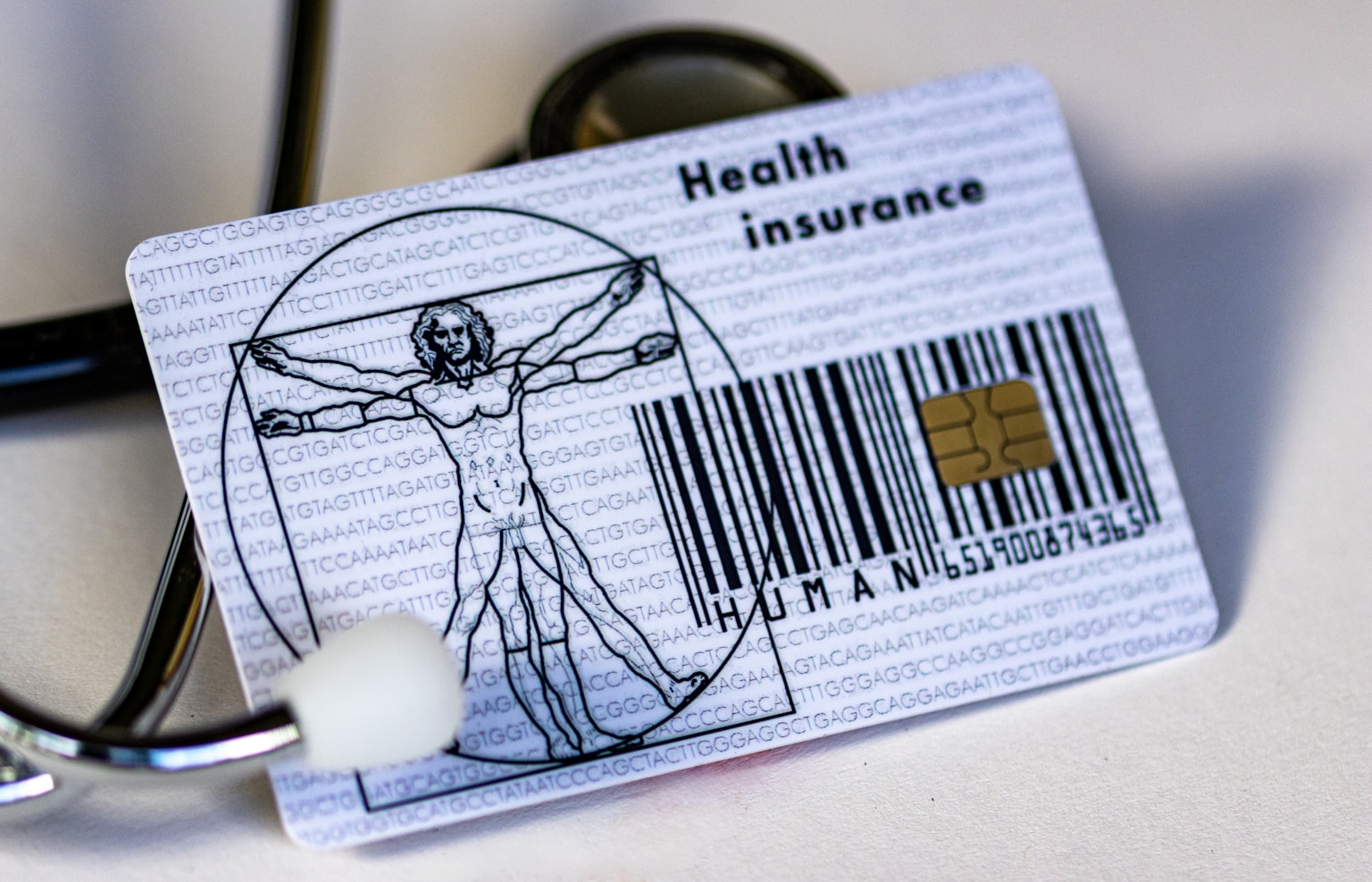
Quick Answer: Foreign residents in Fukuoka join one of two systems. Employees are auto-enrolled in employer insurance (~5% of salary, split with the company, spouse and kids free as dependents). Everyone else enrolls in National Health Insurance at their ward office within 14 days of address registration — roughly ¥3,000–5,000 per adult in year one. Both cover 70% of costs, and Fukuoka kids pay ¥0–500 per visit.
Japan’s health insurance system is one of the cheapest and most comprehensive in the world for residents — but enrolling correctly as a foreign family takes a few steps.
This guide explains the two main systems — employer-based insurance versus National Health Insurance — and how dependents work for your spouse and kids.
It also covers what children’s medical subsidies pay for and how monthly premiums are calculated.
Fukuoka-specific details are included throughout: ward office hours, child subsidy ages, and the paperwork each counter actually asks for.
Bottom line: every resident must enroll within 14 days of registering an address.
Miss the deadline and you pay 100% out-of-pocket — a single ER night for a child can top ¥100,000, so the clock matters.
The two systems

Employer health insurance (Kenkou Hoken / Shakai Hoken)
- For full-time employees of Japanese companies (incl. Japan-incorporated foreign company branches)
- Premium ~5% of salary, split 50/50 with employer
- Spouse and kids enrolled as dependents — no extra premium
- Covers 70% of medical costs (you pay 30%)
- Auto-enrolled by HR on first paycheck
National Health Insurance (Kokumin Kenkou Hoken / NHI)
- For freelancers, students, retirees, anyone not on employer insurance
- Premium based on previous year’s income — first year is fixed-low because no Japan income yet
- Each adult pays separately; kids ride on parent
- Covers 70% of medical costs
- Enroll at ward office within 14 days of address registration
Quick comparison: Employer insurance vs NHI
| Feature | Employer (Shakai Hoken) | National Health Insurance (NHI) |
|---|---|---|
| Who it’s for | Full-time employees | Freelancers, students, retirees, non-employed |
| Premium | ~5% of salary, split 50/50 with employer | Prior-year income based; first year fixed-low |
| Spouse & kids | Added as dependents — free | Each adult pays separately; kids ride on a parent |
| Coverage | 70% (you pay 30%) | 70% (you pay 30%) |
| How to enroll | Auto-enrolled by HR | Ward office, within 14 days |
Which one applies to your family

- Spouse visa holder + working spouse: working spouse on employer insurance; spouse + kids as dependents → free
- Spouse visa, both not employed: NHI for both adults; kids on whichever parent’s NHI
- Self-employed/freelance: NHI
- Student visa: NHI mandatory
- Multiple visa types in family: each adult on appropriate type; kids on either parent
Premium math (NHI example)

- Year 1 in Japan (no prior Japan income): ~¥3,000–5,000/month per adult — flat low rate
- Year 2+: calculated from prior year’s tax-declared income, typical family premium ¥20,000–60,000/month for two adults
- Premium is income-tier based, capped per ward
- If income drops, premium adjusts downward at next renewal
- Kids: no extra premium beyond parents
Children’s medical subsidy (Kodomo Iryou-hi Joyo)

- Fukuoka City: kids age 0–12 (some wards extend to 15 or 18) get co-pays subsidized to ¥0–500 per visit
- Apply at ward office after enrolling in NHI/employer insurance
- Receive child medical card (kodomo iryou-sho) by mail in 1–2 weeks
- Show this card alongside insurance card at clinics
- Income-tested in some wards — high earners may pay full 30% co-pay
Where to go in Fukuoka City
- Chuo Ward Office (Akasaka, near Akasaka Station): insurance & pension counter on 2F — the closest office for Tenjin and Daimyo residents
- Hakata Ward Office (Hakata-ekimae, 5 min from Hakata Station): handy if you moved in near the station
- Sawara / Nishi / Higashi / Minami / Jonan ward offices: same counters, same forms — always go to the ward matching your registered address
- Fukuoka City’s official insurance page (city.fukuoka.lg.jp) lists each ward’s phone number and current premium tables in Japanese; ask for the English support desk if you need help
This subsidy is one of the biggest financial wins for families in Fukuoka.
Pair it with knowing where to go in a crisis via our Emergency Care for Kids in Fukuoka guide.
Travelling overseas before the child medical card lands in your mailbox? Japanese coverage stays domestic-only.
For that gap, grab short-term family travel insurance on Klook — it takes about two minutes and costs less than one restaurant dinner.
Enrollment steps for new arrivals
Step 1: Register address
Move into your apartment, then visit the ward office within 14 days with your residence card, lease, and passport.
You’ll receive the Juminhyo (resident certificate), which insurance enrollment depends on.
For the full document checklist, see our Fukuoka Address Registration & My Number Card Guide.
Step 2: Enroll in insurance
- If on employer insurance: HR will arrange; start date = your hire date
- If on NHI: same ward office visit, ask for kokumin kenkou hoken
- Hours: Mon-Fri 8:45–17:15 (closed weekends/holidays)
- Go before 11:00 or after 14:30 — the lunch-hour queue at Chuo and Hakata wards is the longest
Step 3: Apply for child medical card
- Same ward office visit; bring kid’s residence card + insurance card
- Wait 1–2 weeks for card by mail
- Until card arrives, save receipts — reimbursable retroactively
Step 4: Set up high-cost medical insurance
- Japanese system has a monthly cap (kougaku ryouyou-hi seido) — typically ¥30,000–80,000/month max out-of-pocket regardless of treatment
- Apply for cap-coverage limit certificate (gendogaku ninteishou) before major procedures
- Otherwise pay then claim refund — slower but works
What’s covered
- Outpatient visits, hospitalization, surgery, prescriptions, imaging — all covered at 70% (or 0–30% for kids with subsidy)
- Dental: covered for cavities, extractions, basic care; cosmetic excluded
- Vision: limited — basic eye exams covered, glasses not
- Mental health: covered for psychiatric care; talk therapy varies
- Maternity: separate one-time grant (¥420,000) for birth; outpatient prenatal care covered
Wondering which clinic or hospital to choose once you’re insured? Our Pediatric Hospitals in Fukuoka guide lists English-friendly options.
What’s not covered
- Cosmetic surgery, orthodontics (most), elective procedures
- Preventive care like annual physicals (employers usually pay for kenkou shindan separately)
- Voluntary vaccinations (mumps, flu, HPV before recent re-listing, etc — though city subsidies cover some): see our Childhood Vaccinations in Japan guide for what Fukuoka subsidizes
- Some imported drugs not on Japan’s approved list
Travel insurance vs Japan insurance
- Japanese insurance covers you only inside Japan
- For travel outside Japan, supplement with a separate policy — compare family travel insurance plans on Klook before each trip so a hospital bill abroad never becomes a holiday-ruiner
- Conversely, foreign travel insurance won’t cover routine care in Japan
- Some employer-based plans extend coverage internationally; check policy
- Staying inside Japan on your first family trip? A prepaid data SIM or pocket Wi-Fi keeps translation apps and the #7119 medical hotline reachable if a kid gets sick away from home
Paperwork done? That’s the hard part of settling in — reward the family with a first weekend away.
Lock in family-friendly stays early via Agoda’s Fukuoka and Kyushu hotel deals, or plan a day out with discounted Marine World Uminonakamichi tickets now that clinic visits cost you almost nothing.
If you leave Japan
- De-register at ward office before leaving (return insurance card)
- NHI premiums prorated to month of departure
- If returning later, re-enroll — premium calculation resets if you’ve been gone 1+ year
Common questions
Can I keep my home country insurance?
You can carry it as supplemental, but Japan still requires NHI/employer insurance for residents.
Most foreign insurance won’t cover Japan-based care anyway, so treat home-country cover as a top-up rather than a replacement.
What about pre-existing conditions?
Japan’s system has no pre-existing condition exclusions. Day 1 of coverage = full coverage.
Does insurance cover Japanese alternative medicine?
Some kampo (Japanese herbal) prescriptions are covered, and acupuncture is covered if doctor-referred.
Massage and chiropractic are typically not covered unless a doctor prescribes them for a specific diagnosis.
What happens if I miss the 14-day deadline?
You can still enroll late, but the ward office backdates premiums to your registration date — and any care received before enrolment is billed at 100%.
Related family-life guides
- Childhood Vaccinations in Japan: Foreign Family Guide
- Emergency Care for Kids in Fukuoka
- Pediatric Hospitals in Fukuoka: Family Guide
- Fukuoka Address Registration & My Number Card Guide
A relaxed, ready-to-use plan from a Fukuoka family who actually lives here — instant PDF, name your price (free).
- ✅A gentle day-by-day Fukuoka plan — ramen, parks, one easy day trip
- ✅Tap-to-open Google Maps for every stop, plus where to stay & family tips
- ✅Instant PDF download — no spam, yours to keep
Planning the whole island? The full 7-day Kyushu itinerary is inside.
Want the whole trip mapped out? This is our complete 7-day Kyushu loop, done for you — the exact route a Fukuoka family runs with their own kids.
- ✓Day-by-day plan — what to do, in what order, at a kid-friendly pace
- ✓Named hotels & booking links — where to sleep each night, no rabbit-holes
- ✓Packing & prep checklists — arrive sorted, not scrambling
Instant PDF · written by locals · hours of planning, done