
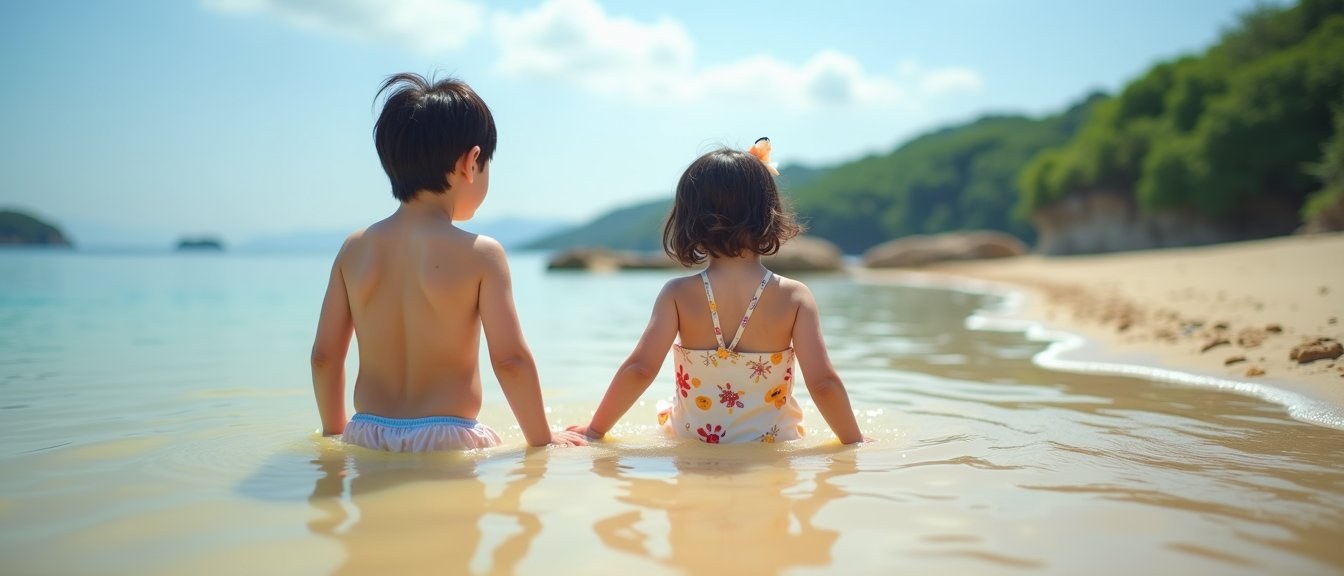
One of the most unique and memorable experiences in all of Japan lies at the southern tip of Kyushu. Imagine wearing a cotton yukata, lying down on the beach, and being gently buried in warm, geothermally heated volcanic sand while listening to the sound of the ocean. This is the famous Ibusuki Sand Bath (Sunamushi Onsen).
For adults, it is a relaxing detox. But for parents traveling to The Ultimate Family-Friendly Guide to Kagoshima with Kids, the big question is: Can kids actually do this? Is it too hot? Is it safe? And will they sit still long enough to enjoy it?
The short answer is yes—but with some important planning and “know-how.” Ibusuki is a fantastic addition to a Kyushu family trip, offering a sensory experience your children will talk about for years. In this guide, we break down everything parents need to know about navigating the sand baths with children, from age restrictions to the step-by-step process.
What Exactly is a Sand Bath?
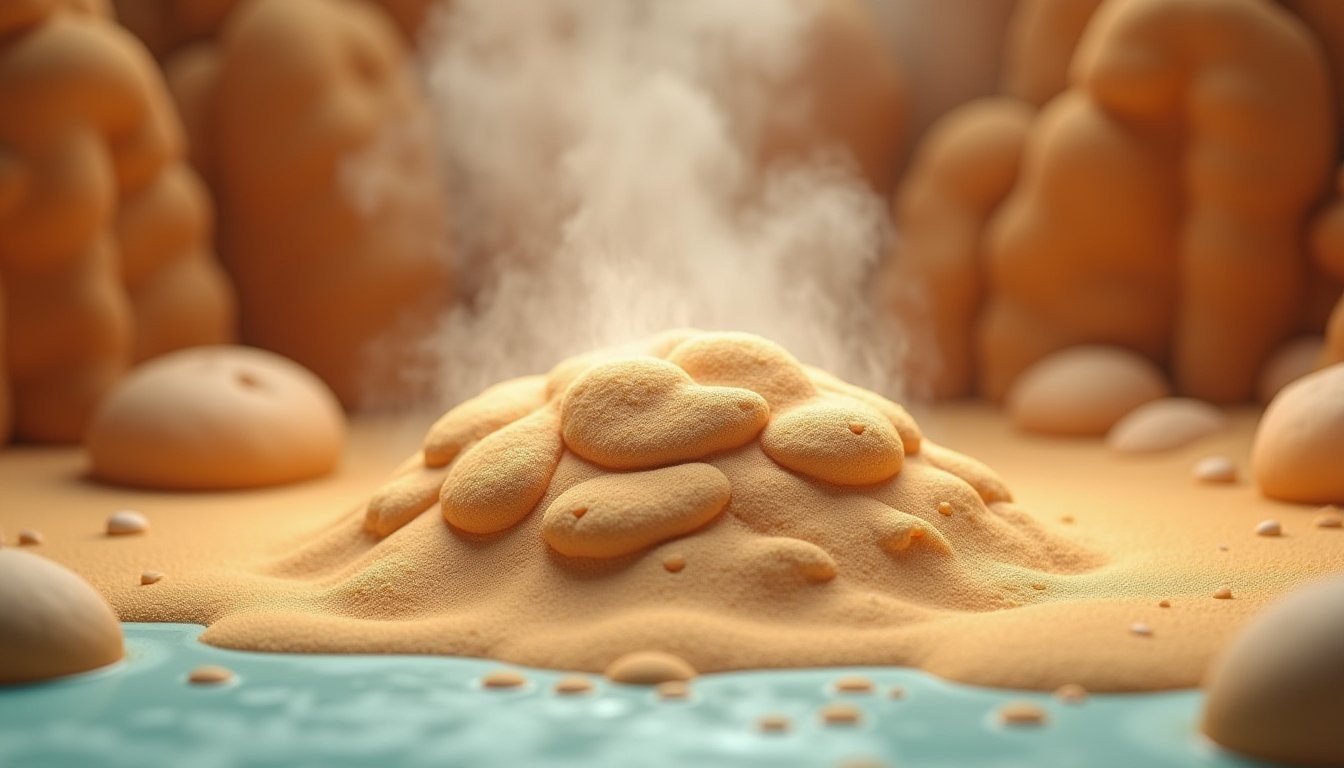
Before you convince your children to get buried, it helps to understand what makes Ibusuki special. Unlike a traditional hot spring where you soak in water, here you soak in sand.
The sand on Ibusuki’s beaches is heated by hot spring water that wells up naturally along the shoreline. Saraku puts the sand at around 50°C and the load on your body at 30–50 kg, which is exactly why it feels like a very warm weighted blanket. Ten minutes under it is enough to leave you sweating from head to toe. Hakusuikan cites a Kagoshima University study putting the effect at three to four times that of an ordinary hot spring bath; either way, treat it as a genuinely strenuous bath rather than a novelty.
For kids, the science is secondary to the novelty. The idea of being “buried alive” at the beach is usually hilarious to elementary-aged children, though it can be slightly intimidating for toddlers.
Can Kids Join? Age and Safety Guidelines
This is the most common concern for families. While there is no strict “law” against children, facilities generally have specific safety and hygiene rules.
The Official Age Rule
Saraku Sand Bath Hall states the minimum plainly: children can be buried from about two or three years old, on one condition — the child must be able to tell staff when something is too hot. That is the real gate, not a fixed birthday.
- Tip: The separate indoor bathhouse follows Kagoshima Prefecture’s mixed-bathing rule, which cuts off at age six — and school-age children cannot use the opposite-sex bath at all. So plan who takes which child into which changing room before you arrive.
Heat Sensitivity
Saraku puts the sand at about 50°C (122°F) with 30–50 kg of weight on top. Staff can and will adjust both the temperature and the weight for a child’s age and build — just say so at the sand pit and they will lighten it. Children still have thinner skin and are more sensitive to heat than adults, so keep an eye on them.
- Recommendation: Officially it is 2–3 and up, but in our experience 5 or 6 is where children actually enjoy it rather than endure it. If your child finds bath time at home too hot, they will probably find the sand uncomfortable.
- Who must not go in: Saraku lists high blood pressure (180/100 mmHg or above), heart disease, arrhythmia, angina, lung disease, pregnancy, menstruation, inflammation and fever as contraindications, and asks people with pacemakers not to bathe. Worth reading before you book a trip around it.
The “Stillness” Factor
Saraku puts the burial itself at about 10 minutes, and the whole visit — reception, changing, sand, then the indoor bath — at roughly an hour, plus a queue of around 20 minutes when it is busy. You cannot move much once buried, because moving breaks the seal of the sand. Active toddlers who can’t sit still for two minutes will find being pinned down by heavy sand frustrating rather than relaxing.
The Step-by-Step Experience with Kids
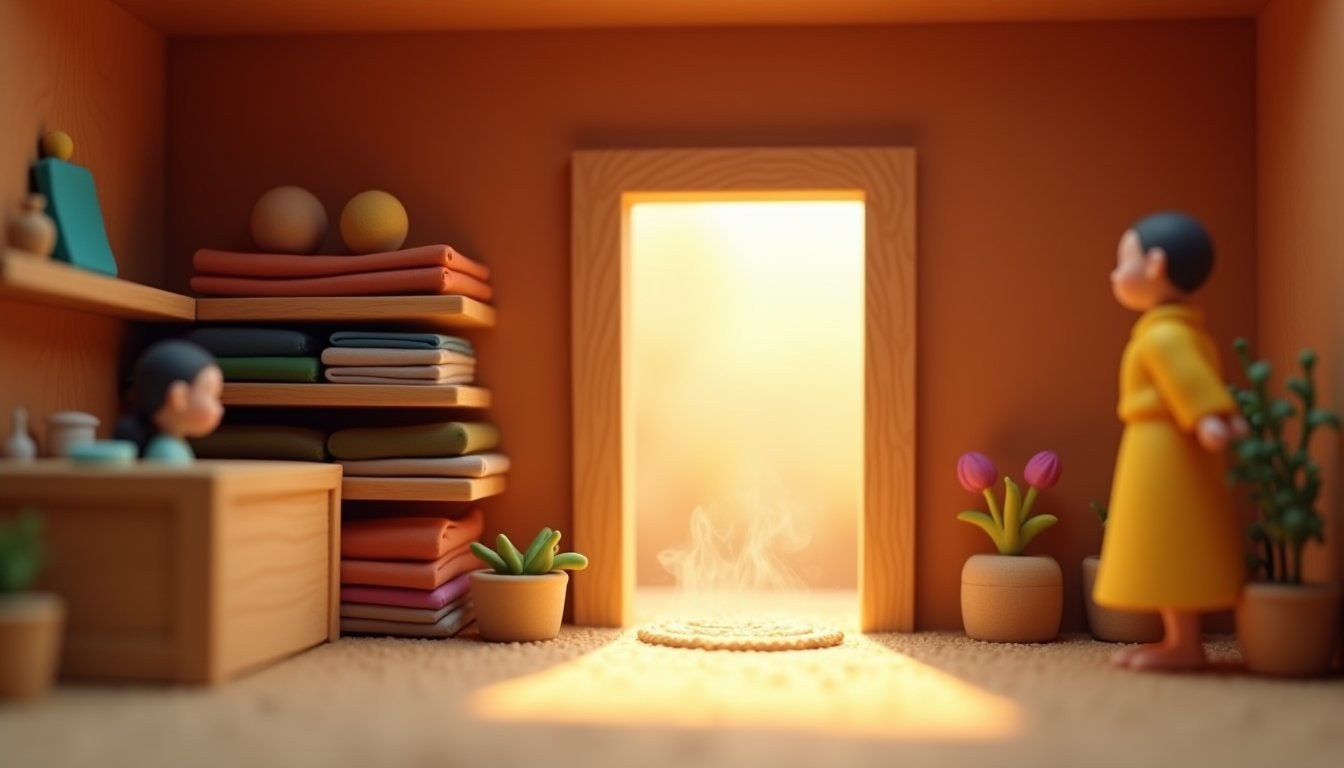
Knowing the logistics beforehand can save you a lot of stress. Here is how a typical visit to Saraku Sand Bath Hall (the most popular public spot) works for a family.
1. Reception and Yukata Rental
You go up the escalator to the second floor and pay at reception. The fee includes the yukata (light cotton kimono). At Saraku the sand bath is ¥1,500 for adults (junior high age and up) and ¥800 for children (elementary age and under); during Golden Week, Obon, Silver Week and the New Year period those rise to ¥2,000 and ¥1,000. Bath-only entry is ¥800 / ¥400. Cards, e-money, QR codes and transit IC are all accepted, and there is no reservation system — it is strictly first come, first served.
- For Kids: Saraku and major hotels usually provide child-sized yukatas. Seeing your little ones dressed up in matching mini-yukatas is a photo opportunity in itself!
- Towel Tip: You need a face towel to wrap around your head. Bring one from your hotel or buy the ¥300 souvenir towel at reception — it is yours to keep. A bath towel for the indoor bath afterwards is a separate ¥300 rental; shampoo and body soap are already in the bathhouse and hairdryers are free.
2. Changing
Head to the locker rooms to change. You strip down completely and put on only the yukata — Saraku’s own instructions say not to wear any clothing, underwear or swimwear underneath. The one exception is the inner garment the front desk rents out, which is designed to stop the yukata falling open and to add a little warmth in winter. Lockers cost ¥200 a use and need ¥100 coins, so keep a couple back even though the front desk itself is cashless.
- Parent Note: Explaining to a shy child that they can’t wear underwear might be tricky, but assure them the yukata covers everything and the sand covers the rest!
3. The Walk to the Beach
You will walk from the locker room out to the beach designated area. Even in winter, the steam rising from the sand makes the area warm.
- Footwear: Wear the provided slippers. The sand can be hot to walk on in certain patches.
4. Being Buried
This is the main event. You will lie down in a shallow trench dug by the staff (the “sunamushi” attendants).
- Positioning: Wrap the face towel around your head — that is what keeps the sand off your hairline and neck.
- The Burial: The attendants will shovel warm sand over your body, leaving only your head exposed.
- For Kids: Say so at the pit and staff will adjust both the temperature and the weight of sand for a child — Saraku explicitly offers this. They are professionals and deal with families constantly; they will not pile 50 kg of hot sand on a 7-year-old.
- No photos: This is the rule people trip over. Saraku prohibits photography — and even bringing a camera or phone — in the changing rooms, the sand bath and the bathhouse, under a Kagoshima prefectural ordinance. It applies to companions who are not bathing too. You can take pictures before you go down the steps, around the Pokémon manhole cover, so get your group shot there.
5. The Soak (10 Minutes)
Relax and listen to the ocean.
- Safety Check: Keep checking on your kids. “Are you too hot?” “Does it hurt?” If they want to get out, do not force them to stay. They can easily wiggle their arms and legs free to stand up. Even 3 minutes is a success for a first-timer.
6. The Escape and Wash
When you are done, wiggle out (like a zombie emerging!) and shake off the sand. Walk back to the shower area to rinse the sand off your body and yukata.
- Post-Sand Onsen: After rinsing, you head into the actual hot spring bath (inside) to wash properly and soak in the water.
Where to Go: Public Facilities vs. Hotels
Saraku Sand Bath Hall
This is the large, public facility most day-trippers use.
- Pros: Iconic, right on the ocean, affordable, easy for day trips. Open 8:30 am–9:00 pm with last reception at 8:00 pm, and open every day of the year apart from maintenance closures in July and December. There is free parking for about 90 cars.
- Cons: Can be crowded with tour buses, and reception shuts between 12:00 and 1:00 pm on weekdays — the baths stay open, but you cannot check in during that hour.
- Access: About 20 minutes’ walk (1.5 km) from JR Ibusuki Station, 5 minutes by car, or a Kagoshima Kotsu bus to the Sunamushi Kaikan-mae stop. A taxi from the station is about 5 minutes and ¥800–¥1,200.
- Afterwards: There is a noodle restaurant, Men-dokoro Takashi, on the third floor (11:00 am–3:30 pm, closed Wednesdays), plus a souvenir shop and drink machines.
Ibusuki Hakusuikan
If you want a luxury experience, consider staying at Hakusuikan. It is one of the most famous ryokans in Japan.
- Pros: Beautiful atmosphere and a far more relaxed pace than the public hall. For overnight guests the sand bath runs 6:00–8:30 am and 3:30–10:00 pm and costs ¥1,540 per adult and ¥1,100 per child per session, charged to the room — so you can go before breakfast when nobody else is about.
- Cons: Much more expensive as a day trip. Non-staying visitors can only book the 3:00–6:00 pm slot, and only as a set with the Genroku bath: ¥4,940 per adult and ¥2,200 per child, more over the mid-August peak. The sand bath alone is not sold to day visitors, there are no reservations, and cameras are not allowed.
For families planning a broader trip, knowing where to stay is crucial. If Ibusuki feels too far for an overnight, you might base yourself in Kagoshima City or even plan a wider route. Check our guide on Kyushu Family Itineraries: The Complete Guide to Planning Your 3 to 7-Day Trip to see how Ibusuki fits into a larger schedule.
Getting There: The “Ibusuki no Tamatebako” Train
For train-loving kids, the journey to Ibusuki is half the fun. You should try to book seats on the Ibusuki no Tamatebako (often called “Ibu-Tama”).
This limited express runs between Kagoshima-Chuo and Ibusuki in about 51 minutes, and it is painted white on the sea side and black on the mountain side — a nod to the Japanese folktale Urashima Taro, in which opening a magic box turns the hero’s hair white. As it sets off, mist puffs out of the body of the train to mimic the smoke from that box.
- Onboard: Car 1 is finished in teak with sofa seating ringed by bookshelves, and both cars have counter seats facing the sea. For families there is a children’s area with kids’ chairs facing the ocean and a baby circle.
- Booking: Every seat is reserved, and it is extremely popular — book as far ahead as you can.
- Rail Pass: If you are using a JR Kyushu Rail Pass, this train is covered, but you must reserve a seat. For detailed advice on navigating trains in this region, read our guide to JR Trains in Fukuoka with Children: Seats, Tickets, and Family Travel Tips, which covers the basics of reservations and child ticketing rules applicable across Kyushu.
Other Family Activities in Ibusuki
Once you are clean and refreshed, don’t rush back to the city. Ibusuki has other quirks kids love.
1. Somen Nagashi (Flowing Noodles) at Tosenkyo
South of the city at Kaimon Jutcho, in the shadow of Mt Kaimon, is Tosenkyo, famous for “Somen Nagashi.” Unlike the bamboo slides seen elsewhere, the noodles here circle a table-top stream and are chilled in spring water good enough to make Japan’s Heisei list of 100 famous waters. Kids absolutely love trying to catch them with their chopsticks. The municipal restaurant opens 11:00 am–3:30 pm (last order 3:00 pm) year-round, takes cards and e-money, has parking for 470 cars, and accepts bookings by phone or through its web form — worth doing in summer, when it draws part of its 200,000 annual visitors all at once.
2. Nagasaki Nose and Flower Park
The southernmost tip of the Satsuma Peninsula offers stunning views of Mount Kaimondake (the “Fuji of Satsuma”). The nearby Flower Park Kagoshima is stroller-friendly and colorful year-round, offering plenty of space for kids to run.
3. Pokémon Lids (PokéFuta)
Ibusuki has adopted Eevee, whose Japanese name Iibui chimes with Ibusuki, and the city has installed PokéFuta manhole covers featuring Eevee and its evolutions around town — there is one inside Saraku itself, and the Vaporeon lid sits near the Ginshou ryokan. A scavenger hunt for them is a great way to motivate kids to walk around town, and the covers are the one spot at Saraku where photos are allowed.
Practical Tips for Parents
- Hydration: The sand bath makes you sweat profusely. Make sure your children drink plenty of water or sports drink (like Pocari Sweat) immediately afterward.
- Hair Care: If you have long hair, tie it up high. Getting volcanic sand out of a child’s scalp is a challenge you want to avoid!
- Skin Safety: If your child has eczema or open scratches, the salt and heat might sting. Use waterproof bandages or skip the sand.
- Timing: Assume you will be in the roofed, all-weather sand pit — that is the normal arrangement, and it is why Saraku stays open in the rain. Burial down at the water’s edge only happens when a spring-tide low, good weather and good sand all line up, it is decided by staff on the day, and it lasts only a few hours around low tide. Treat it as a bonus.
- What to Bring:
- Plastic bag for wet towels.
- Hair ties.
- Easy-to-remove shoes (you will be swapping to slippers).
- ¥100 coins — Saraku’s reception is fully cashless, but the changing-room lockers take coins only (¥200 a use).
Conclusion
Can kids do the Ibusuki sand baths? Absolutely. While it requires a bit of coaching and ensuring they are old enough to follow instructions, it is a safe and fascinating cultural experience. It is rare that you get to bury your parents in the sand and not get in trouble for it!
Combining the sand baths with the whimsical “smoking train” ride and a spinning noodle lunch makes Ibusuki a perfect day trip for families exploring Southern Kyushu.
Related Guides
- The Ultimate Family-Friendly Guide to Kagoshima with Kids
- The Ultimate Guide to Miyazaki with Kids: Sun, Sea & Myths
- 7-Day Kyushu Family Itinerary: Fukuoka, Beppu, and Kumamoto by Train
- Where to Stay in Fukuoka with Kids: Best Family Hotels & Onsens
 Kagoshima: The Southern Gateway
Not sure where to begin? This free guide helps you pick the right Kyushu trip for your family — from a Fukuoka family who actually lives here.
- ✅A simple “which trip suits us?” chooser — by days, ages & interests
- ✅Snapshots of all 7 prefectures — what’s actually worth it with kids
- ✅Instant PDF download — name your price (free), no spam
Onsen, rail, or a full itinerary? It points you to the right deep-dive guide.
Onsen with kids is a maze of rules. This done-for-you playbook removes the guesswork — written by a Fukuoka family who soaks here year-round.
- ✓Family-bath & private (kashikiri) ryokan — baby-OK, tattoo-friendly, named picks
- ✓Babies & toddlers — water-temp tactics, cribs/baby-bath rentals, what to pack
- ✓Etiquette, made simple — exactly what to do so nobody stares
Instant PDF · written by locals · skip hours of forum-digging