
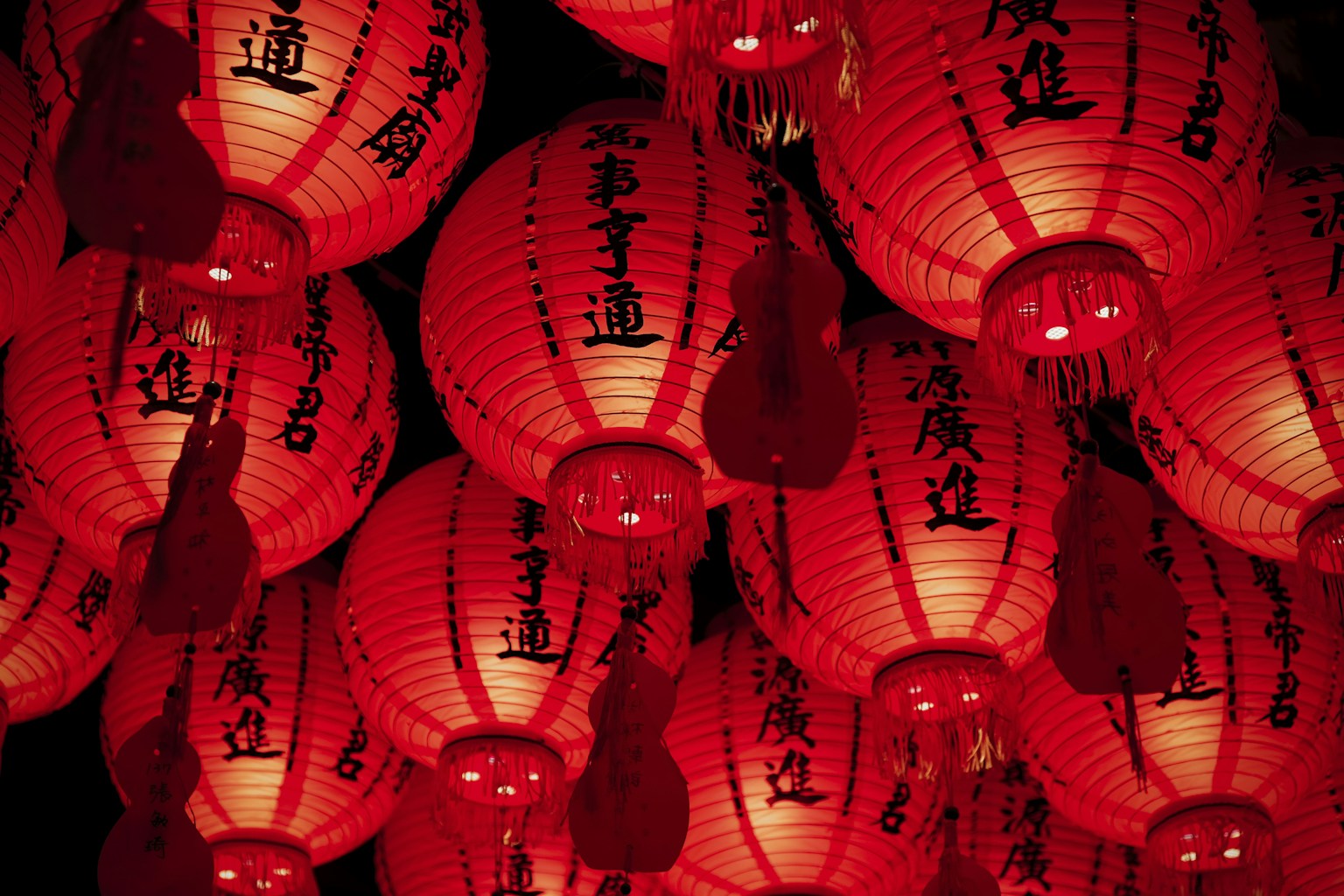
Okinawa runs on its own festival rhythm, and once you know it, planning a family trip around the island’s best days out gets a lot easier. Drum-driven Eisa dancing, giant tug-of-war ropes, and dragon-boat races all happen at kid-friendly times of year.
This calendar sorts the big ones by season so you can match a festival to your travel dates, not the other way around.
The Okinawa Festival Season at a Glance (Quick Answer)

Okinawa’s biggest family festivals are the Okinawa Zento Eisa Festival (Okinawa City, on the weekend that follows the lunar Bon, so late August or early September), the 10,000 Eisa Dancers Parade on Naha’s Kokusai Street (moved out of August to a Sunday in mid-October since 2024 because of the heat), and the Naha Great Tug-of-War (the Sports Day long weekend in October). Dragon-boat Hari races run over Golden Week in early May. Most are free to watch, held outdoors from the afternoon into the evening, and welcome strollers and kids of all ages.
Why Okinawa Festivals Work So Well for Families
Eisa is loud, colorful, and rhythmic, which is exactly what keeps toddlers and tired kids engaged. There’s no ticket gate, no long museum queue, and plenty of room to move.
Most events are free to watch and happen along wide streets or in open parks. That means easy stroller access, snack stalls within reach, and a quick escape route when someone hits their limit.
- Free or cheap: Street parades and races cost nothing to watch.
- Evening timing: Cooler air after the afternoon heat.
- Short attention spans OK: Come and go as you please.
Spring Festivals (March–May)

Spring is warm but not yet brutal, making it a comfortable window for outdoor events with little ones.
Naha Hari Dragon-Boat Races (Golden Week, Early May)
Held over Golden Week at Naha Port’s Shinko Wharf, the Naha Hari features huge painted dragon boats racing in the harbor. The 2026 edition ran 3–5 May with races from around 10:00 each day, school and community crews on the first day, public hari experience rides on the second (minimum height 100cm), and the traditional open races on the last.
One thing to check before you plan around it: organisers cancelled the fireworks and stage shows for 2026, scaled back the food booths and brought the finish forward from 21:00 to 19:00, and confirmed that 2026 was the last Hari at the Shinko Wharf site, with a venue change from 2027. Treat it as a daytime event and confirm the location for the year you travel.
Kids love the drumming and the color, so aim for a shaded spot near the water before the main heats. Cost to watch: Free to watch. Timing: three days over Golden Week (3–5 May), daytime.
Ryukyu Kingdom Season
Spring is also a good time to fold in castle and heritage visits between festivals. If you’re planning a wider Kyushu-plus-Okinawa spring trip, our Kyushu cherry blossom itinerary with kids pairs nicely with an Okinawa add-on.
Summer Festivals (June–August)
Summer still brings neighborhood Bon and Eisa events, but it’s also peak heat and typhoon risk — enough that Naha’s biggest Eisa parade has been pushed out of August entirely in recent years. Plan around the afternoon sun and keep a rainy-day backup ready.
10,000 Eisa Dancers Parade (Moved from August to Mid-October)
This is the one to build a trip around, but check the date carefully, because it is no longer a summer event. It traditionally ran on the first Sunday of August; organisers shifted it to October in 2024 and again in 2025 over heatstroke risk. The 30th edition was held on 20 October 2024 and the 31st on 19 October 2025, 14:00–21:00.
Despite the name, recent editions have been closer to 25 groups and a few hundred dancers spread across several performance points along Kokusai Street in central Naha rather than one 10,000-strong column — the energy is still terrific. Cost: Free to watch. Come early for a curb spot, ideally near a covered arcade for shade, and confirm the current year’s date on the official site before you book flights.
Booking Tickets, Tours & Getting Around
 Top Things to Do in Okinawa
 Instant confirmation for most tickets
Festivals are free, but the extras (aquarium days, glass-bottom boats, monorail passes) fill up fast in summer. It’s worth locking in activities before you fly, especially over Obon and Golden Week.
You can browse and pre-book family activities on Klook’s Okinawa page to skip ticket lines on festival days.
For heat-management strategy that transfers straight from Kyushu, see our guide to air-conditioned rest spots with kids — the same “cool down every two hours” rhythm keeps festival days sane.
Summer Festival Comparison
If you’re deciding between Okinawa and mainland Kyushu for a summer matsuri trip, our Kyushu summer festivals family guide covers the mainland side in detail.
Autumn Festivals (September–November)
Autumn brings cooler evenings and, arguably, the most spectacular Eisa of the year. This is the sweet spot for families who want great weather and big crowds without midsummer heat.
Okinawa Zento Eisa Festival (Late August–Early September)
Held in Okinawa City, home of the all-island Eisa festival since 1956, this three-day event is the largest Eisa festival on the island. The dates move every year because it follows the lunar Bon rather than a fixed date, landing in late August or early September — in 2026 it runs 4–6 September.
Day one is the michijunee street parade around the Goya crossroads in central Okinawa City; days two and three move to the athletics stadium at Koza Sports Park, running roughly 15:00–21:00. The judged-contest format was dropped back in 1977, so groups perform rather than compete, and the finale is a whole-ground kachashi dance followed by fireworks and a drone show.
Cost: Free general viewing (paid reserved seats available) — the upper stand seats are ticketed, while the lawn and the areas around the performance ground are free. Dates and the programme go up on the official festival site each summer.
Naha Great Tug-of-War (Sports Day Weekend, October)
The rope was certified by Guinness in 1995 as the world’s largest straw rope, and it’s stretched across the Kumoji intersection on Route 58 while thousands of people grab the branch ropes and pull. There’s no registration or booking — anyone can join. In 2026 the festival runs 10–12 October, with the tug-of-war itself on the Sunday from about 13:30 to 18:00 and the flag-bearer procession along Kokusai Street the same day.
Cost: Free to watch and join. It’s a hands-on festival, so bring gloves and water — and be realistic about ages, because the crush around the rope gets genuinely dense. There’s no event parking, so come in on the Yui Rail.
Shurijo Castle Restoration Festival (Early November)
Now run as the Shurijo Castle Restoration Festival (Shurijo Fukko-sai), the three-day programme falls on 1–3 November in 2026. The costumed Ryukyu Dynasty Scroll Procession — the headline one — is staged on Kokusai Street in Naha rather than at the castle, while the king-and-queen appearances and the old-style Kotei procession take place at Shuri Castle Park and around Shuri itself.
Timing matters this year: the rebuilt main hall is scheduled for its completion ceremony on 22 November 2026 and opens to the public from 23 November 2026, inside the park’s paid zone. The Kokusai Street procession is free to watch; entering the castle’s paid area is not.
For the mainland equivalent — dragon dances, floats, and processions — our Nagasaki Kunchi family guide is a great companion read.
Winter Festivals (December–February)
Okinawa’s winter is mild (often 16–20°C), so outdoor events keep running. Crowds thin out and hotels get cheaper.
- Cherry blossoms (mid-January to early February): Okinawa’s kanhizakura bloom first in all Japan. The Motobu Yaedake Cherry Blossom Festival ran 17 January–8 February in 2026, and the Nago Cherry Blossom Festival is a late-January or early-February weekend.
- New Year shrine visits: Naminoue Shrine in Naha has a ramped approach and an accessible restroom, but it’s one of Okinawa’s busiest hatsumode spots and its own car park closes over New Year — go very early, or wait until the first few days of January are over.
- Illuminations: Southeast Botanical Gardens runs its tropical illumination from late October right through to late May, so it’s not a holidays-only window.
Winter Eisa is rarer, but sacred night dances elsewhere in Japan capture a similar spirit. If your kids love the drumming, our Takachiho Yokagura night-dance guide is a good next stop.
Okinawa Festival Season Calendar
Use this table to match a festival to your travel dates. Most are free and outdoors.
| Festival | Season / Month | Location | Free to watch? | Best for ages |
|---|---|---|---|---|
| Naha Hari (dragon boats) | 3–5 May (Golden Week), daytime | Naha Port, Shinko Wharf (venue changes from 2027) | Yes | 2+ |
| Okinawa Zento Eisa Festival | Late Aug–early Sept (weekend after the lunar Bon) | Okinawa City | Mostly (paid stand seats) | All ages |
| 10,000 Eisa Dancers Parade | A Sunday in mid-October (moved out of August since 2024) | Kokusai St, Naha | Yes | All ages |
| Naha Great Tug-of-War | October (Sports Day weekend) | Kumoji intersection, Route 58, Naha | Yes | 4+ |
| Shurijo Castle Restoration Festival | Early November | Kokusai St procession + Shuri Castle Park | Street procession yes; castle paid zone no | 5+ |
| Kanhizakura cherry blossoms | Mid-January to early February | Nago / Motobu | Yes | All ages |
Practical Tips for Festival Days with Kids
A few habits make festival days far smoother, especially in the summer heat.
- Arrive early: Shaded curb spots and arcade cover go fast.
- Pack water and a fan: Even evening festivals stay warm.
- Plan a nap buffer: Evening start times can clash with bedtimes.
- Know your exit: Stand near a side street for quick escapes.
- Cash for stalls: Many food vendors don’t take cards.
Where to Stay for Festival Trips
For the Naha-based festivals (Hari, 10,000 Eisa Parade, Tug-of-War), a hotel near Kokusai Street or the monorail line puts you within walking distance and lets you retreat when kids fade.
Festival weekends book out early, so reserve ahead. You can compare family rooms on Agoda’s Okinawa hotels page and filter for monorail-adjacent stays.
Frequently Asked Questions
When is the best time to see Eisa in Okinawa?
The best window is late August through October. The Okinawa Zento Eisa Festival in Okinawa City — the largest — follows the lunar Bon, so it lands in late August or early September (4–6 September in 2026). The 10,000 Eisa Dancers Parade on Naha’s Kokusai Street used to run on the first Sunday of August but was moved to a Sunday in mid-October in both 2024 and 2025 because of the heat, so check the current year’s date before booking.
Are Okinawa festivals free for families?
Most are free to watch. Street events like the 10,000 Eisa Dancers Parade and the Naha Great Tug-of-War cost nothing, though the Zento Eisa Festival sells ticketed upper stand seats while the lawn stays free. The Shurijo Castle Restoration Festival’s Kokusai Street procession is free, but the castle’s paid zone still charges admission. Food and drink from stalls are extra.
Are Okinawa festivals stroller-friendly?
Generally yes. Most take place on wide streets or in open parks with flat ground. Crowds can get dense near the main action, so arrive early for a curb spot with room to park a stroller and step back easily.
What should I pack for a summer festival in Okinawa?
Bring water, a handheld fan, sun hats, cash for stalls, and light rain cover for surprise showers. Evening festivals still run warm and humid, so hydration and a shady standing spot matter more than you’d expect.
Which Okinawa festival is best for toddlers?
The Naha Hari dragon-boat races (early May) and any Eisa parade work well for toddlers. The drumming, color, and movement hold their attention, and you can come and go freely without a ticket gate or seated commitment.
Do I need to book anything in advance for festival trips?
The festivals themselves are free, but hotels near Naha and popular activities (aquarium tickets, boat tours, monorail passes) sell out over Golden Week, Obon, and festival weekends. Book accommodation and paid attractions a few weeks ahead.
Are there festivals in Okinawa in winter?
Yes. Okinawa’s mild winter keeps outdoor events running, and its kanhizakura cherry blossoms bloom from mid-January into early February — the earliest in Japan — around Nago and Motobu. Long-running illuminations and early-morning New Year shrine visits round out the season.
How crowded do Okinawa festivals get?
The big Naha events draw large crowds, especially the 10,000 Eisa Dancers Parade and the Tug-of-War. Arrive 45–60 minutes early for a good spot, and pick a position near a side street so you can slip out with kids when needed.
More Okinawa & Kyushu Stories
Which island, how many days, and when to go — the free guide that gets your Okinawa plan started, from a Fukuoka family who travels Japan’s south with kids.
- ✅A “which Okinawa trip suits us?” chooser — by days, ages & whether you’ll drive
- ✅Main island vs the outer islands — what’s actually worth it with kids
- ✅Instant PDF download — name your price (free), no spam
Beaches, ferries, or the aquarium? It points you to the right deep-dive guide.