
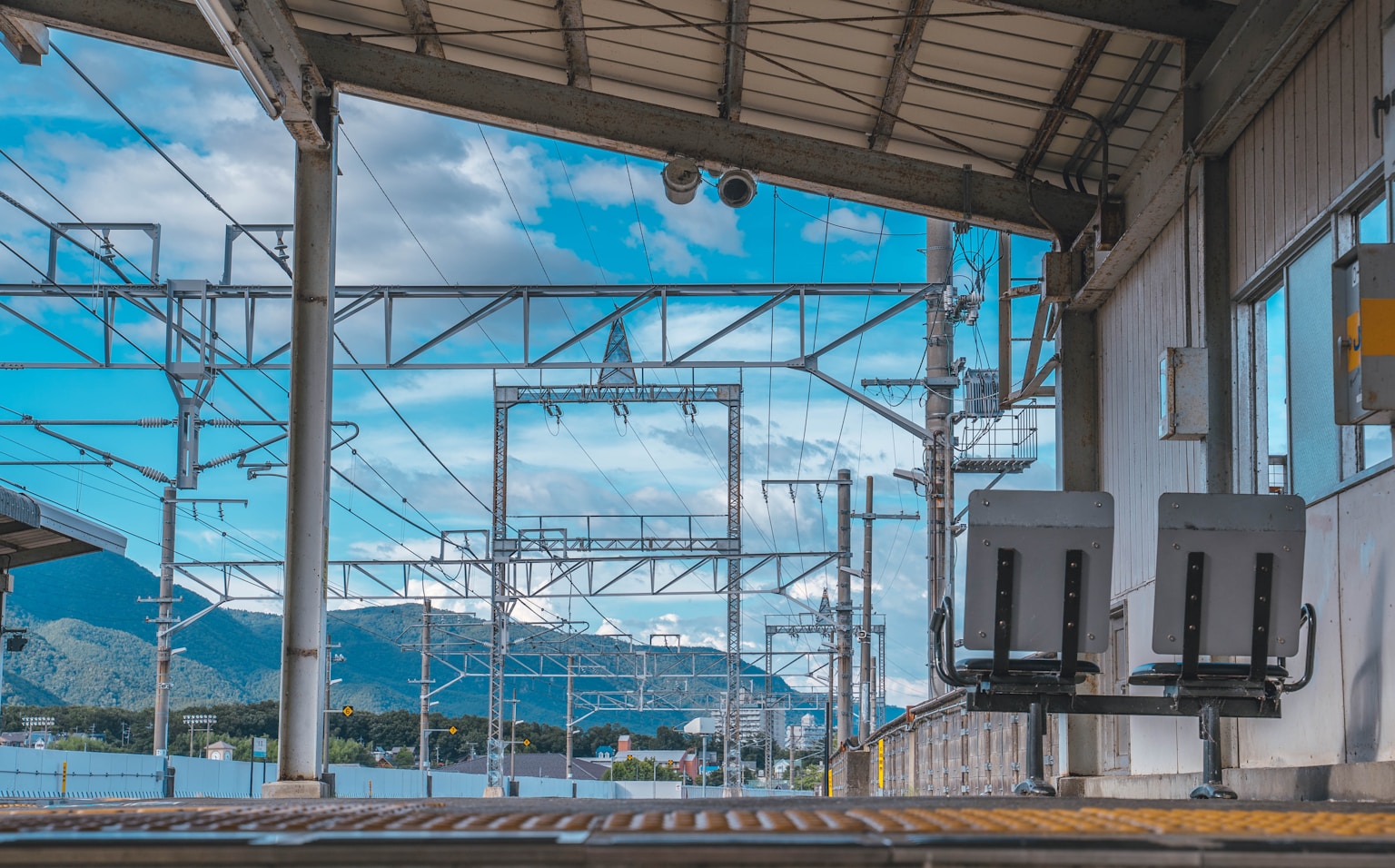
Using IC cards in Fukuoka with kids is one of the easiest ways to make family transport smoother.
For most visitors the questions are simple: which card to buy, whether children need their own card, and if IC beats paper tickets.
The short answer is yes.
IC cards make subway and bus travel much easier when you carry bags, push a stroller, or rush through a station with children.
Quick Answer: Which IC Card Should Families Use in Fukuoka?
Four IC cards circulate in Fukuoka, and all of them work on the same gates. As of our July 2026 check, the practical shortlist looks like this:
- Sugoca is the most local and practical option in Fukuoka
- Suica and Pasmo usually work fine if you already have them
- Children who need reduced fares may need a dedicated child card rather than an adult card
- For most families, IC cards are easier than buying paper tickets every time
A quick cost example: the subway from Fukuoka Airport to Hakata is about ¥260 for adults and roughly half for a child card.
Many central-area buses also run on a flat low fare zone around Hakata and Tenjin. Tapping an IC card means you never count coins for any of it.
Fukuoka IC Card Comparison: Sugoca vs Nimoca vs Hayakaken vs Suica
All four cards are interchangeable on Fukuoka trains, subways, and buses.
So the main differences are who issues them and where you refund the ¥500 deposit when you leave.
| Card | Issued by | Best for | Deposit | Buy / refund at |
|---|---|---|---|---|
| Sugoca | JR Kyushu | Hakata Station & JR lines | ¥500 | JR Kyushu Midori-no-Madoguchi counters (Hakata Station) |
| Nimoca | Nishitetsu | Buses & Nishitetsu trains | ¥500 | Nishitetsu counters (Nishitetsu Fukuoka/Tenjin Station, Hakata Bus Terminal) |
| Hayakaken | Fukuoka City Subway | Airport & subway rides | ¥500 | Subway station offices, incl. Fukuoka Airport & Hakata |
| Suica | JR East | Travellers arriving from Tokyo | ¥500 | JR East (mainly Tokyo area) — not refundable in Fukuoka |
Station counters generally keep commuter-pass hours (roughly 7:00–20:00, shorter on Sundays), so plan child-card registration inside that window.
For most families landing at Fukuoka Airport, Hayakaken or Sugoca are the simplest to buy and refund locally.
If you would rather skip the deposit hassle and lock in transfers and day passes before you fly, book the Fukuoka 1-Day Pass and transport on Klook — a tidy option for a heavy sightseeing day with kids.
Why IC Cards Are Better for Family Travel
IC cards help parents avoid ticket machines, reduce stress at gates, and make short city trips more flexible.
They are especially useful when you switch between subway, bus, convenience stores, and quick station stops.
The same card also pays at konbini, vending machines, and many station coin lockers — handy when you want to stash a bag before a museum stop.
If you are arriving through the airport, pair this guide with our walkthrough of getting from Fukuoka Airport to Hakata and Tenjin with strollers.
Do Kids Need Their Own IC Card?
It depends on age. Fare rules in Fukuoka split children into three simple bands.
Under 6: Usually Free
Pre-school children generally ride free, with up to two infants free per fare-paying adult. They do not need their own card.
Age 6–11: Child IC Card
Elementary-school children pay roughly half the adult fare. To get that discount automatically, they need a registered child IC card.
Age 12 and Up: Adult Fare
From junior-high age, children pay the full adult fare and can tap in with a standard adult card.
Where to Buy and Recharge IC Cards

You can buy and top up IC cards at subway stations, including airport-connected stations, using ticket machines or station counters.
Adult cards come straight out of the machine: pick the IC card menu, choose English, and load ¥1,000 or more (¥500 of it is the deposit).
Child cards are different: they need a quick registration at a staffed counter rather than a vending machine.
Bring the child’s name and age details, and allow about 5–10 minutes at the counter.
Do it before the post-flight rush builds up. A passport is handy as ID, though counters mainly need the child’s name and birth date.
Recharging is easier: any ticket machine, plus most convenience stores, will top up an existing card in cash.
While you sort transport, it is also worth pre-booking data so maps work the moment you land — grab a prepaid SIM or eSIM for airport pickup, since fare and route apps are what make IC travel painless.
When IC Cards Are Most Useful for Families

- Airport to city transfers
- Short subway rides around Hakata and Tenjin
- Rainy-day trips where you may change plans quickly
- Families using buses without wanting to handle exact fares
- Day trips out to Dazaifu on the Nishitetsu line, where you tap through instead of queueing
Common Family Mistakes to Avoid
- Waiting until the station is crowded before learning the machine
- Assuming every child can simply tap in on an adult card
- Running too low on balance before a busy travel day
- Buying a Suica in Tokyo and expecting a deposit refund in Fukuoka
Sort Your Base Before You Tap In
IC cards only make sense once you know where you are travelling to and from each day.
So it pays to settle your hotel first — staying near a subway line in Hakata or Tenjin cuts both fares and walking time with tired kids.
Compare family-friendly Fukuoka hotels on Agoda before you lock in your transport plan.
FAQ: Fukuoka IC Cards with Kids
Can a child IC card be refunded before we fly home?
Yes. Take it to a counter of the issuing operator, and you get the remaining balance plus the ¥500 deposit back, minus a small handling fee if there is a balance left.
Can two children share one IC card?
No. Each fare-paying child needs their own card, because the gate deducts one fare per tap.
Does a Suica or Pasmo from Tokyo work in Fukuoka?
Yes, for riding and shopping across the subway, JR Kyushu, Nishitetsu trains, and most city buses. Only the deposit refund is tied back to JR East in the Tokyo area.
Can I use Apple Pay or a phone instead of a plastic card?
Adults can add a mobile Suica or ICOCA to a supported phone and tap with it. Child fares still require a physical registered child card.
What happens if the balance runs out mid-journey?
Nothing dramatic. Use the fare-adjustment machine just inside the exit gates to top up, then tap out normally.
Related Family Transport Guides
For deciding whether public transport beats a cab on a given day, see when taxis actually make sense with small children.
If you are still choosing a base, compare Hakata vs Tenjin vs Momochi for families before you book.
Final Take
For most families in Fukuoka, IC cards are the easiest default for everyday city transport.
They save time, reduce friction, and make it much easier to move through the city with kids.
A relaxed, ready-to-use plan from a Fukuoka family who actually lives here — instant PDF, name your price (free).
- ✅A gentle day-by-day Fukuoka plan — ramen, parks, one easy day trip
- ✅Tap-to-open Google Maps for every stop, plus where to stay & family tips
- ✅Instant PDF download — no spam, yours to keep
Planning the whole island? The full 7-day Kyushu itinerary is inside.
Want the whole trip mapped out? This is our complete 7-day Kyushu loop, done for you — the exact route a Fukuoka family runs with their own kids.
- ✓Day-by-day plan — what to do, in what order, at a kid-friendly pace
- ✓Named hotels & booking links — where to sleep each night, no rabbit-holes
- ✓Packing & prep checklists — arrive sorted, not scrambling
Instant PDF · written by locals · hours of planning, done