
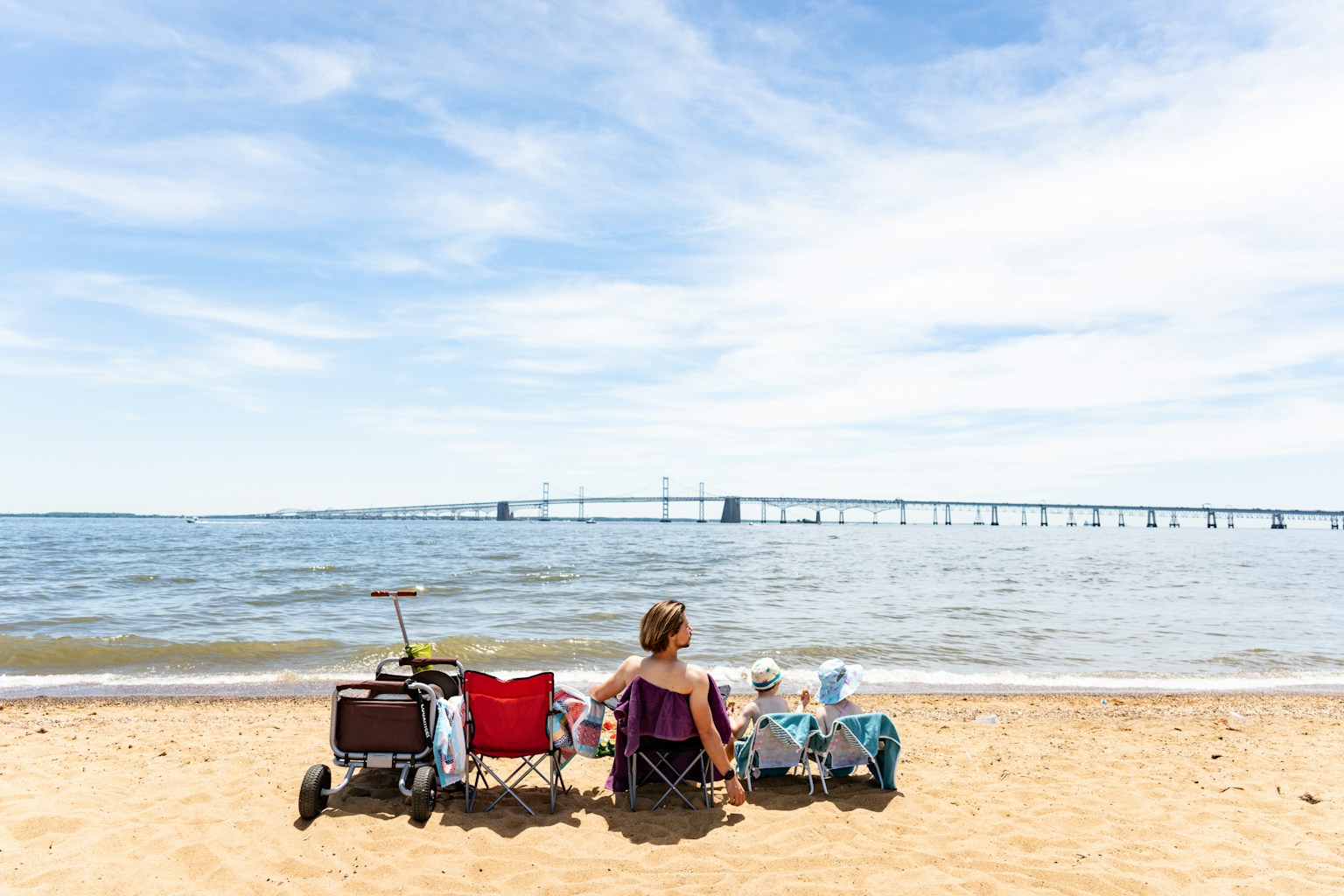
Okinawa gets sold as a party of snorkeling, ziplines and long beach days—none of which your 8-month-old cares about. But it is genuinely one of the easier tropical trips to do with a baby, as long as you plan around naps, heat and feeding rather than sightseeing checklists. This is the honest version: what actually works, what we’d skip, and where the friction hides.
Is Okinawa Good for a Baby? (Quick Answer)
Yes—Okinawa is one of Japan’s most baby-friendly destinations. Domestic flights are short (2.5–3 hrs from Tokyo), rental cars come with cheap car seats, konbini and drugstores stock formula and diapers everywhere, and shopping malls and the aquarium have clean nursing rooms with hot water. The main challenges are heat and sun, not logistics. Aim for a relaxed base near Onna or Naha, one activity a day, and everything else falls into place.
Best Time to Visit Okinawa with a Baby

Babies overheat fast, so the calendar matters more than it does for older kids. Peak summer (July–August) means 32°C, brutal UV and sweaty naps—doable, but you’ll live in air conditioning.
- Best overall: late October to early December and March–April. Warm, calm, thin crowds, and gentle sun for baby skin.
- Swimmable but hot: May–September (many hotel pools and beaches open; jellyfish nets go up in summer).
- Quietest: January–February—cool for the beach but lovely for the aquarium and parks, and it’s whale season offshore.
If you want the month-by-month breakdown, our month-by-month guide to the best time to visit Okinawa lays out weather and what’s open. For sun logistics with a baby, the summer-with-kids guide covers jellyfish nets and pool backups.
Getting Around: Rent a Car, Skip the Buses

With a baby, a rental car isn’t a luxury—it’s the whole trip. You control the AC, nap on the move, and never wrestle a stroller onto a crowded bus. Rental agencies rent infant and toddler car seats for a few hundred yen a day; reserve the seat in advance because supplies run out in high season.
Okinawa’s buses technically work but are slow, infrequent outside Naha, and painful with a stroller and diaper bag—see our honest take on when Okinawa buses work (and when they don’t). The Yui Rail monorail in Naha is stroller-friendly and useful if you’re staying in the city, but for the north (Churaumi, Onna resorts) you’ll want wheels. Book the car and seat together through Klook’s Okinawa activities and car rental so the child seat is locked in before you land.
Where to Stay with a Baby
Base choice decides how tired you get. With a baby you want a short drive to a beach or pool, a room big enough for a crib, and food within stumbling distance for those 5 p.m. meltdowns.
- Onna resort strip: beachfront hotels with kids’ pools, in-house restaurants and cribs on request—least walking, best for 0–2.
- Naha (near the monorail): convenient for a short stay, drugstores and family restaurants everywhere, easy airport access.
- Chatan / American Village: walkable, flat, lots of casual food—good middle ground.
Most hotels provide a baby bed if you request it at booking; connecting or family rooms save your sanity. Our guide to family hotels in Naha near the monorail and the best hotel kids’ pools both flag which properties do cribs and shallow pools well.
Nursing, Diapers and Feeding on the Road
This is where Okinawa quietly shines. Major shopping malls (San-A, AEON), the aquarium, and big parks all have clean nursing rooms with hot-water dispensers, changing tables and sometimes microwaves. Konbini and drugstores stock Japanese formula, baby food pouches, diapers and wipes islandwide—so you can pack light and buy on arrival.
- Formula: if your baby is fussy about brands, bring a few days’ supply and buy Japanese formula (like Meiji or Wakodo) to bridge.
- Baby food: pouches and jars are easy to find; restaurants happily provide hot water and small bowls.
- Changing: mall and department-store nursing rooms are your best bet on hot days—they’re air-conditioned and private.
We mapped the reliable spots in our nursing rooms and diaper stations guide. Keep a mental list of the nearest mall wherever you’re headed—it doubles as an AC escape and a feeding stop.
Strollers vs Carriers: Bring Both
Okinawa’s terrain is a mixed bag for wheels. Malls, the aquarium and paved parks are smooth; beaches, older sidewalks and the coral paths on small islands are not. A lightweight, foldable stroller handles pavement; a soft carrier saves you on sand, ferries and anywhere with steps.
Heat is the real stroller enemy—dark canopies turn into ovens, so add a clip-on fan and a breathable liner. Our stroller guide for Okinawa covers beach-versus-pavement realities and exactly what to pack, and the full Okinawa packing list has the baby-specific add-ons (rash guard, reef-safe sunscreen, extra shade).
Baby-Friendly Things to Actually Do
Forget the adventure brochure. With a 0–2 year old, aim for one calm, air-conditioned or shaded outing per day and build naps around it.
- Churaumi Aquarium: the gold-standard rainy-day and hot-day outing. Stroller-friendly, indoors, nursing rooms on site, and babies stare happily at the big tank. Entry is Adults ¥2,180, high school ¥1,440, elementary/junior high ¥710, under 6 free, open 8:30–18:30 (last entry 17:30); 8:30–20:00 Apr 25–May 6 and Jul 18–31, 8:30–21:00 through August; no scheduled closing days through March 2027. See our complete Churaumi guide.
- Okinawa Zoo & Museum (Kodomo no Kuni): shady, gentle, stroller-friendly loops—entry Ages 16+ ¥1,000, 15 and under free; student discount (high school/college with ID) ¥500. Wonder Museum extra: adults ¥200, ages 16–18 ¥100, 15 and under free.
- Emerald Beach & calm bays: shallow, netted swim areas near Churaumi are perfect for dipping tiny feet in the morning before the sun peaks.
- Hotel pool mornings: honestly the best value with a baby—short, shaded, and steps from your room.
Skip the boats, blue cave snorkeling and ziplines until they’re older—those come with age limits anyway. If you want the broader menu sorted by age and weather, our things-to-do-by-age guide and the overall ultimate Okinawa family guide are the hubs to bookmark.
Sun, Heat and Safety for Under-2s
A baby’s skin burns fast, so treat the sun like the main hazard it is. Keep beach time to before 10 a.m. and after 4 p.m., use a UPF rash guard plus a wide-brim hat, and apply reef-safe sunscreen only where clothing doesn’t cover (under 6 months, shade and clothing over cream).
- Hydration: offer feeds more often than at home—heat dehydrates babies quickly.
- Jellyfish: stick to netted swim zones in summer; the nets exist for a reason.
- AC breaks: plan a midday indoor block (mall, aquarium, room nap) every single day.
Okinawa has clinics and hospitals with some English support if a fever hits mid-trip; note the nearest one to your base before you need it. Travel with your baby’s usual fever meds since dosing brands differ in Japan.
A Realistic 4-Day Rhythm
The trick is under-planning. Here’s the pace that actually holds up with a baby:
- Day 1: Arrive Naha, pick up car + seat, easy dinner near the hotel, early night.
- Day 2: Drive north to Onna, pool morning, nap, short beach at sunset.
- Day 3: Churaumi Aquarium (open at 8:30 to beat crowds), lunch nearby, drive back for a nap.
- Day 4: Slow morning, mall for last-minute baby supplies, fly out.
That’s it. One anchor activity a day, everything else flexible. If you have longer, the 4-day family itinerary stretches naturally into a week without adding stress.
Frequently Asked Questions
Is Okinawa safe to visit with a newborn?
Yes, with sensible precautions. The bigger issues are sun and heat, not safety—Okinawa is calm, clean and well-stocked with baby supplies. For under-6-month-olds, prioritize shade, clothing and frequent feeds over any beach ambitions, and pick a shoulder-season month if you can.
Do I need to bring a car seat?
No—rental car agencies rent infant and toddler seats for a few hundred yen per day. Reserve the seat when you book the car, especially in summer when they run out. Japanese law requires car seats for children under six.
Can I buy formula and diapers in Okinawa?
Easily. Drugstores, konbini and supermarkets across the island stock Japanese formula, baby food pouches, diapers and wipes. If your baby is picky about a specific formula brand, bring a few days’ worth and transition to a local brand like Meiji or Wakodo.
Are there nursing rooms in Okinawa?
Yes—shopping malls (San-A, AEON), Churaumi Aquarium and large parks have clean, air-conditioned nursing rooms with hot water and changing tables. They double as heat-escape stops, so learn where the nearest mall is wherever you’re headed.
What’s the best month to visit Okinawa with a baby?
Late October to early December and March–April are ideal: warm, calm and gentle on baby skin with thin crowds. Peak summer is doable but hot, meaning you’ll rely heavily on pools and air conditioning during the middle of the day.
Should I bring a stroller or a baby carrier?
Bring both. A lightweight stroller handles malls, the aquarium and paved parks; a soft carrier is better for sand, ferries, small-island coral paths and anywhere with steps. Add a clip-on fan for the stroller—Okinawa’s heat turns closed canopies into ovens.
How many activities should I plan per day?
One. With a 0–2 year old, plan a single anchor outing—aquarium, pool or a short beach—and build naps and AC breaks around it. Over-scheduling is the fastest way to a meltdown for both baby and parents.
Is the beach okay for babies in Okinawa?
Yes, in the right conditions: shallow netted swim zones, early morning or late afternoon only, with a rash guard, hat and shade. Avoid midday sun entirely, and in summer stay inside the jellyfish nets.
Which island, how many days, and when to go — the free guide that gets your Okinawa plan started, from a Fukuoka family who travels Japan’s south with kids.
- ✅A “which Okinawa trip suits us?” chooser — by days, ages & whether you’ll drive
- ✅Main island vs the outer islands — what’s actually worth it with kids
- ✅Instant PDF download — name your price (free), no spam
Beaches, ferries, or the aquarium? It points you to the right deep-dive guide.