
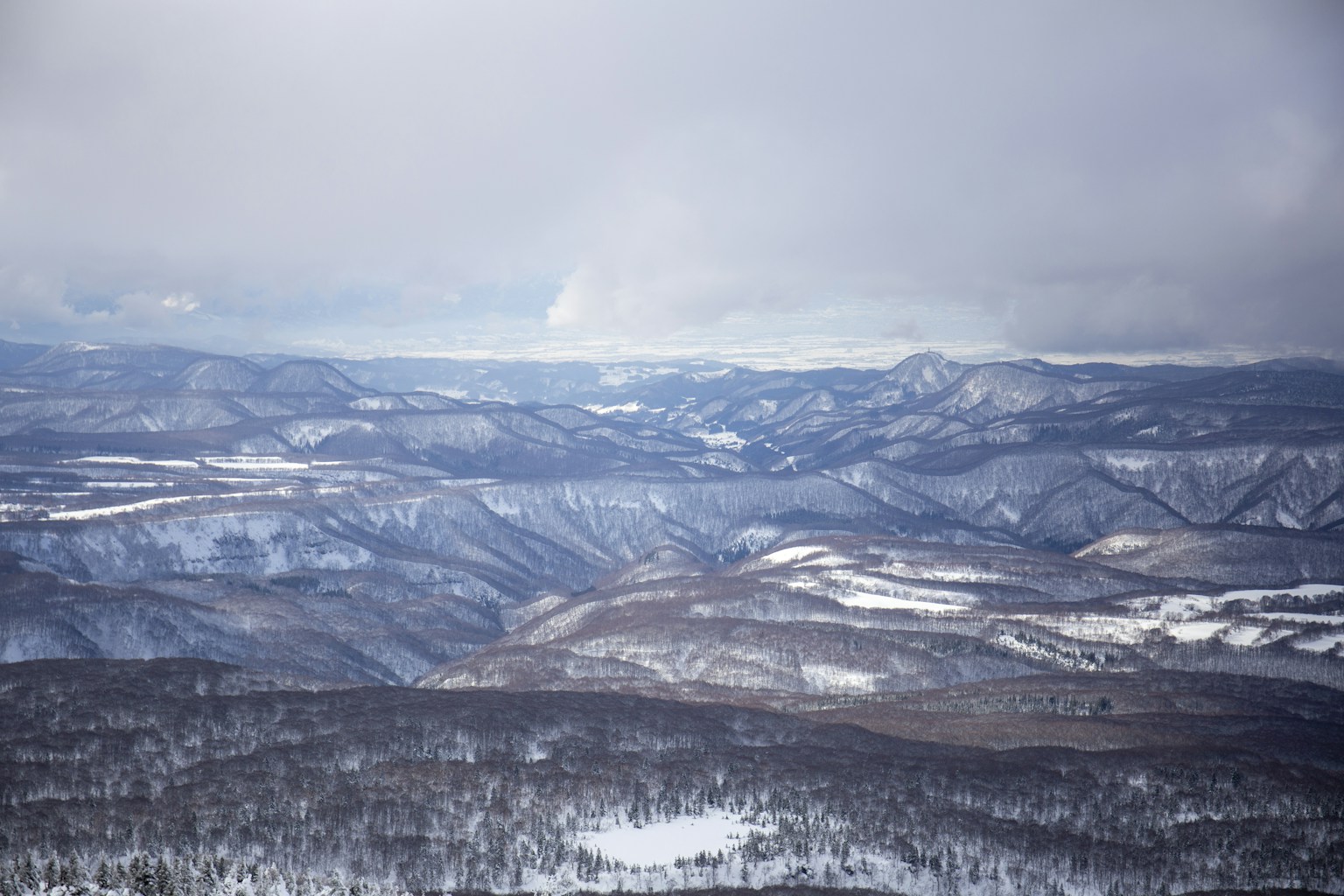
“Does it snow in Kyushu?” is the question families ask most often when they start planning a winter trip here. The honest answer surprises people on both sides.
If you are hoping for snow, Kyushu will probably disappoint you. If you are worried about snow ruining your trip, you can mostly stop worrying.
The island is Japan’s warmest, and its cities see snow the way London does: a few times a winter, briefly, and rarely enough to settle.
But “mostly” is doing some work in that sentence, because the highlands have a genuinely different climate.
This guide explains where snow actually falls in Kyushu, how often, what it means for travelling with children, and exactly how warmly to pack.
Does It Snow in Kyushu? (Quick Answer)
Yes, but only a little. Snow falls in Fukuoka and Kyushu’s other cities on just a handful of days each winter, almost always in January or February.
City snow rarely settles for more than a few hours. Fukuoka, Nagasaki and Kagoshima see occasional flurries during cold snaps, and daily travel carries on as normal.
The highlands are different. Aso, Kuju and the mountains around Kurokawa get real, settling snow and icy roads from late December through February.
Why Kyushu Gets So Little Snow
Kyushu is Japan’s southernmost main island. It sits at roughly the same latitude as North Africa or the American Carolinas.
Winter here is shaped by cold air sweeping down from the Asian continent. By the time that air reaches Kyushu, it has crossed a long stretch of relatively warm sea and lost most of its bite.
That is why the island’s winter looks nothing like the snow-country image many visitors have of Japan. The deep-snow regions, Hokkaido and the Japan Sea coast of Honshu, sit far to the north and catch a completely different weather pattern.
In Kyushu, the same cold fronts arrive as a day or two of grey skies and a sharp drop in temperature. Sometimes they bring a scatter of flakes that melts on contact.
Where Snow Actually Falls: A Region-by-Region Guide
Elevation matters far more than latitude within Kyushu. A hundred kilometres inland and eight hundred metres up is a different winter entirely.
| Area | Snow reality | Affects your trip? |
|---|---|---|
| Fukuoka, Hakata | Flurries a few days per winter; settling snow unusual | Almost never |
| Nagasaki, Kumamoto city | Similar to Fukuoka; occasional dusting | Almost never |
| Kagoshima, Miyazaki | The mildest areas; snow is rare even as flurries | No |
| Yufuin, Beppu (mid-elevation) | Occasional light settling snow in midwinter | Rarely; adds atmosphere to onsen |
| Aso, Kuju, Kurokawa (highlands) | Real snow and ice, repeatedly, Dec–Feb | Yes, if you are driving |
When Snow Is Most Likely
The window is narrow. Late December can deliver an early cold snap, but January is the peak month for snow across Kyushu, with February close behind.
By March, settling snow is essentially over, even in the highlands.
Snow here arrives with cold fronts rather than as a steady season. A typical pattern is two or three days of sharply colder weather with flurries, then a return to ordinary winter.
This is why forecasts matter more than averages. Check the week before you travel, not the month.
The Exceptions: When Kyushu’s Cities Did Get Real Snow
Rare does not mean never. In late January 2016, a powerful cold wave pushed snow across the whole of Kyushu.
Nagasaki city recorded 17 cm of snow, its deepest on record, and flakes were even observed on subtropical Amami Oshima for the first time in over a century.
Events like that happen perhaps once in a decade or two. They are a reason to glance at the forecast before you fly, not a reason to pack snow boots.
What It Means for Travelling with Kids
For a city-based family trip, snow is a non-issue and occasionally a bonus. Trains run and attractions open.
A light dusting on Kumamoto Castle is a lovely thing your children will remember.
- Trains: Shinkansen and local lines run through Kyushu winters normally. Heavy cold snaps can cause delays, rarely cancellations.
- Driving in the highlands: This is the real consideration. Roads around Aso, Kuju and Kurokawa ice over, and rental cars in these areas carry winter tyres as standard through the season. Check conditions the morning you set out, and keep a city-based plan B for the day.
- Footwear: City pavements can be slick on a cold morning even without accumulation. Grippy shoes matter more than waterproof boots.
- If your kids want snow: Be honest with them in advance. Promising snow in Fukuoka sets up a disappointment. The highlands in January are your best shot, and even then it is not guaranteed.
Where you sleep shapes how much the weather matters. If Aso or Kurokawa is on the itinerary, a base in a train-connected city or onsen town turns an icy road into a simple change of plan.
Our guide to choosing a winter-proof base in Kyushu, for road trips or train travel compares the options before you book.
 Kid-Friendly Onsen Stays in Kyushu
How Cold Does Kyushu Actually Get?
Cold enough for a proper coat, not cold enough for extreme winter gear.
The Fukuoka figures below are typical values based on Japan Meteorological Agency 1991–2020 climate normals. Highland figures are approximate for elevations around Aso. Treat both as a planning baseline, not a forecast.
| Month | Fukuoka high / low | Highlands (approx.) |
|---|---|---|
| December | 13°C / 5°C (55°F / 41°F) | 7°C / −1°C (45°F / 30°F) |
| January | 10°C / 3°C (50°F / 37°F) | 4°C / −4°C (39°F / 25°F) |
| February | 11°C / 4°C (52°F / 39°F) | 5°C / −4°C (41°F / 25°F) |
For context, that makes a Fukuoka winter roughly comparable to Rome or Atlanta, and distinctly milder than Tokyo. If your dates fall in the second half of winter, our guide to February weather and plum blossoms in Fukuoka shows what that looks like day to day.
Month-by-month plans for each of these are in our guides to Kyushu in December and Kyushu in January and February.
What to Pack for a Kyushu Winter with Kids
 Stay Connected in JapanPre-book your SIM, eSIM, or Pocket WiFi for airport pickup.
One thing to sort before the clothes: mobile data. On a cold-snap morning you will want live weather warnings, JR Kyushu delay notices and highland road reports on your phone before you commit to a drive.
Pack for a cold city, then add one highland layer if the mountains are on the itinerary.
The single most common mistake is over-packing bulky snow gear that never leaves the suitcase.
- A proper insulated coat per person. Not a snow parka — a normal warm winter coat.
- Mid-layers: fleece or light down, so you can strip down indoors. Japanese shops, trains and restaurants are heated hard, and overdressed children overheat within minutes.
- Thermal base layers for kids if you are doing highland days or early starts.
- Hats, gloves, scarves: essential in January, optional in a mild December.
- Grippy, comfortable shoes. Waterproofing helps; heavy snow boots are overkill for a city trip.
- Slip-on styles for onsen towns and ryokan, where shoes come off constantly.
- Moisturiser and lip balm. Cold air plus hard heating is rough on small faces.
Leave behind: snow pants, snow boots, and heavy-duty ski gloves, unless you are specifically going to a highland resort in January.
Our Kyushu layering guide applies the same logic to the shoulder season.
Packed for the cold? The next decision is where to warm up at night. A winter onsen town with an indoor family bath makes a chilly day the best part of the trip, so compare the best Kyushu bases for a cold-weather family trip before rooms fill up for the winter holidays.
Can You See Snow in Kyushu If You Want To?
Yes, with planning and a tolerance for uncertainty. The Aso and Kuju highlands in January are the most reliable place in Kyushu to find settled snow.
A clear, cold morning up there with snow on the caldera is genuinely spectacular.
But treat it as a bonus rather than the reason for the trip. If seeing snow is the point of your family holiday, Kyushu is the wrong island, and you would be better served heading north.
If you want a mild winter trip with hot springs, low crowds and the chance of a pretty dusting, this is exactly the right place.
Our Fukuoka winter activities guide covers what fills a cold day either way.
Winter Onsen Stays: Where a Dusting of Snow Is the Best Case
For most families, the best way to enjoy Kyushu’s cold season is not chasing snow but soaking in it. Steam rising from an outdoor bath on a frosty evening is the Kyushu winter at its finest.
- Beppu and Yufuin: mid-elevation onsen towns reachable by train from Fukuoka. Light snow is occasional, and roads rarely cause problems.
- Kurokawa and the Aso area: the most atmospheric winter scenery, but reached by highland roads that ice over. Plan these nights around a car with winter tyres and flexible dates.
- With young children: look for rooms with a private or reservable family bath, so nobody has to walk a cold corridor between the bath and bed.
Whichever you choose, compare locations in our guide to where to stay in Kyushu with kids, and use the January and February planning guide to time your onsen nights.
Frequently Asked Questions
Does it snow in Fukuoka?
Occasionally. Fukuoka sees snow flurries a handful of days each winter, mostly in January and February during cold snaps, but accumulation is unusual and usually melts within hours. It is not a city where snow affects daily travel.
How often does it snow in Kyushu?
In the cities, only a few days per winter, and settling snow is rarer still. In the highlands around Aso, Kuju and Kurokawa, snow falls repeatedly from late December through February and does settle, along with road ice.
When is the snow season in Kyushu?
January is the peak month, with February close behind and late December possible during an early cold snap. By March, settling snow is essentially finished even at elevation.
Which part of Kyushu gets the most snow?
The inland highlands. The Aso caldera rim, the Kuju mountains and the Kurokawa onsen area see settling snow most winters, while the coastal cities of Fukuoka, Nagasaki and Kagoshima rarely do.
Is Kyushu cold in winter?
Cool rather than cold by Japanese standards. Fukuoka averages highs near 10–13°C (50–55°F) through winter with lows a few degrees above freezing — milder than Tokyo and much milder than northern Japan. The highlands drop below freezing overnight.
Do I need snow boots in Kyushu?
Not for a city-based trip. Grippy, comfortable walking shoes are enough, ideally water-resistant. Only consider proper snow footwear if you are spending January days in the Aso or Kuju highlands.
Will snow disrupt trains in Kyushu?
Rarely. Shinkansen and local lines run normally through Kyushu winters, and heavy cold snaps cause occasional delays rather than cancellations. Mountain roads are the part of the network that genuinely closes.
Where can I take my kids to see snow in Kyushu?
The Aso and Kuju highlands in January offer the best chance of settled snow, though it is never guaranteed. Set expectations with children in advance — Kyushu is a mild-winter destination, and promising snow in the cities usually ends in disappointment.
Where should we stay in Kyushu in winter with kids?
A train-connected base such as Fukuoka, Beppu or Yufuin keeps winter weather from disrupting your plans, while Kurokawa and Aso suit families driving with winter tyres. See our Kyushu family base guide for a side-by-side comparison.
Is Kyushu warmer than Tokyo in winter?
Yes, by several degrees, with far less chance of settled snow. Kagoshima and Miyazaki in the south are milder again, making them a good option if you want the gentlest possible Japanese winter with young children.
More Kyushu Stories
- Kyushu with Kids: The Complete Family Travel Guide (2026)
- Visiting Kyushu in October and November with Kids
Where to Stay in FukuokaNot sure where to begin? This free guide helps you pick the right Kyushu trip for your family — from a Fukuoka family who actually lives here.
- ✅A simple “which trip suits us?” chooser — by days, ages & interests
- ✅Snapshots of all 7 prefectures — what’s actually worth it with kids
- ✅Instant PDF download — name your price (free), no spam
Onsen, rail, or a full itinerary? It points you to the right deep-dive guide.