
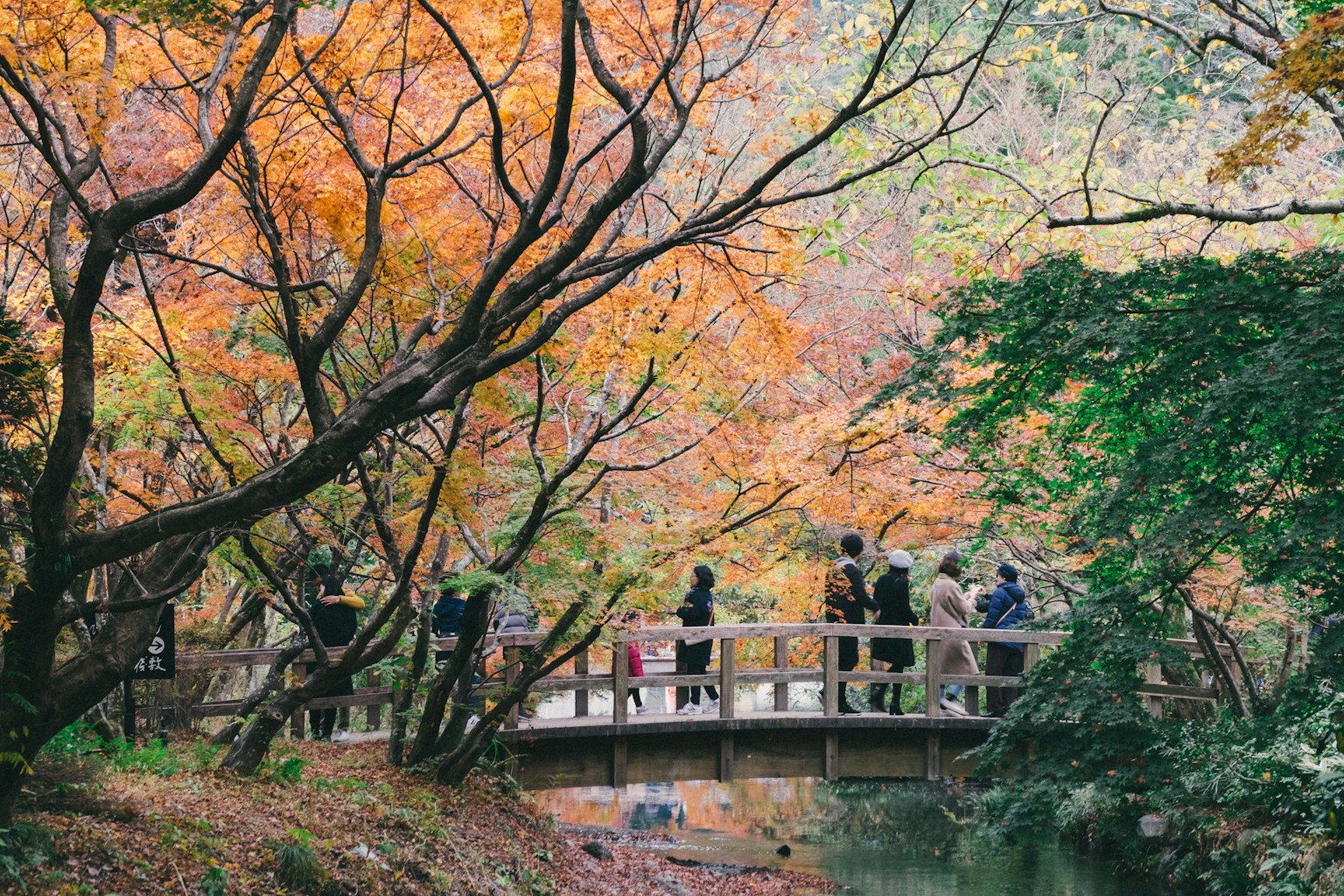
The single biggest packing mistake families make in Kyushu in autumn is dressing for one temperature.
“Autumn” here stretches from the tail end of summer heat in September to near-freezing highland mornings in late November.
The gap between a warm Fukuoka afternoon and a dawn start on the Aso plateau can be 15°C or more on the same day.
This is a layering season, not a single-jacket season.
This guide is a month-by-month, kid-focused packing list for a family trip to Kyushu between September and November.
It covers what Honshu-based packing advice always misses: what onsen towns actually require, how to handle lingering typhoon-season rain, and how cold the mountains really get.
Still deciding when to come? Pair this with our month-by-month guide to Kyushu in October and November.
What to Pack for Kyushu in Autumn with Kids (Quick Answer)
Pack in layers built around the month.
September is still hot and humid — summer clothes plus a serious rain jacket for typhoon season.
October is mild — short sleeves for daytime, a light fleece for evenings.
November turns cold, especially inland — warm mid-layers and a proper coat.
Add hats and gloves for kids if you’re heading to the highlands or onsen towns.
Autumn Weather in Kyushu: Why Layers Matter
Two variables drive everything you pack: the month, and the elevation.
The temperature figures below are typical Fukuoka values based on Japan Meteorological Agency (JMA) climate normals.
Treat them as a planning baseline, not a forecast.
- Lowland cities (Fukuoka, Nagasaki, Kumamoto city): Warm in September, mild in October, cool-but-manageable in November.
- Highlands and onsen towns (Aso, Kuju, Kurokawa, Yufuin, Kirishima): Run roughly 5–8°C colder than the cities. Late-November mornings up here can approach freezing even when Fukuoka is still comfortable.
If your trip mixes a city base with highland day trips — which most Kyushu family trips do — you need to pack for both at once.
That’s the whole game.
What to Pack for Kyushu in September with Kids
September is still summer in disguise.
Daytime highs sit around 30°C (86°F) early in the month, easing toward the high 20s by late September, with high humidity.
It is also the peak of typhoon season, so rain gear is not optional.
- Clothing: Short sleeves, breathable fabrics, sun hats. Same as midsummer for daytime.
- Rain: A proper packable rain jacket per person (umbrellas are useless in typhoon wind), plus quick-dry shoes.
- Sun and heat: Sunscreen, a refillable water bottle, and a small cooling towel for kids.
- Buffer plan: Build flexibility into early-autumn dates — our guide to typhoon season in Kyushu covers how to rework a day if a storm approaches.
What to Pack for Kyushu in October with Kids
October is the easiest month to pack for.
Fukuoka highs are around 24°C (75°F) early on, easing into the low 20s, with lows near 15–17°C (60–63°F).
Expect warm afternoons, cool evenings, and much lower typhoon risk after mid-month.
- Daytime: Short sleeves or a light long-sleeve top.
- Evenings: A light fleece or jacket for each person.
- Highland day trips: Add a warmer layer — Aso and Kuju are already noticeably cooler than the city.
- Footwear: Comfortable walking shoes for temple paths and gorge walkways, which are the heart of autumn sightseeing.
What to Pack for Kyushu in November with Kids
November is the cold-shift month.
Fukuoka highs drop to around 18°C (65°F) with morning lows near 9–11°C (48–52°F), and the second half is colder than the first.
The highlands are a different world — pack as if you’ll see near-freezing mornings, because you might.
- Base layers: Long sleeves and a warm mid-layer (fleece or light down) for every family member.
- Outer layer: A proper insulated jacket, especially for mornings and evenings.
- Highlands and onsen towns: Add beanies, gloves, and thermal base layers for kids — mornings near Aso, Kuju, and Kurokawa bite.
- Foliage days: The autumn leaves peak now; a warm layer means kids last longer on the walking paths. See our guide to autumn foliage spots across Kyushu for where and when.
Buying cold-weather gear before you fly? Sort your Japan connectivity in the same shop — pick up an eSIM or Pocket WiFi so maps and weather work the moment you land.
 Stay Connected in JapanPre-book your SIM, eSIM, or Pocket WiFi for airport pickup.
The Onsen Town Packing List
Autumn is peak onsen season, and towns like Kurokawa, Yufuin, and Beppu have their own packing logic that trips up first-time families.
A few things worth throwing in the bag:
- Swimwear for family baths: Many family-friendly private baths (kashikiri) and mixed kids’ facilities allow or require swimwear — handy for shy older kids.
- A change of clothes per onsen day: Kids get damp; a spare set saves the evening.
- Slip-on shoes: Ryokan and baths mean constant shoe-off/shoe-on. Slip-ons beat laces with small children.
- Warm layer for after the bath: Walking back to your room through a cold highland courtyard is when kids catch a chill.
New to onsen with children?
Our onsen etiquette guide for families and the broader Kyushu family onsen guide cover the rules and which towns work best with young kids.
Autumn fills Oita’s onsen ryokan fast, and the foliage crowds build through November. If a soak in Yufuin or Beppu is on the plan, book your Oita onsen stay early before the best family rooms sell out.
Rain and Typhoon Gear
Early autumn still carries real rain risk, and Kyushu gets its share.
Even in October and November, a passing front can soak a day, so a compact rain layer stays in the bag all season.
- Packable rain jackets for everyone (not umbrellas, which fail in wind).
- Quick-dry footwear or a spare pair of shoes for kids.
- A dry bag or zip pouches for phones, passports, and IC cards.
Family Packing Checklist by Month
A quick reference for what earns its place in the bag each month.
Highlands always run colder than these city-based figures, so pack up a notch for Aso, Kuju, and Kurokawa.
| Item | September | October | November |
|---|---|---|---|
| Short sleeves / breathable tops | Essential | Daytime | Base layer |
| Light fleece / jacket | Evenings | Essential | Essential |
| Warm insulated coat | No | Highlands only | Essential |
| Hats & gloves for kids | Sun hat | No | Highlands / onsen towns |
| Packable rain jacket | Critical (typhoon) | Recommended | Optional |
| Comfortable walking shoes | Yes | Yes | Yes |
Frequently Asked Questions
What should I pack for Kyushu in autumn with kids?
Pack in layers matched to the month: summer clothes plus rain gear in September, light layers in October, and warm mid-layers with a proper coat in November. Add hats and gloves for kids if you’re visiting the highlands or onsen towns, where mornings get much colder.
Is September still hot in Kyushu?
Yes. Early September highs are around 30°C (86°F) with high humidity, easing only slightly by late month. It still feels like summer during the day, so pack short sleeves — but add a serious rain jacket, because it’s peak typhoon season.
Do I need a coat in Kyushu in November?
In lowland cities, a warm jacket for mornings and evenings is enough. If you’re heading to the highlands or onsen towns like Kurokawa, Aso, or Yufuin, bring a proper insulated coat — mornings there can approach freezing late in the month.
What should kids wear to an onsen town in autumn?
Warm, easy layers and slip-on shoes for constant shoe changes. Pack swimwear for family or private baths that allow it, a spare change of clothes per onsen day, and a warm layer for walking back to your room through cold courtyards.
Do I need rain gear for autumn in Kyushu?
Yes, all season. September is peak typhoon season, and passing fronts can soak a day even in October and November. Pack a packable rain jacket per person rather than umbrellas, which fail in wind, plus quick-dry shoes.
How cold do the Kyushu highlands get in November?
Highland areas like Aso, Kuju, and Kurokawa run roughly 5–8°C colder than Fukuoka and can approach freezing at dawn late in November, even when the cities are still mild. Pack thermal base layers, gloves, and beanies for children.
What shoes are best for autumn in Kyushu with kids?
Comfortable, closed walking shoes. Autumn sightseeing means uneven temple paths and gorge walkways, and onsen towns mean frequent shoe removal — slip-on styles are easiest with small children. Add quick-dry options for rainy days.
More Kyushu Stories
- Kyushu with Kids: The Complete Family Travel Guide (2026)
- Kyushu Family Itineraries: How to Plan 3 to 7 Days with Kids
 Where to Stay in Fukuoka
Not sure where to begin? This free guide helps you pick the right Kyushu trip for your family — from a Fukuoka family who actually lives here.
- ✅A simple “which trip suits us?” chooser — by days, ages & interests
- ✅Snapshots of all 7 prefectures — what’s actually worth it with kids
- ✅Instant PDF download — name your price (free), no spam
Onsen, rail, or a full itinerary? It points you to the right deep-dive guide.