
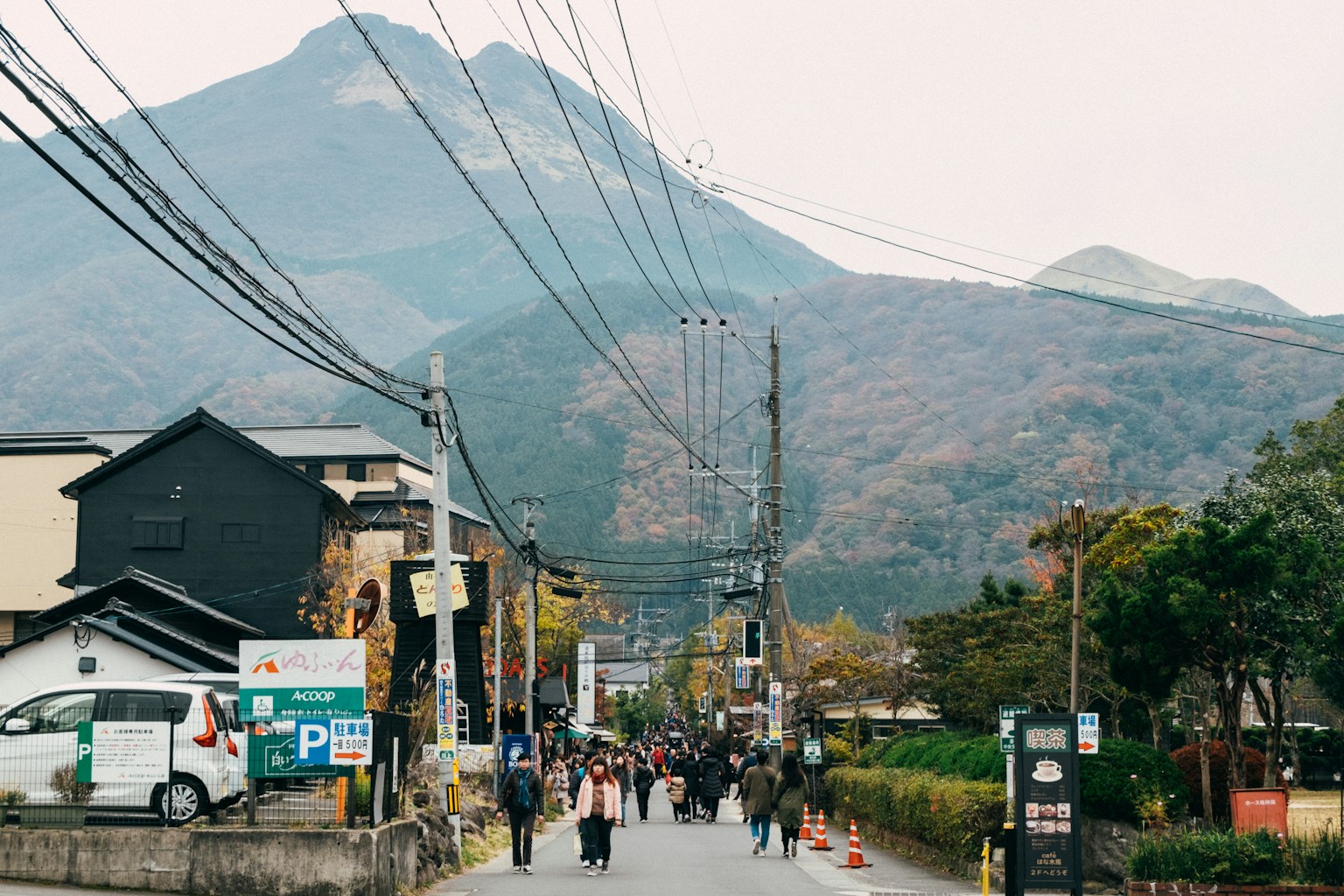
September is Kyushu’s misunderstood month. Ask the internet and you’ll get two contradictory answers — “it’s still summer, avoid it” and “it’s lovely, go” — and both are half right, because September here is really two seasons stapled together. The first half runs hot and humid with a typhoon watch; the last ten days deliver some of the best family travel weather of the year. This guide breaks the month down honestly, week by week, so you can decide when to come and what to book — including the one week in 2026 you need to plan around.
Is September a Good Month for Kyushu with Kids? (Quick Answer)
Yes — with eyes open. Early September is still summer: highs around 30–32°C, humid, with the year’s highest typhoon risk. By the final week, highs drop toward 26–27°C, humidity breaks, and the highlands around Aso and Kuju start turning gold. Crowds are thinner than August everywhere except Silver Week (September 19–23 in 2026), and the sea stays warm enough for beach days most of the month. If you can choose, aim for the last week of September.
September Weather in Kyushu: What It Actually Feels Like
| Early September (1–10) | Mid September (11–20) | Late September (21–30) | |
|---|---|---|---|
| Typical highs | 30–32°C, humid | 28–30°C, humidity easing | 26–28°C, comfortable |
| Feels like | Full summer — plan like August | Transition — hot days, kinder evenings | Early autumn — the sweet spot |
| Typhoon risk | Peak season | Still elevated | Declining |
| Best family plan | Aquariums, pools, early-morning outings | Festivals, city days, coast | Highlands, hikes, onsen towns |
Two more September notes parents appreciate: the sea around Kyushu holds its warmth well into the month, and school-holiday crowds vanish after the first weekend — queues at aquariums and theme parks are noticeably shorter than in August.
The Typhoon Question, Answered Honestly
September sits at the top of the typhoon calendar alongside August, and pretending otherwise helps nobody. The practical reality: most Septembers see one or two storm systems affect Kyushu, each disrupting roughly two to three days — and the rest of the month is fine. The family playbook is flexibility, not avoidance: book accommodation you can change, keep one buffer day if you’re flying long-haul, and know that trains and attractions announce closures early and reopen fast. We keep a full survival guide — tracking apps, what actually gets cancelled, and how the shinkansen handles storms — in our Kyushu typhoon season family guide.
Silver Week: September 19–23, 2026
Circle these dates. In 2026 Japan gets a five-day autumn holiday block — the first full Silver Week since 2015 — and domestic travel will surge the way it does at Golden Week. For visiting families this cuts both ways: festivals and events run hot, but onsen ryokan, rental cars and reserved train seats around those dates book out well ahead, and highway traffic on the Saturday and Wednesday is best avoided. If your trip overlaps, book now; if you’re flexible, the weeks on either side are dramatically calmer. The full playbook — exact dates, what books out first and the booking timeline — is in our Silver Week 2026 family guide.
What’s Actually On in September
 Top Things to Do in Fukuoka
 Instant confirmation for most tickets
September’s headline is Hojoya at Hakozaki Shrine in Fukuoka — one of the city’s three great festivals, running September 12–18 every year, with hundreds of food stalls lining the shrine approach. Go at dusk with kids: lantern light, festival food, and a genuinely local crowd. Elsewhere, fruit picking hits its September stride — grapes and pears are at their peak on the farms east of Fukuoka — and by mid-month the first silver pampas grass ripples across the Aso and Kuju grasslands. For the festival calendar beyond Hojoya, see our Kyushu autumn festivals guide, and for the orchards, the fruit picking in Kyushu guide maps the family-friendly farms.
Where to Go: First Half vs Second Half
First half of September — treat it like a kinder August. Aquariums, science museums and hotel pools in the heat of the day; parks and beaches before 10:00. Coastal spots like Uminonakamichi still work, though outdoor water facilities begin winding down after the first weekend.
Second half — this is when Kyushu’s interior opens up. The highland drive between Yufuin and Aso is at its early-autumn best: cooler air at altitude, pampas grass catching the light, and soft-serve stops the whole way. Our Yamanami Highway family drive guide covers the route stop by stop. It’s also the month onsen towns feel right again — an outdoor bath at 26°C beats one at 34°C — and the shoulder-season pricing before October foliage is a quiet bonus.
September vs October in Kyushu
If you’re weighing the two months: October wins on weather reliability (cooler, drier, typhoons fading), September wins on warm seas, summer-style activities without August crowds, and Hojoya. Families with preschoolers who nap badly in heat should lean October; families who want one last beach-and-pool hurrah should take late September. The full picture for the following months is in Kyushu in October and November with kids — and if you’re packing for the transition weeks, our autumn packing list handles the layers question.
Frequently Asked Questions
How hot is Kyushu in September?
Expect highs of 30–32°C in the first week, easing to 26–28°C by the last week. Humidity follows the same curve — early September feels like summer, late September like early autumn. Nights cool noticeably in the highlands around Aso, Kuju and Yufuin.
What are the odds a typhoon ruins our trip?
Low, but not zero. September is peak typhoon season, and a typical storm affects plans for two to three days. Build one flexible day into a week-long trip, choose refundable rooms, and you’ve neutralised most of the risk — cancellations are announced early and recovery is fast.
Kyushu or Hokkaido in September?
They’re opposite trades. Hokkaido is cooler (highs around 20–22°C) with almost no typhoon risk; Kyushu is warmer with beach-capable seas, bigger festivals and better-value accommodation once summer ends. With small kids who wilt in heat, Hokkaido edges early September; by late September Kyushu’s weather catches up and its food, onsen and festival culture make it the richer trip.
How many days do you need in Kyushu?
Five days covers one region well — Fukuoka plus Beppu/Yufuin, or Fukuoka plus Nagasaki. Seven to ten days lets you add the Aso highlands or the southern prefectures without rushing nap schedules. Two-week trips can circle the whole island.
Can you still swim in September?
The sea stays warm (24–26°C) for most of the month, and beach days work well into late September on calm days. Managed beach facilities and outdoor pools, however, mostly close after the first weekend of September — so swim at your own supervision level.
Is September cheaper than October in Kyushu?
Generally yes, outside Silver Week (September 19–23 in 2026). Early-to-mid September is shoulder season: flights and ryokan run below both August peak and October–November foliage pricing. Silver Week itself prices like a national holiday — because it is one.
What should we pack for Kyushu in September?
Summer clothes plus one warm layer per person for highland evenings, rain gear you’ll actually carry, and sun protection — the September sun is still strong. Umbrellas beat raincoats for the humid early month.
 Yufuin Private Stays
Not sure where to begin? This free guide helps you pick the right Kyushu trip for your family — from a Fukuoka family who actually lives here.
- ✅A simple “which trip suits us?” chooser — by days, ages & interests
- ✅Snapshots of all 7 prefectures — what’s actually worth it with kids
- ✅Instant PDF download — name your price (free), no spam
Onsen, rail, or a full itinerary? It points you to the right deep-dive guide.
Want the whole trip mapped out? This is our complete 7-day Kyushu loop, done for you — the exact route a Fukuoka family runs with their own kids.
- ✓Day-by-day plan — what to do, in what order, at a kid-friendly pace
- ✓Named hotels & booking links — where to sleep each night, no rabbit-holes
- ✓Packing & prep checklists — arrive sorted, not scrambling
Instant PDF · written by locals · hours of planning, done