
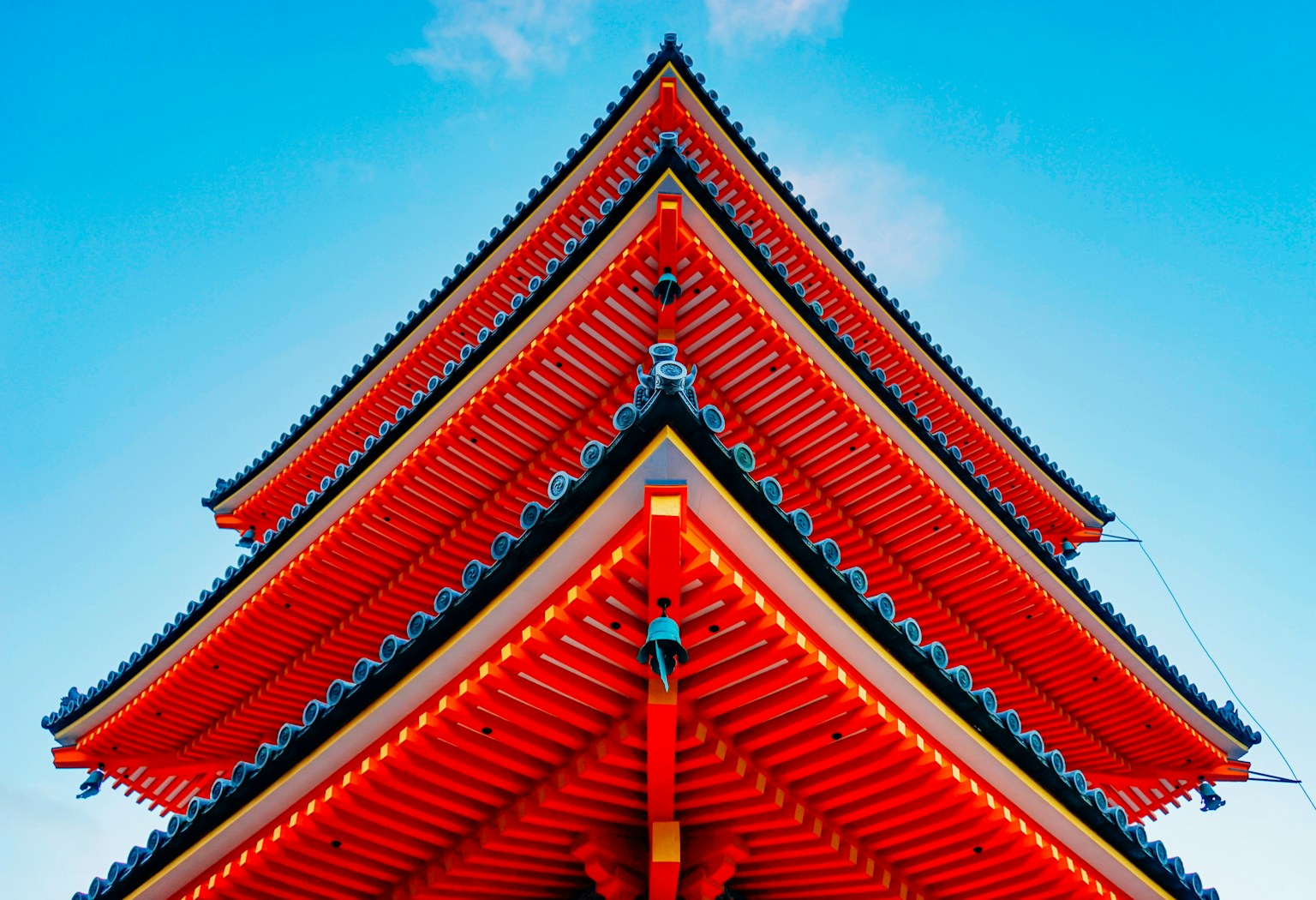
Why Dejima Is Worth Adding to Your Nagasaki Family Itinerary
Is Dejima worth visiting? Yes — here is our verdict in three sentences.
It is a compact, hands-on reconstruction of Japan’s only Edo-period window to the West, where kids try on period costumes and explore real merchant houses.
Adults pay just 520 yen and children under 15 go free, so a family of four spends barely 1,040 yen for an hour or more of genuinely engaging history.
Pair it with nearby Chinatown for lunch and Dejima easily becomes the highlight of a Nagasaki family day.
When we first told our kids we were visiting a tiny artificial island where Dutch merchants once lived in near-total isolation for over 200 years, they looked at us blankly.
But the moment they stepped through the wooden gate at Dejima and spotted a staff member in full 18th-century Dutch costume, history suddenly became very real.
Dejima is one of those rare historical sites that genuinely works for school-age children. It is compact, interactive, and packed with just enough quirky detail to keep curious minds engaged.
As expat parents living in Fukuoka, we have dragged our kids through plenty of museums where they spent most of the visit asking when we were leaving. Dejima was refreshingly different.
If you are planning a family trip to Nagasaki, read our The Ultimate Family-Friendly Guide to Nagasaki with Kids: History, Theme Parks & Hidden Gems for the full picture.
But in this post we are diving deep into Dejima specifically — what to expect, how long to spend there, and how to make it the highlight of your day.
A Quick History Your Kids Will Actually Find Interesting

Here is the version we told our children in the car on the way: Japan once decided it did not want foreigners around.
For roughly 220 years during the Edo period, the country closed itself off from almost the entire world. Almost.
The one exception was a small group of Dutch traders allowed to stay — but only on a tiny fan-shaped artificial island in Nagasaki harbour called Dejima, just 120 metres by 75 metres.
They could not leave. Japanese people could not enter without permission. And yet, through that tiny island, Japan kept a window open to the outside world.
Our older child immediately asked: “So they were basically in jail?”
Which is not entirely wrong, and is exactly the kind of question that leads to a great conversation about trade, power, and how countries interact.
The island you visit today is a carefully reconstructed version of what Dejima looked like at its peak in the late Edo period.
Land reclamation over the centuries merged the original island into the surrounding city, but from the 1990s onward Nagasaki has been steadily rebuilding the historic structures.
Today about 25 buildings have been reconstructed, and the project is ongoing.
Entry Fees and Opening Hours
One of the things we appreciate about Dejima is that it is genuinely affordable for families. Here is what to expect:
- Adults (18 and over): 520 yen
- High school students: 200 yen
- Junior high school students and younger: Free
That means a family with two adults and two primary school-age children pays just 1,040 yen total.
For a solid hour or more of genuinely engaging history, that is exceptional value.
Dejima is open daily from 8:00 AM to 9:00 PM (last entry 8:40 PM) during peak season, with slightly shorter hours at certain times of year.
We recommend checking the official Dejima website before your visit, particularly around New Year and during special exhibition periods.
The site is well staffed and signage is available in English — a relief when you are explaining exhibits to curious kids without squinting at kanji.
With entry costing so little, the bigger budget line for most families is where to stay. We book Nagasaki hotels near the waterfront and tram line on Agoda’s Nagasaki family-room listings so Dejima, Chinatown and Glover Garden are all a short tram ride away.
What Kids Love: The Interactive Exhibits
Dejima has done a thoughtful job of making history tactile. Rather than just reading panels, children can actually engage with many of the exhibits.
Here are the highlights that worked best for our family:
The Reconstructed Merchant Houses
The buildings themselves are the main attraction. Walking through the Chief Merchant’s residence, the warehouses, and the guest rooms gives children a genuine sense of scale and daily life.
Everything feels lived-in rather than sterile.
Our kids spent a long time examining the Dutch furniture, the trading ledgers on display, and the belongings of merchants who had not seen their families in the Netherlands for years at a time.
Period Costumes for Kids
This was the unexpected highlight of our visit. At certain points, children (and willing adults) can try on replica period costumes — both Dutch merchant clothing and Edo-period Japanese attire.
Our youngest was absolutely thrilled.
There is something about putting on a costume that turns a museum visit into play, and the photo opportunities are genuinely charming. Staff are helpful and patient, even with the wiggly ones.
Interactive Trade Displays
Several exhibits explain what goods were traded through Dejima — Dutch imports like clocks, telescopes, and medicine alongside Japanese exports including ceramics, lacquerware, and copper.
There are hands-on elements where children can examine replica objects and understand why these items were so valuable.
Our older child was fascinated by the early scientific instruments, which sparked a long conversation about how Western science quietly filtered into Japan through this single tiny island.
The Scale Model
Near the entrance, a detailed scale model of Dejima at its historical peak keeps children endlessly fascinated.
Seeing the island in miniature helps them understand the layout before exploring the real thing, and it makes for great “treasure map” energy if your kids enjoy that kind of orientation.
Practical Tips for Visiting with Young Children
Dejima is stroller-friendly for the most part, though some reconstructed buildings have traditional wooden steps you will need to navigate.
The site is compact enough that even easily-tired toddlers can manage the whole thing on foot. A few things worth knowing before you go:
- Timing: We arrived around 10:00 AM on a weekday and had the place largely to ourselves for the first hour. Weekends and school holidays are busier, particularly with Japanese school groups.
- Allow 60–90 minutes: This is not a full-day destination, which is actually a strength. It fits beautifully as part of a longer Nagasaki day rather than requiring a dedicated visit.
- English support: English audio guides are available for rent, and many of the display panels include English text. Staff at the main buildings often speak some English and are happy to assist.
- Restrooms: Clean and accessible facilities are available within the site.
- Food: There is no dedicated dining inside Dejima, but the surrounding Nagasaki waterfront area has plenty of cafes and restaurants a short walk away.
Combining Dejima with Nagasaki Chinatown
This is the combination we recommend without hesitation.
Nagasaki Chinatown (Shinchi Chinatown) is a 10–15 minute walk from Dejima, making it the ideal follow-up for hungry families.
It is the oldest Chinatown in Japan, and while compact, the energy is lively and the food is excellent.
Nagasaki champon — a rich, milky noodle soup loaded with seafood and vegetables — is the dish to order, and children tend to love it.
Sara udon, crispy noodles with a similar topping, is another local favourite. The restaurants around Chinatown are generally family-friendly and accustomed to international visitors.
The historical link between Chinatown and Dejima is worth mentioning to older children: during isolation, Chinese traders were also permitted in Nagasaki, though confined to a designated settlement.
Nagasaki’s multicultural history runs very deep, and this combination visit helps children grasp just how unusual the city was in the context of Edo-period Japan.
If you would rather have the history explained for you, a guided Nagasaki day tour on Klook can bundle Dejima, Chinatown and Glover Garden into one easy, kid-paced itinerary.
Getting to Dejima
Dejima is centrally located in Nagasaki city and easy to reach by public transport.
The Nagasaki tram system is the most convenient option, with a stop (Dejima Station) directly adjacent to the site.
If you are navigating Nagasaki’s public transport for the first time, our guide to Riding the Nagasaki Trams with a Stroller: Routes & Tips has everything you need on fares, routes, and managing the trams with young children and buggies.
Hitting several sights in one day? A Nagasaki one-day tram pass on Klook pays for itself once you hop between Dejima, Chinatown and Glover Garden, and it saves fumbling for coins with kids in tow.
If you are driving from Fukuoka or elsewhere in Kyushu and wondering whether to hire a car or rely on trains, our article on Getting Around Kyushu with Kids: Car vs Train for Family Travel breaks down the decision in detail.
For Nagasaki city itself, we find public transport generally easier than trying to park, particularly around the waterfront area.
Nagasaki also fits naturally into a broader Kyushu family trip.
If you are still in the planning stages, our 7-Day Kyushu Family Itinerary: Fukuoka, Beppu, and Kumamoto by Train gives a solid framework you can adapt to include Nagasaki as an extension or swap.
Is Dejima Right for Your Family?
We would say Dejima works best for children aged 6 and up.
Younger children will enjoy the costumes and the open spaces, but much of the context will go over their heads.
School-age children with some awareness of Japanese history — or who are studying it — will get the most out of it.
Teenagers into history, trade, or the kind of “what if” thinking that alternate history encourages will also find it genuinely compelling.
For families visiting Kyushu more broadly, Dejima slots in beautifully as part of a day in Nagasaki alongside Glover Garden, the Peace Park, or the Nagasaki Museum of History and Culture.
The city rewards slow exploration, and Dejima is a strong anchor for the historical part of your day.
For more ideas on where to take kids across Kyushu, our Kyushu with Kids: The Complete Family Travel Guide (2026) covers the whole island in detail.
Frequently Asked Questions
Is Dejima worth visiting?
Yes. For families it is one of the best-value history stops in Kyushu: hands-on costumes, walkable reconstructed merchant houses, English signage, and free entry for children under 15.
Even non-family travellers rate it highly — at 520 yen for an hour exploring Japan’s only Edo-period window to the West, it is an easy yes, especially when paired with Chinatown for lunch.
How long should we spend at Dejima with kids?
Most families with school-age children will find 60–90 minutes is plenty. The site is compact, so you can cover everything without rushing or dealing with overtired legs.
If your children are particularly engaged with the interactive exhibits or costumes, you might stretch it to two hours, but it is not a full-day destination. Plan it as part of a wider Nagasaki day.
Is Dejima free for young children?
Yes. Children of junior high school age and younger (approximately 14 and under) enter free of charge. High school students pay 200 yen, and adults pay 520 yen.
This makes Dejima one of the more affordable historical attractions in Kyushu for families.
Can you use a stroller at Dejima?
The outdoor pathways are stroller-accessible, but many of the reconstructed buildings have traditional raised wooden entrances with steps.
You may need to leave your stroller outside individual buildings and carry younger children inside. The site is compact enough that this is manageable, and staff are helpful if you need assistance.
What is the best way to combine Dejima with other Nagasaki attractions?
Dejima pairs particularly well with Nagasaki Chinatown (a 10–15 minute walk) for lunch.
For a fuller day, add Glover Garden in the afternoon for beautiful harbour views and its own late-Edo and Meiji history.
Nagasaki’s tram network makes it easy to move between these sites without a car, and a single-day tram pass on Klook offers good value if you plan to make multiple stops.
Not sure where to begin? This free guide helps you pick the right Kyushu trip for your family — from a Fukuoka family who actually lives here.
- ✅A simple “which trip suits us?” chooser — by days, ages & interests
- ✅Snapshots of all 7 prefectures — what’s actually worth it with kids
- ✅Instant PDF download — name your price (free), no spam
Onsen, rail, or a full itinerary? It points you to the right deep-dive guide.