
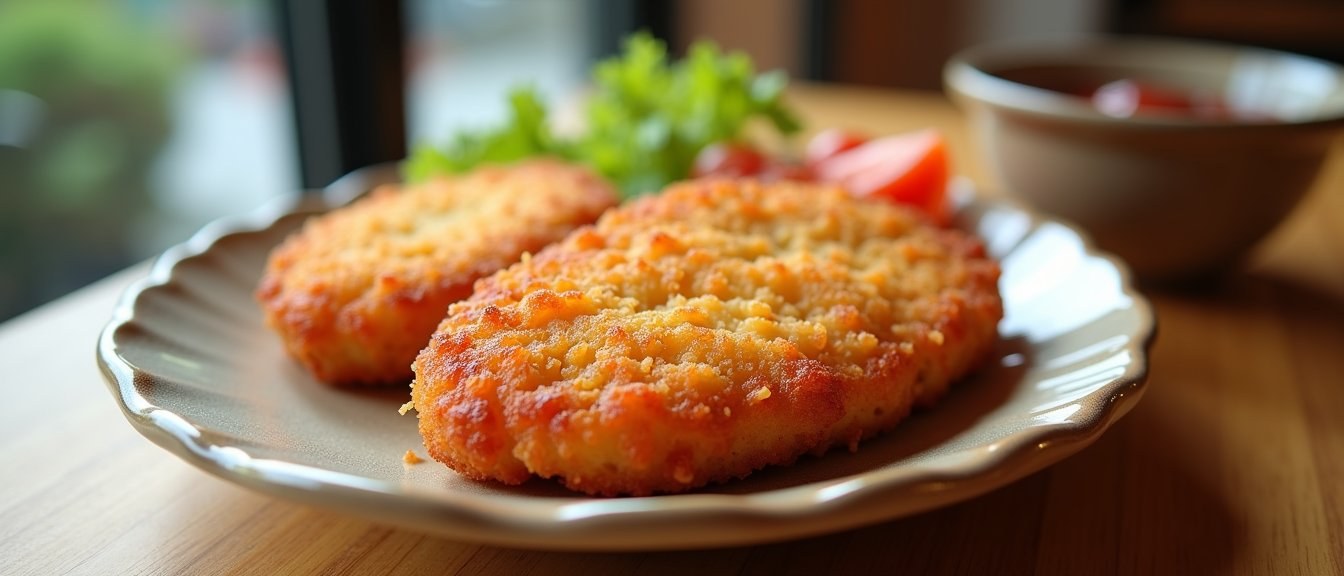
If you are traveling to Kyushu with children, there is one meal that usually guarantees empty plates and happy faces: Tonkatsu.
And if you are heading to Kagoshima, you are in luck. This city is the kingdom of “Kurobuta” (Black Pork), arguably the most famous pork in all of Japan.
For parents, finding a meal that is authentic, local, and kid-friendly can be a challenge. Authentic places can sometimes feel too quiet or cramped for energetic toddlers.
However, the Tonkatsu experience in Kagoshima is surprisingly well-suited for families. It is loud, casual, delicious, and interactive.
In this guide we list five family-tested Kurobuta tonkatsu restaurants and explain how to navigate them with kids.
You will also find timing, budget, and stroller tips for enjoying this crunchy, tender delicacy without the stress.
Quick Answer: Best Tonkatsu in Kagoshima for Families
The family pick in Kagoshima is Kurobuta (Berkshire black pork): softer and slightly sweeter than ordinary pork, so picky eaters usually finish it.
Start with Kurokatsu-tei (5 minutes from Kagoshima-Chuo Station) or Ichiniisan in Amu Plaza. Budget ¥1,500–3,000 per adult for a lunch set.
- Best all-rounder: Kurokatsu-tei (sesame grinder, free cabbage and rice refills).
- Easiest with a stroller: Ichiniisan, Amu Plaza restaurant floor (elevators, high chairs).
- Best arrival time: 11:00–11:15, before the lunch queue forms.
- Best cut for toddlers: Hire (lean fillet) rather than fattier Rosu.
To help you plan the rest of your trip in this volcanic city, be sure to read our main guide: The Ultimate Family-Friendly Guide to Kagoshima with Kids.
Why Kagoshima “Kurobuta” is Different
You might have had pork cutlets before, perhaps in Tokyo or Osaka, but Kagoshima takes it to a different level.
The “Berkshire” pigs raised here—known locally as Kurobuta—are famous for their distinct tenderness and rich flavor.
For children who might be picky eaters and find regular meat “chewy” or “tough,” Kurobuta is often a game-changer.
The meat is softer, juicier, and has a slight sweetness to the fat that makes it incredibly palatable.
When deep-fried in fresh panko (breadcrumbs), it becomes the ultimate upscale chicken nugget alternative.
Educational Moment for Kids
Before you go, you can tell your kids to look out for the cute black pig mascots all over Kagoshima city.
You will see them on posters, souvenir boxes, and even as plush toys. It helps build anticipation for the meal!
The Family-Friendly Tonkatsu Experience
Why is a Tonkatsu restaurant a good choice for parents traveling with young children?
Unlike delicate kaiseki dining or smoky yakitori bars, Tonkatsu restaurants in Kagoshima are generally robust, bustling family environments.
1. The “Grind Your Own Sesame” Ritual
Many Tonkatsu specialty shops in Kagoshima provide a small mortar and pestle (suribachi) filled with roasted sesame seeds while you wait for your food.
This is a brilliant distraction for kids.
- Activity: Kids can grind the seeds until they are fragrant.
- Result: You mix the ground seeds with the thick, sweet Tonkatsu sauce.
- Benefit: It keeps little hands busy for at least 10 minutes!
2. Kid-Friendly Sets
Most major Tonkatsu restaurants offer a specific “Okosama Lunch” (Kids’ Meal). These usually include:
- A smaller, bite-sized cutlet (easier to chew).
- Rice (often with furikake seasoning).
- A small jelly or fruit juice.
- A toy (in some places).
Even if they don’t have a specific kids’ menu, Tonkatsu is easy to share.
You can order a large “Rosu” (loin) or “Hire” (fillet) set and share the rice and meat with your toddler.
3. Unlimited Cabbage and Rice
Hungry teenagers? Most sets come with unlimited shredded cabbage, rice, and miso soup refills.
It is a cost-effective way to ensure everyone leaves full.
5 Best Kurobuta Tonkatsu Restaurants in Kagoshima for Families
Kagoshima has hundreds of pork restaurants, but these five are consistently the most reliable picks for families looking for genuine Kurobuta tonkatsu.
All are clustered around Kagoshima-Chuo Station or the central Tenmonkan area, so they slot easily into a day of sightseeing.
Approximate prices are for lunch sets. Confirm the day’s hours and menu before you walk over.
| Restaurant | Area & Access | Best For Families | Approx. Set Price |
|---|---|---|---|
| Kurokatsu-tei (黒かつ亭) | About 5 min on foot from Chuo Station (east side); street-level entrance | The city’s best-known tonkatsu specialist; sesame grinder, free cabbage/rice refills | ¥1,500–2,500 |
| Ichiniisan (いちにぃさん) | Amu Plaza Kagoshima restaurant floor; mall elevator from the station concourse, no stairs | Inside the station mall—100% stroller accessible, high chairs | ¥1,600–3,000 |
| Roppakutei (六白亭) | Between Chuo Station and Tenmonkan; single-floor table seating | Spacious table seating, easy for groups with kids | ¥1,800–3,200 |
| Tonkatsu Kawakyu (とんかつ川久) | Central Kagoshima near the tram lines; check the entrance on Street View for a step | Aged Kurobuta, generous portions teens love | ¥1,500–2,800 |
| Juan (寿庵) | Tenmonkan area, minutes from the Tenmonkan-dori tram stop; covered arcade in rain | Relaxed Kurobuta restaurant with shareable sets | ¥1,500–3,000 |
Hours, Closing Days and Queues
- Lunch: Most Kurobuta specialists open around 11:00 and stop taking lunch orders by 14:30–15:00.
- Afternoon break: Many shut between roughly 15:00 and 17:00, so a 15:30 arrival often means a locked door.
- Closing days: Weekly holidays are irregular. Check the shop name on Google Maps the morning you go—it is more current than most shop websites.
Want to build the meal into a longer outing? A guided Kurobuta food walk or a Tenmonkan market tour turns lunch into a half-day activity.
Book a Kagoshima food walk or Kurobuta tasting tour on Klook →
Where to Eat: Choosing the Right Spot
Beyond the named picks above, here is how to identify other restaurants that work best for families.
The Station and Arcade Option
If you are arriving via the Shinkansen, the area around Kagoshima-Chuo Station is packed with high-quality options.
Coming down from Fukuoka or Kumamoto by rail? Compare JR Kyushu rail pass options on Klook →
- Amu Plaza Kagoshima: The restaurant floor here (home to Ichiniisan) is very stroller-friendly, has high chairs, and is used to tourists.
- Tenmonkan Arcade: This downtown shopping street has older, more historic shops. Some may require you to fold your stroller at the entrance, so bring a carrier just in case.
Staying within walking distance of the station makes these family lunches effortless.
Compare family-friendly hotels near Kagoshima-Chuo on Agoda →
Rosu vs. Hire: What to Order for Kids?
When you look at the menu, you will see two main cuts:
- Rosu (Loin): Has a strip of fat along the edge. It is juicier and more flavorful but can be richer.
- Hire (Fillet): Lean meat with no fat. It is incredibly soft.
- Verdict for Kids: Hire is usually the winner for smaller children because it is easy to chew and doesn’t have “fatty bits” that texture-sensitive kids might reject.
Practical Logistics for Parents
Timing is Everything
Kagoshima’s famous Tonkatsu spots get busy. The most popular places—Kurokatsu-tei especially—will have lines out the door by 12:00 PM.
- Strategy: Arrive at 11:00 AM or 11:15 AM when they open. You will get seated immediately, get your food faster, and avoid a “hangry” meltdown in a queue.
Stroller Access
- Department Stores (Amu Plaza, Yamakataya): 100% stroller accessible with elevators.
- Street-level Shops: Varies. Many famous shops in Kagoshima are on the 2nd floor or basement with stairs. Check Google Maps Street View or look for an elevator sign before you commit.
Alternatives to Pork
If one of your children doesn’t eat pork, these restaurants almost always serve Ebi-fry (Giant Fried Shrimp).
These are massive, crunchy, and very popular with kids.
Integrating Tonkatsu into Your Itinerary
Eating Tonkatsu is heavy! You will want to plan active sightseeing before or after to burn off that energy.
A morning at Sengan-en garden or a ferry hop to Sakurajima pairs perfectly with an early lunch.
You can pre-book tickets and tours to skip the queues—see Sengan-en admission tickets on Klook →
If you are moving on to other cities, food options change.
If you are heading north, read our guide to Family-Friendly Food in Fukuoka to compare the dining styles.
And to slot these meals into a full route, see our complete Kyushu family itinerary guide.
Summary Checklist: Tonkatsu with Kids
- Go for “Kurobuta”: It’s worth the extra few hundred yen for the tenderness.
- Start at Kurokatsu-tei or Ichiniisan: The two easiest first-timer picks for families.
- Order “Hire” for Toddlers: It’s softer and lean.
- Use the Sesame Grinder: Great distraction tool.
- Go Early: 11:00 AM is the golden hour.
Kagoshima Tonkatsu FAQ
Which Kagoshima tonkatsu restaurant is easiest with a stroller?
Ichiniisan on the Amu Plaza Kagoshima restaurant floor. You reach it by mall elevator from the station concourse, high chairs are standard, and the staff are used to visiting families.
How much is a Kurobuta tonkatsu lunch for a family?
Plan on ¥1,500–3,000 per adult for a set with rice, cabbage, and miso soup. Kids’ sets usually run ¥700–1,200, and cabbage and rice refills are normally free.
Do Kagoshima tonkatsu shops close in the afternoon?
Many do. Specialists often serve lunch from about 11:00 until 14:30–15:00, then reopen around 17:00. Weekly closing days are irregular, so check Google Maps the morning you go.
What can kids eat if they don’t like pork?
Nearly every tonkatsu restaurant also serves ebi-fry (giant fried shrimp), chicken cutlets, and curry rice. Ebi-fry is the usual winner: crunchy, mild, and easy to cut into bite-size pieces.
Enjoying a meal in Kagoshima is about more than just sustenance; it’s a cultural connection to the region’s history.
And for families, a loud, happy Tonkatsu restaurant is the perfect place to relax, refuel, and plan the next adventure to the volcano.
Related Guides
- Family-Friendly Food in Fukuoka: Where to Eat Comfortably with Kids
- Kyushu Family Itineraries: The Complete Guide to Planning Your 3 to 7-Day Trip
- 7-Day Kyushu Family Itinerary: Fukuoka, Beppu, and Kumamoto by Train
 Kagoshima: The Southern Gateway
Not sure where to begin? This free guide helps you pick the right Kyushu trip for your family — from a Fukuoka family who actually lives here.
- ✅A simple “which trip suits us?” chooser — by days, ages & interests
- ✅Snapshots of all 7 prefectures — what’s actually worth it with kids
- ✅Instant PDF download — name your price (free), no spam
Onsen, rail, or a full itinerary? It points you to the right deep-dive guide.