
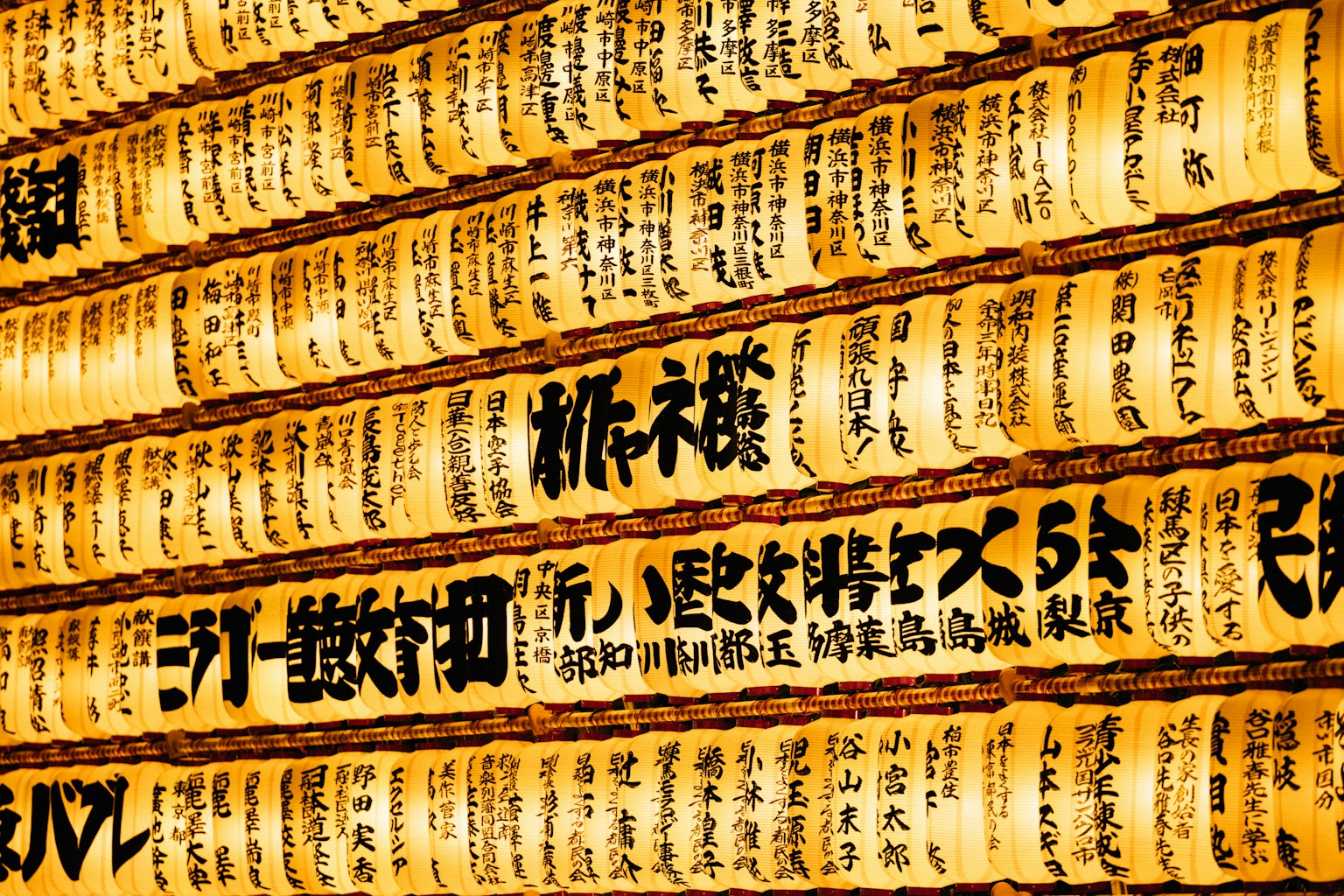
What Is the Nagasaki Lantern Festival?
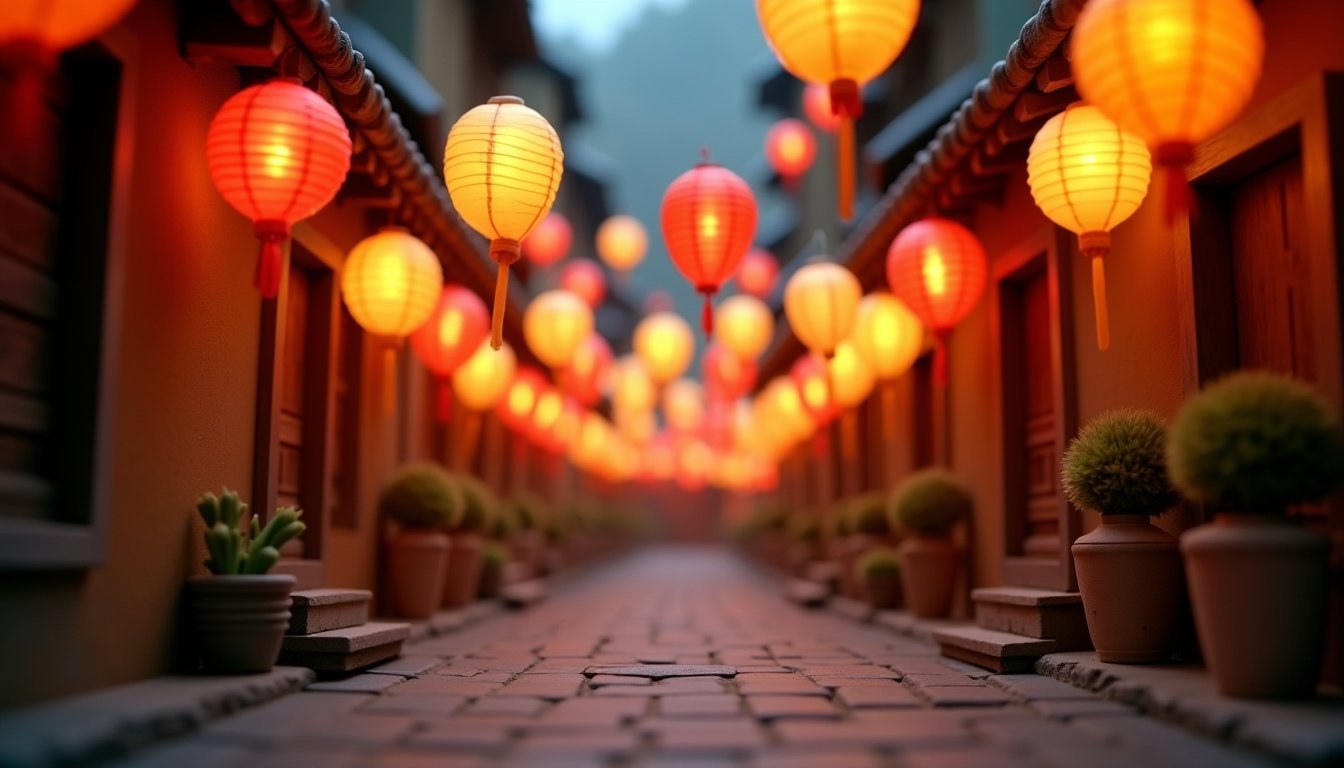
Every year during Chinese New Year, the city of Nagasaki transforms into one of the most visually breathtaking spectacles in all of Japan.
The Nagasaki Lantern Festival — known locally as Nagasaki Chūka Gai Tōrō Matsuri — lights up the city with over 15,000 lanterns strung across streets, temples, and parks.
For families visiting Kyushu, this is genuinely one of those events that will stay with your kids for years. If you’re planning a wider trip, pair it with our Ultimate Family-Friendly Guide to Nagasaki with Kids for the full picture of the city.
As expat parents based in Fukuoka, we’ve made the trip to Nagasaki for the festival more than once, and every time it delivers.
Yes, it gets crowded. Yes, the evenings are cold and chaotic. But with a little planning, it’s absolutely doable with young children — and completely worth it.
When Is the Nagasaki Lantern Festival?
The festival runs for approximately 15 days, starting on the first day of the Chinese Lunar New Year.
Because the lunar calendar shifts each year, the exact dates change annually — but it typically falls somewhere between late January and mid-February.
Check the official Nagasaki tourism site or local news in the autumn beforehand to confirm the exact schedule for your year.
The festival opens each evening at dusk and runs until around 10pm or 11pm. Daytime hours also feature decorations and some activities, though the full lantern illumination only happens after dark.
We’ll talk more about timing strategy below, because getting this right makes a huge difference with kids.
How Much Does the Nagasaki Lantern Festival Cost?
Here’s the good news first: the festival itself is completely free to attend. There’s no entrance fee for the lanterns, the parades, or the street performances.
What you actually budget for is travel, accommodation, and food. Below is a realistic price and cost breakdown for a family of four (two adults, two young children) doing a two-night trip from Fukuoka.
| Expense | Typical cost (family of 4) | Notes |
|---|---|---|
| Festival entry | ¥0 | Lanterns, parades & performances are all free |
| Shinkansen round trip (Hakata ⇄ Nagasaki) | ¥30,000–36,000 | ~¥11,000/adult return; children roughly half fare |
| Hotel (2 nights, family room) | ¥30,000–50,000 | Central Nagasaki; book 3–4 months ahead |
| Festival food & snacks | ¥6,000–10,000 | Stall snacks ¥400–500 each, plus a sit-down champon meal |
| Local trams & sundries | ¥2,000–3,000 | ¥140/adult per ride; kids cheaper |
| Estimated total (2 nights) | ¥68,000–99,000 | Lower if you visit as a day trip and skip the hotel |
Want to keep the price down? A day trip from Fukuoka removes the biggest line item — accommodation — and the round-trip Shinkansen is the only fixed cost.
If you’d rather lock in transport and skip-the-queue extras in one go, you can compare Nagasaki passes and day-tour options on Klook before you travel.
Main Festival Venues
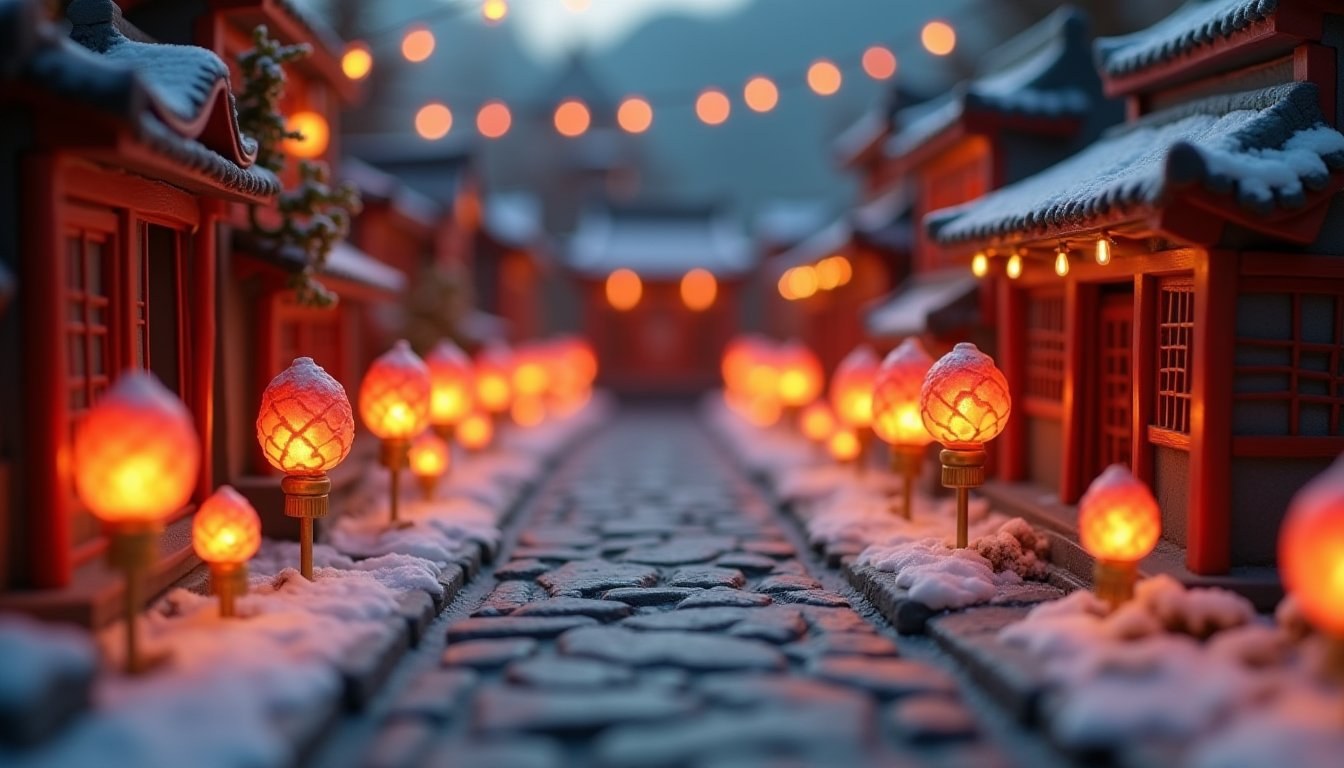
The lanterns and events are spread across several interconnected areas in central Nagasaki. Here’s a quick breakdown of the main spots.
Shinchi Chinatown (新地中華街)
This is the epicenter of the festival. Nagasaki’s Chinatown is one of only three in Japan, and during the Lantern Festival it becomes a dense, glowing tunnel of red and gold.
The main archways and streets are hung with hundreds of lanterns, and this is where you’ll find the highest concentration of food stalls.
It’s magical — but it’s also the most crowded part of the entire festival, especially on weekends and during the opening ceremony. Our family guide to Nagasaki maps out how Chinatown connects to the rest of the city.
Kofukuji Temple (興福寺)
One of Nagasaki’s oldest Chinese-style Buddhist temples, Kofukuji is beautifully lit during the festival and tends to be slightly less overwhelming than Chinatown itself.
The temple grounds have more open space, which makes it a bit easier to navigate with little ones.
This is also one of the venues for the Emperor Parade and other traditional performances, so check the event schedule for timings.
Hamanomachi Arcade (浜町アーケード)
The covered shopping arcade at Hamanomachi is decorated with lanterns and hosts various performances throughout the festival period.
Because it’s covered, it’s a good option on cold or rainy evenings. There are also plenty of cafes and restaurants inside if you need to warm up and feed hungry kids mid-evening.
Minato Park and Surrounding Areas
Various other parks and public spaces around the harbor area are decorated with large sculptural lanterns — including giant animal-shaped displays that kids absolutely adore.
These areas are generally more spacious and a great place to let toddlers roam a bit more freely while still being surrounded by the festival atmosphere.
What Kids Will Love
Let’s be honest: kids don’t always share our enthusiasm for “cultural significance.”
But the Nagasaki Lantern Festival has enough spectacle and sensory magic to captivate even the most restless toddler.
Dragon Dances
The dragon and lion dances are performed at multiple venues throughout the festival. A team of performers carries a long, colorful dragon through the crowds to the beat of drums and cymbals.
Our kids were equal parts terrified and thrilled the first time — which is basically the best possible reaction. Check the official schedule for performance times and get there early for a good viewing spot.
Animal-Shaped Lanterns
Scattered across the festival grounds are large-scale lantern sculptures shaped like dragons, phoenixes, fish, and the animal of the current lunar year.
These are endlessly photogenic and genuinely impressive up close. Younger kids especially love finding each animal and pointing them out — it turns into a little lantern scavenger hunt.
The Emperor Parade
The Emperor and Empress Parade is one of the festival’s headline events, typically held on select evenings. Elaborately costumed performers recreate a Chinese imperial procession through the streets.
It’s theatrical, colorful, and moves slowly enough that kids get a good look. Again, check the event calendar in advance — this one draws big crowds.
The Sheer Atmosphere
Sometimes the best thing for kids is just being immersed in something completely different.
The combination of red lanterns overhead, the smell of street food, the sound of drums and firecrackers, and the buzz of thousands of people creates an atmosphere unlike anything else in Kyushu.
Even our youngest, who was barely two at the time, was wide-eyed the entire evening.
Festival Food: What to Eat
The food stalls alone are worth the trip. Nagasaki has a unique culinary heritage shaped by its history as a trading port, and the Lantern Festival brings out the best of its Chinese-influenced street food scene.
- Kakuni Manju (角煮まんじゅう) — Soft steamed buns filled with melt-in-your-mouth braised pork belly. This is Nagasaki’s signature snack and kids almost universally love them. Budget around ¥400–500 per bun.
- Sesame Balls (胡麻団子) — Chewy fried glutinous rice balls coated in sesame seeds with sweet red bean paste inside. Great finger food for kids old enough to handle the chewiness.
- Ma La Tang (麻辣烫) — Spicy Chinese hot pot skewers. Probably better saved for the adults or older kids with a tolerance for heat, but absolutely delicious on a cold February night.
- Champon noodles — Several stalls and nearby restaurants serve Nagasaki’s famous champon noodle soup, which is rich, filling, and kid-friendly. A proper sit-down bowl is a great way to warm up mid-evening.
- Various sweets and dumplings — Gyoza, egg tarts, and fried dough snacks appear throughout the stalls. Bring cash and budget generously — you will buy more food than you planned.
A practical note: most stalls are cash only, so visit an ATM before you head out for the evening.
Convenience store ATMs (7-Eleven and Japan Post) reliably accept foreign cards. As a rough guide, plan ¥1,500–2,500 per person for an evening of grazing across the stalls.
Stroller Tips and Crowd Strategy
Here’s the honest truth: the Nagasaki Lantern Festival is extremely crowded on weekend evenings, particularly during the opening days and around the Emperor Parade.
Navigating a stroller through peak-hour Chinatown is genuinely stressful and, in some sections, nearly impossible. For the mechanics of getting around with a pram, see our guide to riding the Nagasaki trams with a stroller.
That said, we’ve done it successfully with both a stroller and a baby carrier on different trips. Here’s what we’ve learned.
- Go on a weekday if you possibly can. The difference in crowd density between a Friday evening and a Tuesday evening is significant. Weekdays are still busy but far more manageable.
- Consider a daytime visit for stroller families. The lanterns don’t illuminate until dusk, but during the day the decorations are still beautiful, the food stalls are open, and the crowds are much thinner. If you have very young children or mobility considerations, a late-afternoon arrival (around 3–4pm) lets you explore comfortably and then catch the first hour or so of illuminations before heading back.
- Use a carrier as backup. Even if you bring a stroller, having a baby carrier available means you can fold the stroller and carry your child through the narrowest sections. We always pack one during festival visits.
- Stick to the edges of Chinatown. The absolute center of the main street gets completely gridlocked. The side streets and surrounding areas still have plenty of lanterns and are far more navigable.
- Get there early or late. The hour right after illumination starts (around 5:30–7pm) and the final hour before close are the most crowded. Arriving just as it gets dark and leaving by 8:30pm, or arriving later around 9pm, can make a big difference.
For getting around Nagasaki itself, the tram network is your best friend. Our Riding the Nagasaki Trams with a Stroller: Routes & Tips guide covers exactly which stops get you closest to Chinatown and how to manage the trams with a pram.
Getting to Nagasaki from Fukuoka
From Fukuoka (Hakata Station), Nagasaki is accessible by the Nishikyushu Shinkansen with a transfer at Shin-Tosu or Takeo-Onsen, taking around 1 hour 20 minutes to 1 hour 40 minutes total.
It’s easily doable as a day trip, though staying overnight lets you experience both an evening illumination session and a quieter morning in the city.
Round-trip Shinkansen runs roughly ¥11,000 per adult, with children at about half fare. To bundle transport with festival-area day tours and skip-the-line passes, browse Klook’s Nagasaki transport and tour deals before you go.
If you’re building Nagasaki into a longer Kyushu trip, check out our 7-Day Kyushu Family Itinerary: Fukuoka, Beppu, and Kumamoto by Train for ideas on how to combine it with other destinations.
Where to Stay
For the Lantern Festival, staying in or very near central Nagasaki is strongly recommended.
The ability to walk back to your hotel when kids hit the wall (and they will hit the wall) is invaluable. The area around Hamanomachi, the waterfront, and Dejima all put you within easy walking or one-stop tram distance of the main festival venues.
Book accommodation early — ideally three to four months in advance for popular dates. Hotels in Nagasaki fill up quickly during the festival, especially on the opening weekend and Emperor Parade evenings.
Family rooms in the central area typically run ¥15,000–25,000 per night during the festival. Check live rates and lock in a refundable rate early via Agoda’s central Nagasaki hotel listings while the best dates are still open.
Beyond the Festival: Making a Weekend of It
If you’re staying overnight, Nagasaki has plenty to fill a family weekend beyond the lanterns.
The city’s history is fascinating and surprisingly accessible for kids, from Glover Garden to the Peace Park and the Atomic Bomb Museum (approached thoughtfully with older children).
For a full picture of what the city offers families, our The Ultimate Family-Friendly Guide to Nagasaki with Kids: History, Theme Parks & Hidden Gems covers the whole city.
If you’re combining the trip with a visit to Huis Ten Bosch with Kids: Best Attractions & Night Illumination Guide — which is about 90 minutes from Nagasaki — that makes for a superb two or three night Nagasaki-area trip.
Huis Ten Bosch also does spectacular illuminations in winter, so the combination is genuinely hard to beat. You can pre-book discounted park passports through Klook’s Huis Ten Bosch tickets to skip the gate queue.
For more inspiration across the whole island, our Kyushu with Kids: The Complete Family Travel Guide (2026) is a good starting point for planning your broader trip.
Frequently Asked Questions
How much does the Nagasaki Lantern Festival cost for a family?
The festival itself is free to attend. Your real costs are travel, lodging, and food.
A family of four doing two nights from Fukuoka should budget roughly ¥68,000–99,000 total: about ¥30,000–36,000 for round-trip Shinkansen, ¥30,000–50,000 for two hotel nights, and ¥6,000–10,000 for festival food. A day trip without a hotel cuts this dramatically.
Is the Nagasaki Lantern Festival free to attend?
Yes — the main festival areas are free to walk through and enjoy. There is no entrance fee for the lantern illuminations, the street performances, or the general atmosphere.
You’ll spend money on food, drinks, and any indoor attractions, but simply attending the festival costs nothing beyond your travel and accommodation.
What are the exact dates of the Nagasaki Lantern Festival?
The festival follows the Chinese Lunar New Year calendar, so dates shift each year. It typically runs for 15 days starting on Lunar New Year’s Day, which usually falls between late January and mid-February.
Check the official Nagasaki tourism website in the autumn before your planned visit for confirmed dates.
Can I bring a stroller to the Nagasaki Lantern Festival?
Yes, but with caveats. Weekday daytime or early evening visits are much more stroller-friendly than peak weekend evenings.
The main Chinatown streets become extremely crowded after dark on weekends, and navigating a pushchair through the densest areas is very difficult. Bring a baby carrier as a backup, and consider a late-afternoon arrival on a weekday for the most comfortable experience with young children.
What should I dress my kids in for the festival?
The festival runs in late January and February, which is Nagasaki’s coldest season. Evenings can be genuinely cold — typically between 4°C and 10°C — and the harbor area gets a wind chill.
Dress kids in proper winter layers: thermal base layer, warm mid-layer, windproof outer jacket, hat, and gloves. Hand warmers (kairo) are available at convenience stores and are worth stocking up on before you head out for the evening.
Not sure where to begin? This free guide helps you pick the right Kyushu trip for your family — from a Fukuoka family who actually lives here.
- ✅A simple “which trip suits us?” chooser — by days, ages & interests
- ✅Snapshots of all 7 prefectures — what’s actually worth it with kids
- ✅Instant PDF download — name your price (free), no spam
Onsen, rail, or a full itinerary? It points you to the right deep-dive guide.