Okinawa’s beaches are the calmest, warmest, clearest water our kids have ever splashed in.
But paradise comes with a short list of things every parent should know before the sandals come off.
Jellyfish, the habu snake, and the colored beach flags are the big three. None of them should scare you off.
All of them are easy to manage once you understand the pattern.
Okinawa Jellyfish Season and Beach Safety (Quick Answer)
Okinawa’s most dangerous jellyfish is the habu-kurage (Chironex yamaguchii, a box jellyfish). Okinawa Prefecture issues its official habu-kurage advisory every year from 1 June to 30 September, and stings peak from late July to mid-August.
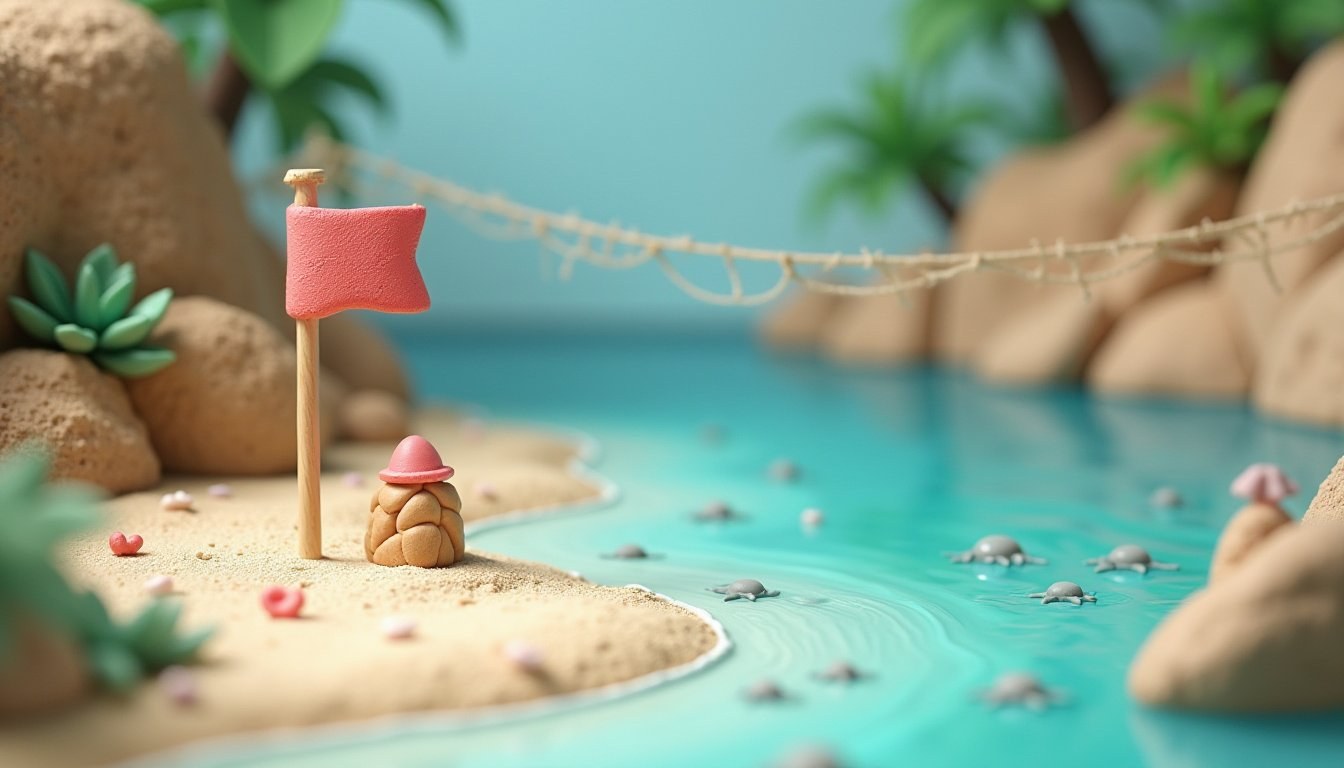
Swim inside the netted enclosures found at almost every managed beach and stings are rare. Watch the beach flag: under the Japan Lifesaving Association system used nationwide, blue means conditions are judged safe, yellow means caution, and red means out of the water.
For a habu-kurage sting, the prefecture’s official first aid is to pour plenty of ordinary vinegar over the area — never fresh water — then lift the tentacles off and cool the skin.
Jellyfish in Okinawa: When and Where the Risk Peaks
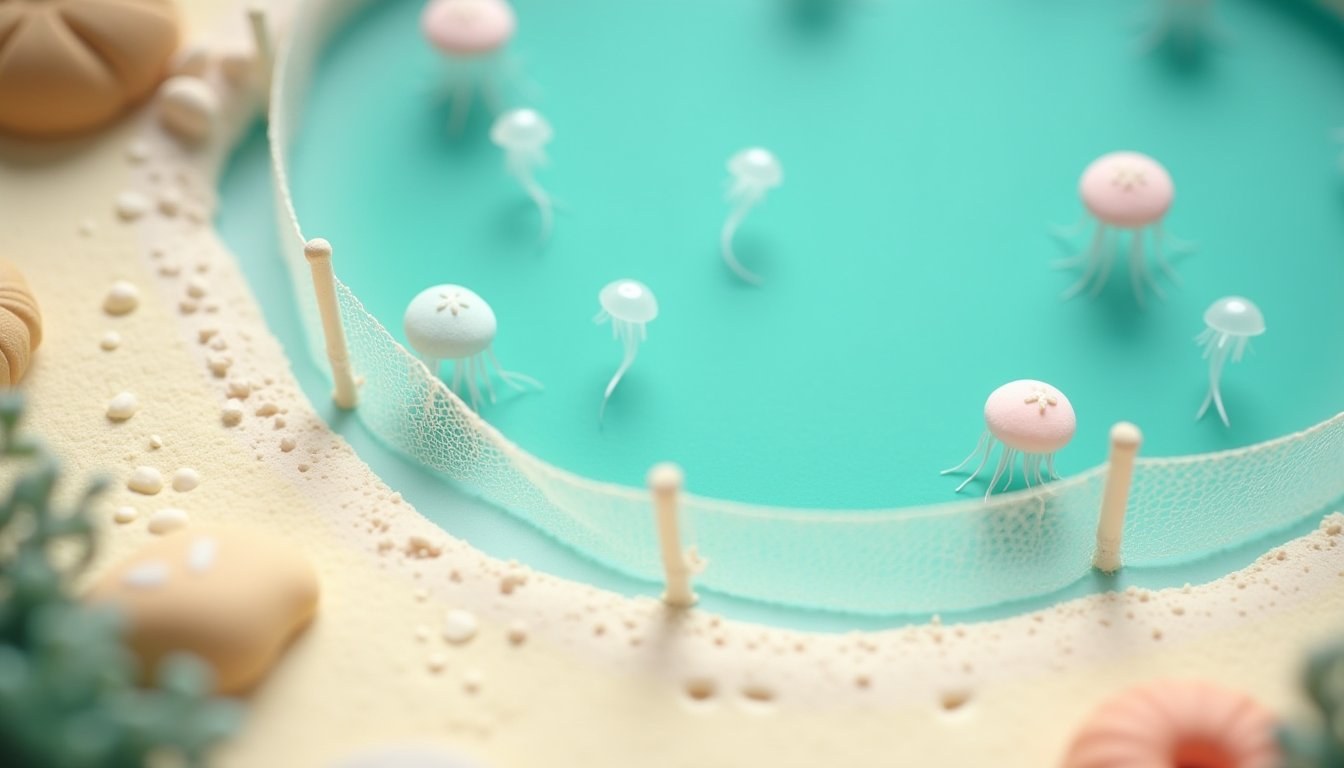
The jellyfish that worries parents is the habu-kurage, a small box jellyfish.
It is nearly transparent and its sting is genuinely painful, occasionally serious for small children.
The season is predictable, which is what makes it manageable.
- Low risk: April, May, and October, when many beaches open but water is cooler.
- Peak risk: late July to mid-August, the hottest and busiest swimming weeks.
- Warning period: Okinawa Prefecture’s habu-kurage advisory runs 1 June to 30 September, and managed beaches post it for that whole window.
Here is the key point for families: managed beaches in Okinawa string a fine mesh jellyfish net around the swimming zone.
Stay inside it and the risk drops to almost nothing.
And if jellyfish still make you nervous with toddlers, you can skip the ocean altogether: our guide to Okinawa water parks and resort pools for families covers netted-free, chlorinated alternatives that run the same summer months. Compare Okinawa water park and pool day-pass tickets on Klook here if that is your Plan B day.
How to spot a netted swimming zone
Look for a line of small buoys forming a rectangle just offshore. That floating boundary marks the netted area.
Lifeguards will wave you back in if you drift past it.
Unmanaged or wild beaches have no net and no lifeguard. Beautiful for a picnic, but we don’t let our kids swim there in summer.
Netted Family Beaches in Okinawa
 Top Things to Do in Okinawa
 Instant confirmation for most tickets
If jellyfish are your main worry, choose a managed beach with a net, lifeguards, and a marked season.
Two easy, family-tested options near the main tourist routes:
| Beach | Area | Entry | Jellyfish net | Swim season |
|---|---|---|---|---|
| Emerald Beach | Motobu (Ocean Expo Park) | Free | Yes | 1 Apr – 31 Oct |
| Naminoue Beach | Naha city | Free | Yes | early Apr – 31 Oct |
Emerald Beach sits right beside the Churaumi Aquarium, so it pairs perfectly with an aquarium day.
Naminoue is the only real swimming beach inside Naha, handy if you’re based in the city without a car.
At both, swimming is only permitted during posted hours while lifeguards are on duty, and the jellyfish net is installed for the whole listed season rather than only in peak months. Emerald Beach opens at 8:30 with the last swim ending between 17:00 and 18:30 depending on the month, and keeps nurses as well as lifeguards on site. Naminoue runs 9:00–18:00 in April–June and September–October, extending to 9:00–19:00 in July and August. Check the official page for the current year’s dates before you go.
Planning tickets, tours, or a snorkeling day around these beaches? You can browse family-friendly Okinawa activities and skip-the-line passes here and book before you go.
The Habu Snake: Real but Easy to Avoid

The habu is a venomous pit viper native to Okinawa.
It sounds alarming, and locals do take it seriously, but tourists almost never encounter one.
Habu live in tall grass, stone walls, sugarcane fields, and dense forest, and they are mostly active at night.
You will not meet one on a paved path, a beach, or inside a resort.
Simple rules that keep kids safe
- Stay on marked trails and paved paths on nature walks.
- Don’t let kids reach into rock crevices, stone walls, or thick grass.
- Use a flashlight after dark and watch where small feet step.
- Keep to lit areas at night around rural guesthouses.
If someone is bitten, keep them calm and still, and don’t cut or suck the wound.
Call an ambulance at 119. Antivenom is available at Okinawan hospitals and outcomes are good with prompt care.
Understanding Okinawa’s Beach Flags
Every managed beach flies a flag or posts a colored sign. Teach your kids to read it before they read the waves.
- Blue: conditions are judged safe, swimming allowed inside the net. Japan’s standard “go” flag is blue, not green.
- Yellow: caution — wind and waves are making the current stronger than usual, so stay in shallow water.
- Red: danger, no swimming. Follow the lifeguards’ instructions.
- Red-and-yellow pair: not a warning — two of these flags mark the patrolled swimming zone, and you should stay between them.
Typhoon swell can flip a green morning into a red afternoon.
Check the flag every time you return to the water, not just when you arrive.
Jellyfish Sting First Aid for Kids
Even inside a net, an occasional stray jellyfish gets through. Knowing the steps keeps a scary moment small.
- Get out of the water immediately and keep the child calm.
- Pour vinegar on generously — ordinary household vinegar of around 5% is what Okinawa Prefecture specifies, and it stops unfired stinging cells from firing. Never use fresh water.
- Remove tentacles gently with a gloved hand, tweezers, or the edge of a card, not bare fingers.
- Cool the area with ice or cold water to dull the pain, then go to a clinic or hospital. Don’t rub the skin with sand or a towel.
- Seek help from the lifeguard station; many stock vinegar and know the nearest clinic.
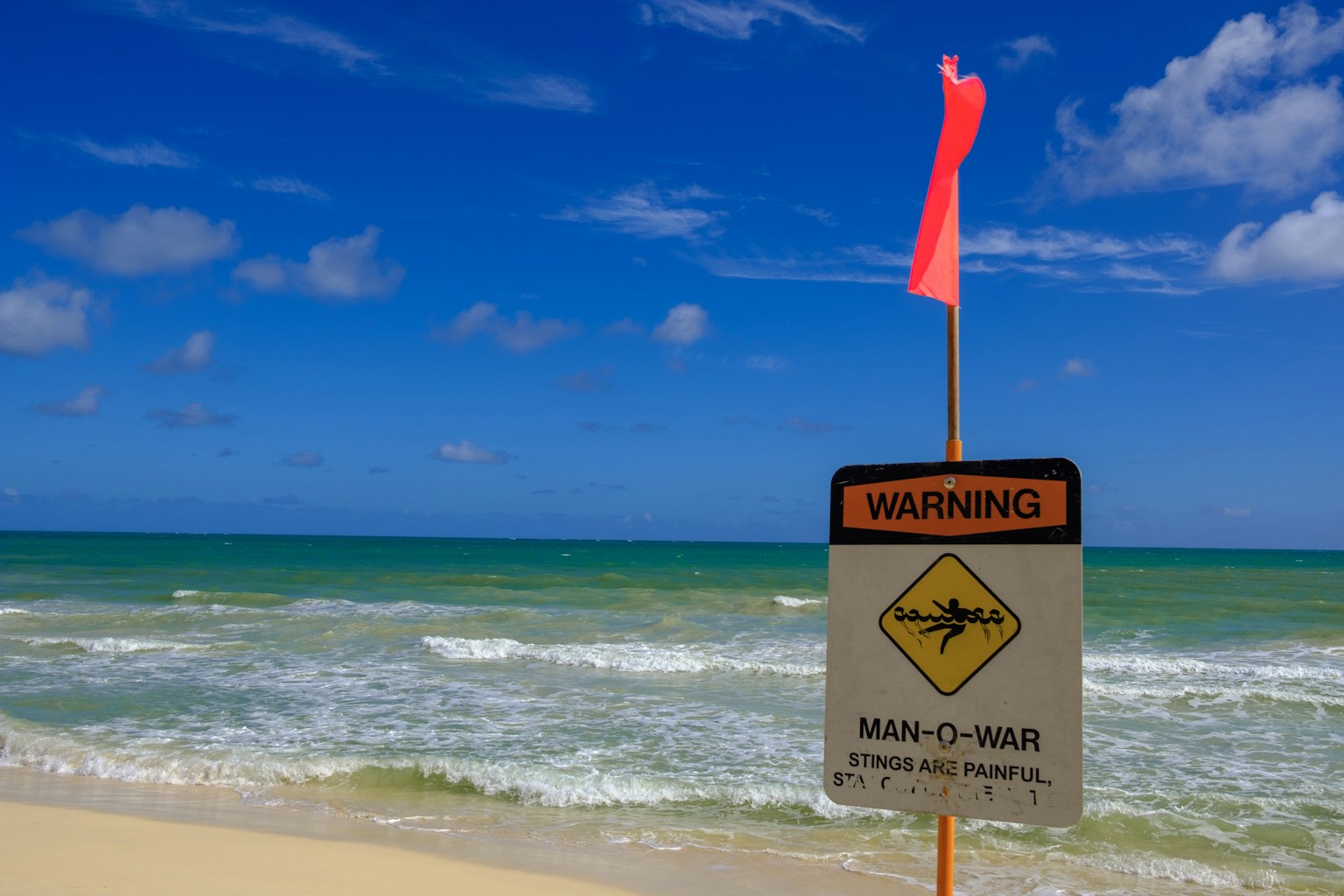
One vinegar caveat worth memorising: vinegar is the right answer for habu-kurage, but it is the wrong one for the Portuguese man o’ war (katsuonoebosi), a blue float that also washes up on Okinawan beaches. Vinegar makes that sting worse. If you did not see the animal, rinse with seawater, lift the tentacles off, cool the area, and let the lifeguard or clinic decide.
Call 119 if the child shows difficulty breathing, widespread pain, or any whole-body reaction.
Box jellyfish stings can be serious, so err toward caution with little ones.
What to Pack for a Safe Okinawa Beach Day
A few small items turn hazard management into a non-event.
- Rash guard or swim shirt: the single best jellyfish defense, plus sun protection.
- Water shoes: for coral, rocks, and hot sand.
- A small bottle of vinegar: cheap sting insurance in your beach bag.
- Reef-safe sunscreen and a hat.
- Closed shoes and a flashlight for any evening rural walks.
If you’re building your summer packing list, our summer day-trip planning for families and the midday heat-break strategy we use across Kyushu both carry over to Okinawa’s climate.
Timing Your Trip Around the Water
Okinawa’s swimming season is long, roughly April through October, but the calendar shapes the experience.
Late April to June gives you open beaches, lower jellyfish risk, and fewer crowds, though June brings the rainy season.
If you’re weighing that trade-off, our family guide to Japan’s rainy season explains how tsuyu actually feels with kids.
July and August are peak heat, peak crowds, and peak jellyfish, so nets and flags matter most then.
For pure water time without a beach, a resort or day-pass pool sidesteps jellyfish entirely, the same logic behind our pool day-pass approach and our Okinawa water park picks.
For a warm-water island beach day closer to Kyushu, families also love Aoshima in Miyazaki, an easy stepping stone before a bigger Okinawa trip.
Frequently Asked Questions
When is jellyfish season in Okinawa?
Okinawa Prefecture issues its habu-kurage advisory from 1 June to 30 September each year, with stings peaking from late July to mid-August.
Managed beaches post advisories during this window. Outside summer, jellyfish risk is low, and the netted swimming zones protect you even in peak season.
Are Okinawa beaches safe for toddlers and young kids?
Yes, at managed beaches. Choose a beach with a jellyfish net, lifeguards, and a posted flag system, keep toddlers inside the netted zone, and dress them in a rash guard.
These beaches have calm, shallow water ideal for small children.
What should I do if my child is stung by a jellyfish?
Get them out of the water, pour plenty of ordinary vinegar on the sting (never fresh water), gently lift off any tentacles without using bare hands, then cool the area with ice.
Don’t rub the skin. Visit the lifeguard station and go on to a clinic, and call 119 for any breathing difficulty or whole-body reaction. Vinegar is correct for habu-kurage but wrong for the Portuguese man o’ war, so if nobody saw the animal, rinse with seawater instead and let staff advise.
How dangerous is the habu snake for tourists?
Very low risk for typical travelers. Habu live in grass, forest, and stone walls and are active at night, so you won’t meet one on beaches, paved paths, or in resorts.
Stay on marked trails and keep kids out of dense grass and rock crevices.
What do the beach flag colors mean in Okinawa?
Under the Japan Lifesaving Association system, blue means swimming is allowed, yellow means caution (stronger current than usual — stay shallow), and red means no swimming.
A red-and-yellow flag is different: a pair of them marks the patrolled swimming zone you should stay between. Always recheck the flags each time you return to the water.
Do jellyfish nets really keep kids safe?
Mostly, yes. The fine mesh net around a beach’s swimming zone blocks the vast majority of jellyfish, and stings inside are rare.
Occasional strays get through, so a rash guard and a bottle of vinegar remain smart backups.
Which Okinawa beaches are best for families worried about jellyfish?
Choose netted, lifeguarded beaches like Emerald Beach in Motobu (beside the Churaumi Aquarium) or Naminoue Beach in central Naha.
Both have swimming enclosures, marked seasons, and family facilities, making them far safer than wild, unmanaged beaches.
Is there a jellyfish-free swimming option in Okinawa?
Yes. Resort pools and water parks are fully enclosed and chlorinated, so jellyfish are a non-issue even in July and August.
Many accept non-staying guests on a day pass, which makes them a reliable backup when the beach flag turns red. See our Okinawa water park guide for the family-tested picks.
Can we swim in Okinawa outside of summer?
Yes. The swimming season runs roughly April to October, and late spring offers open beaches with lower jellyfish risk and smaller crowds.
Water is cooler in April and October, so a rash guard or wetsuit top helps kids stay in longer.
More Kyushu & Island Stories
- Best Day Trips from Fukuoka in Summer with Kids
- Aoshima Shrine with Kids: Miyazaki’s Island of the Devil’s Washboard
- Fukuoka Family Pool Day Pass Guide
Which island, how many days, and when to go — the free guide that gets your Okinawa plan started, from a Fukuoka family who travels Japan’s south with kids.
- ✅A “which Okinawa trip suits us?” chooser — by days, ages & whether you’ll drive
- ✅Main island vs the outer islands — what’s actually worth it with kids
- ✅Instant PDF download — name your price (free), no spam
Beaches, ferries, or the aquarium? It points you to the right deep-dive guide.