
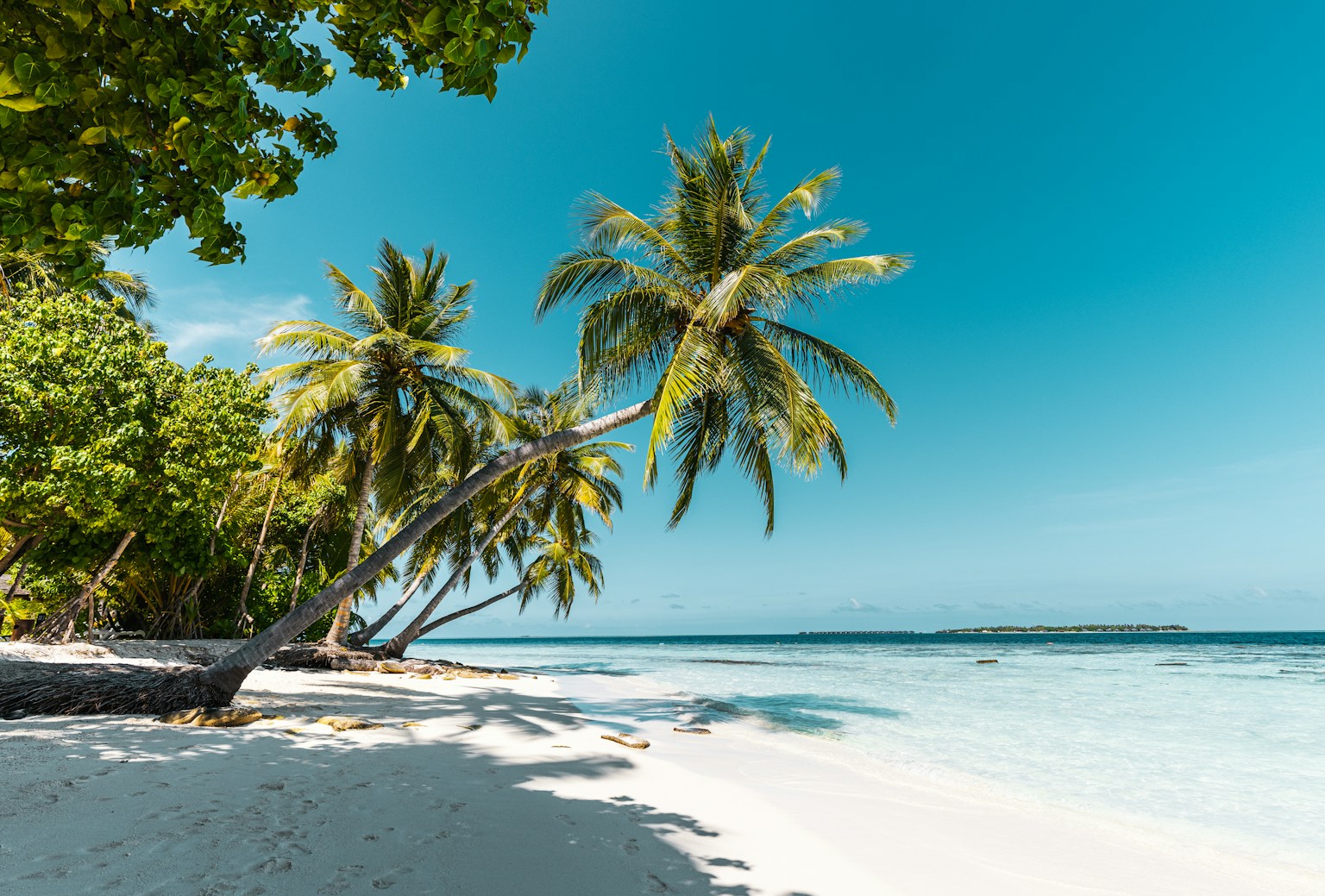
The first time we planned a spring trip to Okinawa, we assumed “tropical island” meant we could swim any day we liked. Then a local friend mentioned umibiraki and our whole plan shifted.
Turns out Okinawa’s beaches run on a season, and knowing it changes how you pack, book, and choose where to swim with kids. Here is the honest, practical version.
What Is Umibiraki? (Quick Answer)

Umibiraki (海開き, “beach opening”) is the day each Okinawa beach officially opens for swimming. There is no single date: the southern islands and the big resort beaches open from early March, the public beaches in Naha and Chatan follow in early to mid April, and almost every managed beach closes on 31 October. On opening day the lifeguards, jellyfish nets, showers, and rental huts all switch on. Before umibiraki the sand and water are still there, but there are no lifeguards or nets, so most families wait for the official season to swim safely.
Why the season exists at all
It is not about water temperature alone. Umibiraki is a safety and staffing milestone.
- Lifeguards begin patrolling.
- Jellyfish nets go up. Okinawa Prefecture issues its official habu jellyfish advisory every year from 1 June to 30 September and asks swimmers to stay inside the nets and cover up (Okinawa Prefecture, marine hazards).
- Showers, toilets, and rental gear reopen after winter.
So the “opening” is really the day a beach becomes a supervised, family-ready facility rather than just open sand.
Once a beach is staffed it flies the Japan Lifesaving Association condition flags, and they are the single most useful thing to teach your kids to read: blue means swimming is allowed, yellow means caution, and red means no swimming. A pair of flags planted in the sand marks the safe zone you are meant to stay between. Conditions change through the day, so check the flag again after lunch (Japan Lifesaving Association).
When Do Okinawa Beaches Open? A Rough Family Timeline
Dates vary by beach and by year, and the order runs the opposite way to what most people assume: the far-southern islands open first and the city beaches in Naha and Chatan come last.
- March: Ishigaki and Miyako. The Yaeyama islands hold Japan’s earliest official beach opening — in 2026 it was 14 March at Maesato Beach on Ishigaki (Taketomi Town). Several resort-run beaches in Onna and northern Okinawa open in March too.
- 1 April: Emerald Beach at Ocean Expo Park and other park-run beaches on the main island.
- Early to mid April: The city beaches. Naminoue in Naha opened on 5 April in 2026 and Araha in Chatan in the following week.
- Mid to late April: Kerama and the close-in islands.
- Through October: Peak season; nets and lifeguards fully staffed.
- 31 October: Most managed beaches close (海仕舞い, umijimai) and the nets come down. Chatan Sunset Beach is the usual exception, running into November.
If you are visiting in March, the public beaches around Naha are still shut, but you are not out of options: Ishigaki and Miyako are already open by mid-March, and so are several resort beaches in Onna and the north.
Peak, shoulder, and “just walk it” months
- Golden Week (late April to early May): Warm, festive, crowded, and pricey. The rainy season usually arrives right at the end of it.
- May to late June: Okinawa’s rainy season, which on average runs 10 May to 21 June — a month earlier than the mainland’s. Swimming is open but skies are grey, much like the Kyushu rainy season we plan around every year. The last week of June is often already clear.
- July to September: Hot, sunny, best water, biggest crowds — and peak typhoon season, so keep a wet-weather day in reserve.
- October: Our favorite. Warm sea, thinner crowds, gentle prices.
Can You Swim Before Umibiraki?
Physically, sometimes yes. The water in March can be swimmable on a warm afternoon. But we do not recommend it for families with young kids.
Without lifeguards and nets, you take on the risk yourself, including the small but real chance of a venomous habu jellyfish. Okinawa Prefecture runs its habu jellyfish advisory from 1 June to 30 September, and its standing advice is to swim inside the net, wear a rash guard rather than bare skin, and carry vinegar — the prefecture’s recommended first aid is to pour vinegar over a sting before removing tentacles. With toddlers, the peace of mind of a netted, staffed beach is worth waiting a few weeks for.
What to do if your trip lands before the season
- Choose a hotel with a heated pool for water play. The logic is the same one we use in our Fukuoka family pool day pass guide.
- Do beach walks and tide-pooling instead of swimming.
- Visit indoor aquariums and parks on cooler days.
- Or pick one of the handful of beaches that stay open year-round with staff on duty — Nirai Beach in Yomitan, Ikei Beach in Uruma, and Sunmarina Beach in Onna are the usual main-island ones.
Best Family Beaches by Opening Season
These three cover the classic Okinawa family-beach experience: an easy city beach, a lively suburban one, and a scenic northern one. All are free public beaches with facilities during the season.
| Beach | Area | Entry | Season (approx.) | Family notes |
|---|---|---|---|---|
| Naminoue Beach | Naha city | Free | 5 Apr – 31 Oct (2026) | Only beach in central Naha; walkable, netted, easy with a stroller |
| Araha Beach | Chatan | Free (parking and rentals extra) | mid-Apr – 31 Oct | Big playground and park next door; near American Village dining |
| Emerald Beach | Motobu (Ocean Expo Park) | Free | 1 Apr – 31 Oct (2026) | Calm swim zones; pair with Churaumi Aquarium |
Naminoue Beach: easiest with little kids
Right in Naha, Naminoue is the go-to if you are car-free. It is compact, the swim zone is fully enclosed by a jellyfish net, and lifeguards are on duty through the season. Entry is free; showers are ¥100 for five minutes and coin lockers ¥200 to ¥300. Swimming hours shift with the month — 9:00 to 18:00 in April to June and September to October, and 9:00 to 19:00 in July and August (Naminoue Umisora Park official). Reference: Swimming season Apr–Oct (2026 opened Apr 5); 9:00-18:00 Apr–Jun & Sep–Oct, 9:00-19:00 Jul–Aug (lifeguards and jellyfish net in season), at 沖縄県那覇市若狭1-25-11.
Araha Beach: playground plus sand
Araha pairs a swim beach with a large park and a pirate-ship playground, so kids who tire of the water have somewhere to run. It is a short drive from Chatan’s restaurants. The season runs from mid-April to 31 October and the closing time moves month by month — earlier in spring and autumn than at the height of summer — so confirm the day’s hours with the beach office before you commit to an afternoon swim (Chatan Town official). If you want a beach that stays open into November, Chatan Sunset Beach next door usually does.
Emerald Beach: scenic north
Inside Ocean Expo Park near Churaumi Aquarium, Emerald Beach is a Y-shaped stretch of three coral-sand arms — and this is the part visitors miss: only one of them, Asobi-no-hama, is a swimming beach. Nagame-no-hama is for walking, not swimming. The swim zone has a jellyfish net, lifeguards and a first-aid room with a nurse. In 2026 it ran 1 April to 31 October, 8:30 to 17:00, free to enter, with free park parking (Ocean Expo Park official). Note the 17:00 close — it is earlier than most Okinawa beaches, so do the aquarium after the swim, not before.
Things to Do Around Beach Season
 Top Things to Do in Okinawa
 Instant confirmation for most tickets
Okinawa’s warm months line up with festivals and outdoor days, so a beach trip doubles as a summer holiday. If you are island-hopping the wider region, our Kyushu summer festivals guide and summer day trips from Fukuoka pair well with an Okinawa leg.
Beach-loving families who also visit the mainland often add Miyazaki’s coast, like Aoshima Shrine and its island beach or the all-in-one Phoenix Seagaia Resort, for a two-region summer.
Where to Stay for Beach Season
For young kids, we prioritize a hotel with its own pool so water play does not depend on the weather or the beach schedule. Beachfront resorts in Onna and Chatan book out fast for July and August, so lock in early.
You can compare family rooms and pool hotels on Agoda’s Okinawa listings, then slot beach days around your base.
What to Pack for an Okinawa Beach Day with Kids
- Rash guards for everyone; the sun is strong even in April.
- Water shoes for reef and rocky patches.
- Reef-safe sunscreen and a UV tent for shade.
- Cash for parking, showers, and rental huts.
In June, add rain layers. Okinawa’s tsuyu is wetter than the mainland’s, and our family guide to Tsuyu covers the mindset.
Frequently Asked Questions
When does the Okinawa beach season start?
It depends on the island. Ishigaki and Miyako open first, in March — the Yaeyama ceremony was 14 March in 2026. Park and resort beaches on the main island follow from 1 April, and the city beaches in Naha and Chatan open in the first half of April. Almost all of them close on 31 October.
Can you swim in Okinawa in winter?
Mostly not, but there are exceptions. The great majority of beaches shut on 31 October and have no lifeguards or nets until spring. A few stay open and staffed all year — Nirai Beach in Yomitan, Ikei Beach in Uruma and Sunmarina Beach in Onna among them. Otherwise, families visiting December to March use heated hotel pools and stick to beach walks.
Is umibiraki safe for toddlers?
Yes, that is the point of it. Once a beach holds its umibiraki, lifeguards patrol and jellyfish nets are up, making the swim zone far safer for small children than the off-season sand.
What months have the best beach weather in Okinawa?
July to September have the warmest sea and most reliable sun, but also the biggest crowds. October offers warm water with thinner crowds and lower prices, which many families prefer.
Do you have to pay to enter Okinawa beaches?
Most public beaches, including Naminoue, Araha, and Emerald Beach, are free to enter. You typically pay only for parking, showers, lockers, and rental gear like umbrellas or floats.
Are there jellyfish in Okinawa?
Yes, including venomous habu jellyfish. Okinawa Prefecture runs an official habu jellyfish advisory from 1 June to 30 September every year, which is exactly why supervised beaches install nets. Swim inside the netted zone, keep skin covered with a rash guard, and avoid off-season, unnetted swimming with kids.
Is June a good time for an Okinawa beach trip?
It depends which half. Okinawa’s rainy season averages 10 May to 21 June, so early June is genuinely wet while the last week of June is often already into high summer. Beaches are open either way. If you are booking early June, choose a hotel with an indoor or covered pool and keep beach plans flexible.
How long is the Okinawa beach season?
Seven months at a typical main-island public beach (April to 31 October), and closer to eight on Ishigaki and Miyako, which open in March. The opening date differs by beach and shifts year to year, so check your specific beach before you travel; the 31 October closing date is far more consistent.
Which island, how many days, and when to go — the free guide that gets your Okinawa plan started, from a Fukuoka family who travels Japan’s south with kids.
- ✅A “which Okinawa trip suits us?” chooser — by days, ages & whether you’ll drive
- ✅Main island vs the outer islands — what’s actually worth it with kids
- ✅Instant PDF download — name your price (free), no spam
Beaches, ferries, or the aquarium? It points you to the right deep-dive guide.