
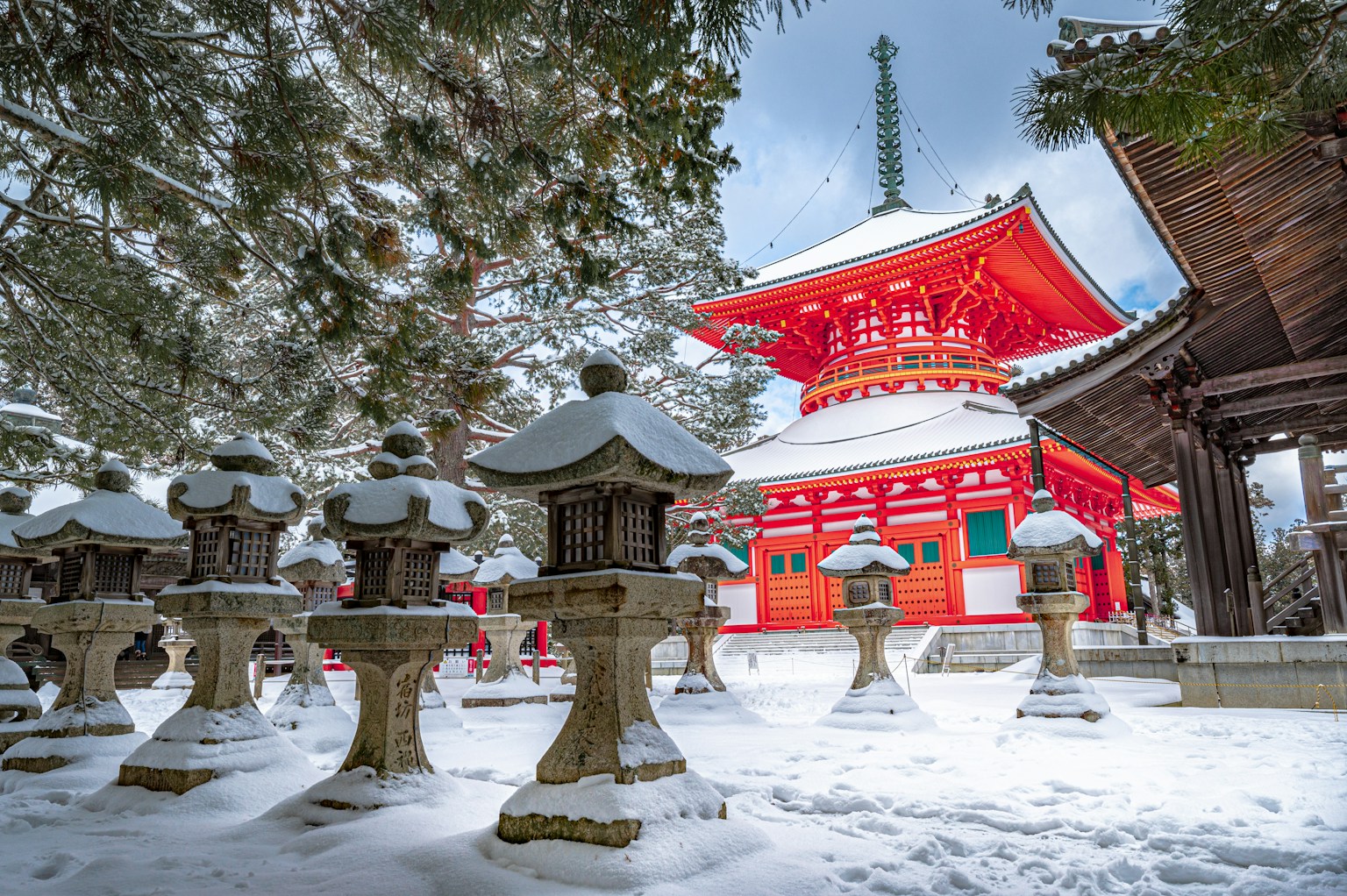
January and February are the quietest months of the year in Kyushu, and for families that is mostly good news. This is when hotel rates bottom out, major sights have no queues, and the onsen towns are at their best. It is also the coldest stretch of the year and the only window when snow realistically affects travel plans — so the trick is knowing which weeks reward you and which ones need a backup plan.
This guide covers what a family trip to Kyushu looks like in the deep winter months: real temperatures, how much snow to expect, what is actually on, and why late January is one of the best-value weeks of the entire year. For the month before, see our guide to Kyushu in December with kids.
Kyushu in January and February with Kids (Quick Answer)
These are Kyushu’s coldest months, with Fukuoka highs near 10°C (50°F) and lows near 3°C (37°F), but snow rarely disrupts city travel. After the New Year rush ends around January 4, crowds and prices drop to their annual low through February. Expect plum blossoms from mid-February, strawberry picking all season, and onsen towns at their most atmospheric.
January and February Weather in Kyushu
January is the coldest month of the year, with February close behind and warming slightly toward the end. The figures below are typical values based on Japan Meteorological Agency climate normals — a planning baseline, not a forecast.
| Area | January high / low | February high / low | Notes for families |
|---|---|---|---|
| Fukuoka, Nagasaki | 10°C / 3°C (50°F / 37°F) | 11°C / 4°C (52°F / 39°F) | Cold but walkable; occasional snow flurries |
| Kagoshima, Miyazaki (south) | 13°C / 5°C (55°F / 41°F) | 14°C / 6°C (57°F / 43°F) | The mildest option in deep winter |
| Aso, Kuju, Kurokawa (highlands) | 4°C / −4°C (39°F / 25°F) | 5°C / −4°C (41°F / 25°F) | Real snow and ice; check road conditions |
The practical difference from December is small in the cities and significant in the mountains. If your itinerary includes an Aso or Kuju drive, January and February are the two months where a plan B genuinely matters.
Does It Snow in Kyushu in January?
January is the most likely month, but “likely” still means a handful of days. Fukuoka and Nagasaki see snow flurries when a cold front pushes down from the continent, typically lasting hours rather than days, and accumulation in the cities is unusual. Trains occasionally run late during a heavy cold snap; they rarely stop.
The highlands are genuinely snowy. Roads around Aso, Kuju and Kurokawa can ice over, and rental cars in these areas run winter tyres as standard through the season. If you are driving in the mountains, check conditions the morning you travel and be willing to swap a highland day for a city day. Our guide to snow in Kyushu breaks down exactly where and how often it settles.
What Is Actually On in January and February
Winter is quiet on the festival calendar compared with summer, but the events that do run are distinctive and uncrowded by Japanese standards.
- Hatsumode (January 1–3): The first shrine visit of the year fills shrines across Kyushu. Wonderful to witness, but the biggest sites are difficult with a stroller — our hatsumode guide for families covers which ones work with children.
- Setsubun (February 3): Bean-throwing to drive out bad luck, held at shrines and temples and also in kindergartens. It is loud, silly and perfectly pitched at young children.
- Plum blossoms (mid-February onward): Kyushu’s plum season arrives weeks before mainland cherry blossom. Dazaifu Tenmangu is the classic spot — see our Dazaifu half-day guide for how to do it with kids.
- Strawberry picking: Peak greenhouse season. Warm, indoors and one of the best winter activities for toddlers in the region.
- Illuminations: Most city displays end around New Year, but Huis Ten Bosch runs its Kingdom of Light year-round, so it remains an option well into winter.
 Kid-Friendly Onsen Stays in Kyushu
Why Late January and February Are the Best-Value Weeks of the Year
Once the New Year holiday ends around January 4, domestic travel collapses until the spring break in late March. For a visiting family, that produces the cheapest and quietest window of the year. If you are travelling over the holiday itself, see how New Year week plays out in Fukuoka, including closures and what stays open.
- Hotel rates are at their annual floor, including at onsen ryokan that are unaffordable in autumn.
- No queues at aquariums, castles and museums that have real waits in summer.
- Flights into Fukuoka are typically at their cheapest outside the New Year peak.
One caveat: Chinese New Year falls in late January or February depending on the year, and Kyushu is a popular destination during that week. Hotel rates in Fukuoka and around the major sights spike for roughly a week. Check the date for your travel year before locking in dates.
What to Do with Kids in Deep Winter
Yufuin Private StaysBuild days around indoor anchors with outdoor stretches in the middle, when it is warmest. Sunset is early in January but stretches noticeably by late February.
- Onsen towns: This is the season. Kurokawa, Yufuin and Beppu are at their most atmospheric, and cold weather makes an outdoor bath feel like the point rather than a novelty.
- Indoor city days: Aquariums, science museums and mall playgrounds carry the coldest afternoons. Our Fukuoka winter activities guide lists the dependable ones.
- Strawberry farms: Greenhouses are warm and the picking is easy for small hands.
- Southern escape: If the cold is wearing everyone down, Kagoshima and Miyazaki run three to four degrees warmer and make a genuinely different-feeling few days.
What to Pack for Kyushu in January and February
Pack a step warmer than you would for December, especially for the mornings.
- A proper insulated winter coat for everyone, plus thermal base layers for children.
- Hats, gloves and scarves — not optional in January, particularly for highland or early-morning starts.
- Layers you can shed indoors. Shops, trains and restaurants are heated hard, and overdressed kids overheat fast.
- Waterproof shoes with grip if the highlands are on the itinerary.
- Moisturiser and lip balm. Winter air plus heated interiors is rough on small faces.
You will not need snow boots for a city-only trip. Our Kyushu layering guide explains the same approach applied to the shoulder season.
Is January or February a Good Time to Visit Kyushu with Kids?
It is the best value and the worst weather, and which matters more depends on your children. Families with toddlers often do well here: no queues, no heat, warm indoor attractions and cheap rooms. Families hoping for long outdoor days will find the daylight short and the mornings cold.
If you want the best compromise, aim for the second half of February. It is measurably milder than January, plum blossoms have started, the crowds have not returned, and prices are still low.
Frequently Asked Questions
How cold does Kyushu get in January?
January is the coldest month, with Fukuoka highs near 10°C (50°F) and lows near 3°C (37°F). Southern Kagoshima and Miyazaki run a few degrees warmer, while the highlands around Aso and Kuju drop below freezing overnight.
Does it snow in Kyushu in January or February?
In the cities, only occasionally and rarely enough to settle. Snow flurries arrive with cold fronts and usually last hours. The highlands around Aso, Kuju and Kurokawa do get real snow and icy roads, so mountain driving needs checking on the day.
Is February a good time to visit Kyushu with kids?
Late February is one of the best-value windows of the year: mild for winter, plum blossoms starting, low prices and almost no crowds. Early February is colder and quieter still, which suits families who prefer indoor attractions and onsen over long outdoor days.
What is there to do in Kyushu in winter with children?
Onsen towns, strawberry picking in heated greenhouses, aquariums and science museums, Setsubun bean-throwing in early February, and plum blossoms from mid-February. Huis Ten Bosch runs its illuminations year-round, unlike city displays that end after New Year.
Are prices lower in Kyushu in winter?
Yes. From about January 5 until late March, hotel rates and flights hit their annual low, including at onsen ryokan that are expensive in autumn. The exception is Chinese New Year week, when rates around Fukuoka spike.
When do plum blossoms bloom in Kyushu?
Typically from mid-February into early March, weeks ahead of mainland cherry blossom. Dazaifu Tenmangu near Fukuoka is the best-known spot and works well as a half-day trip with children.
Do I need a car in Kyushu in winter?
Not for a city-based trip — trains and buses run normally through winter. If you want highland areas like Aso or Kurokawa, a car helps, but rental cars there run winter tyres for a reason and roads can ice over.
Is Kyushu warmer than Tokyo in winter?
Yes, noticeably. Kyushu is Japan’s southernmost main island, and Fukuoka runs a few degrees warmer than Tokyo with far less chance of settled snow. Kagoshima and Miyazaki are milder again.
More Kyushu Stories
- Kyushu with Kids: The Complete Family Travel Guide (2026)
- Visiting Kyushu in October and November with Kids
Where to Stay in FukuokaNot sure where to begin? This free guide helps you pick the right Kyushu trip for your family — from a Fukuoka family who actually lives here.
- ✅A simple “which trip suits us?” chooser — by days, ages & interests
- ✅Snapshots of all 7 prefectures — what’s actually worth it with kids
- ✅Instant PDF download — name your price (free), no spam
Onsen, rail, or a full itinerary? It points you to the right deep-dive guide.