
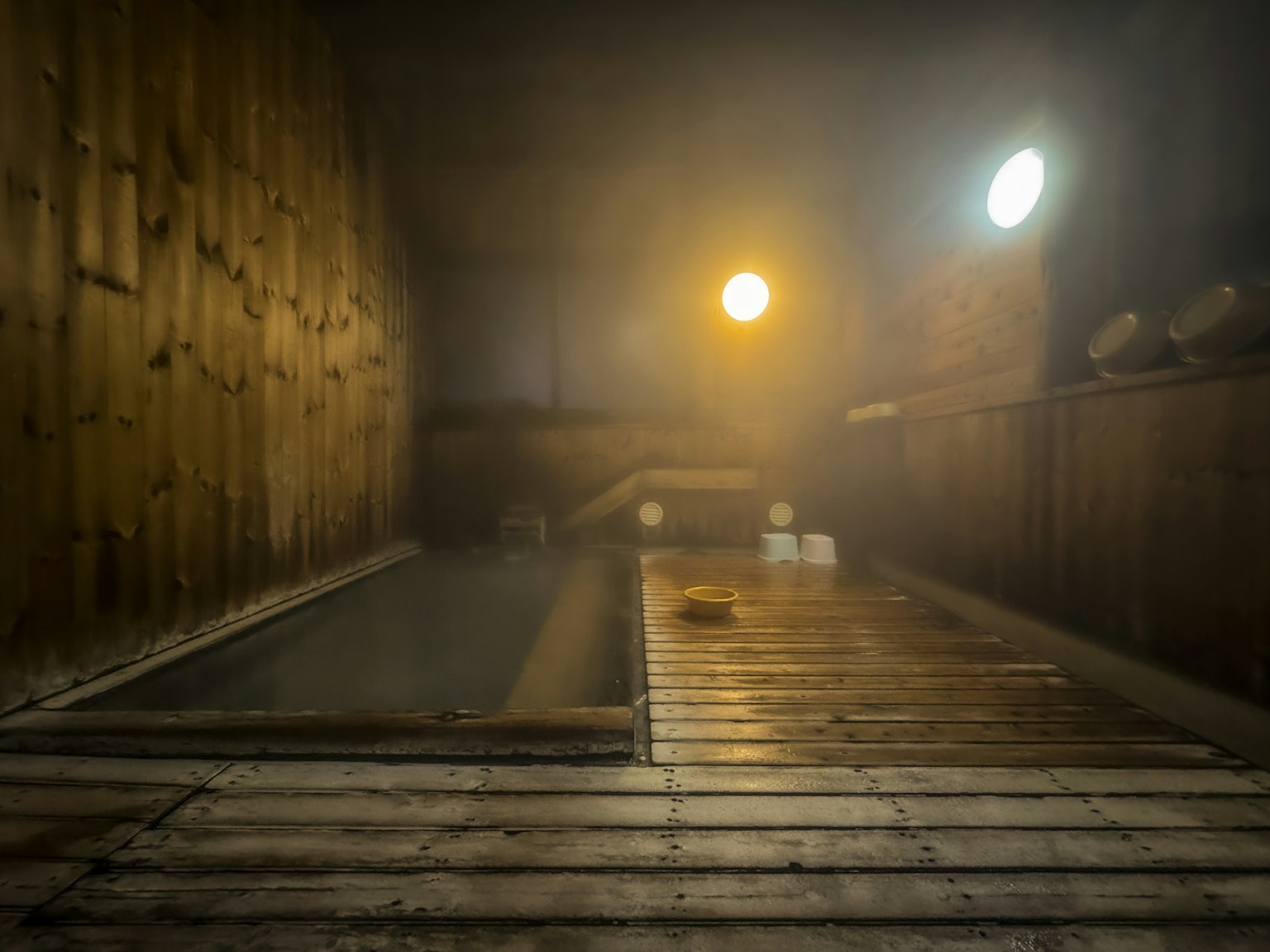
Beppu is Japan’s most productive onsen town. But many travelling parents hit the same wall on day one.
A public onsen with a toddler mid-meltdown, a nursing baby, or a visible tattoo is stressful for everyone in the bath. The unspoken rules feel sharp when you’re juggling a 3-year-old and a swim diaper.
Kashikiri onsen — a private, rentable bath for your family only — solves almost every one of those problems in a single booking.
This guide explains how kashikiri works, where to find it in Beppu, what it costs, tattoo rules, and exactly what to bring with kids — based on our family’s repeat stays across Kannawa, Myoban, and Kamegawa.
What Is Kashikiri Onsen? A Quick Primer for Families
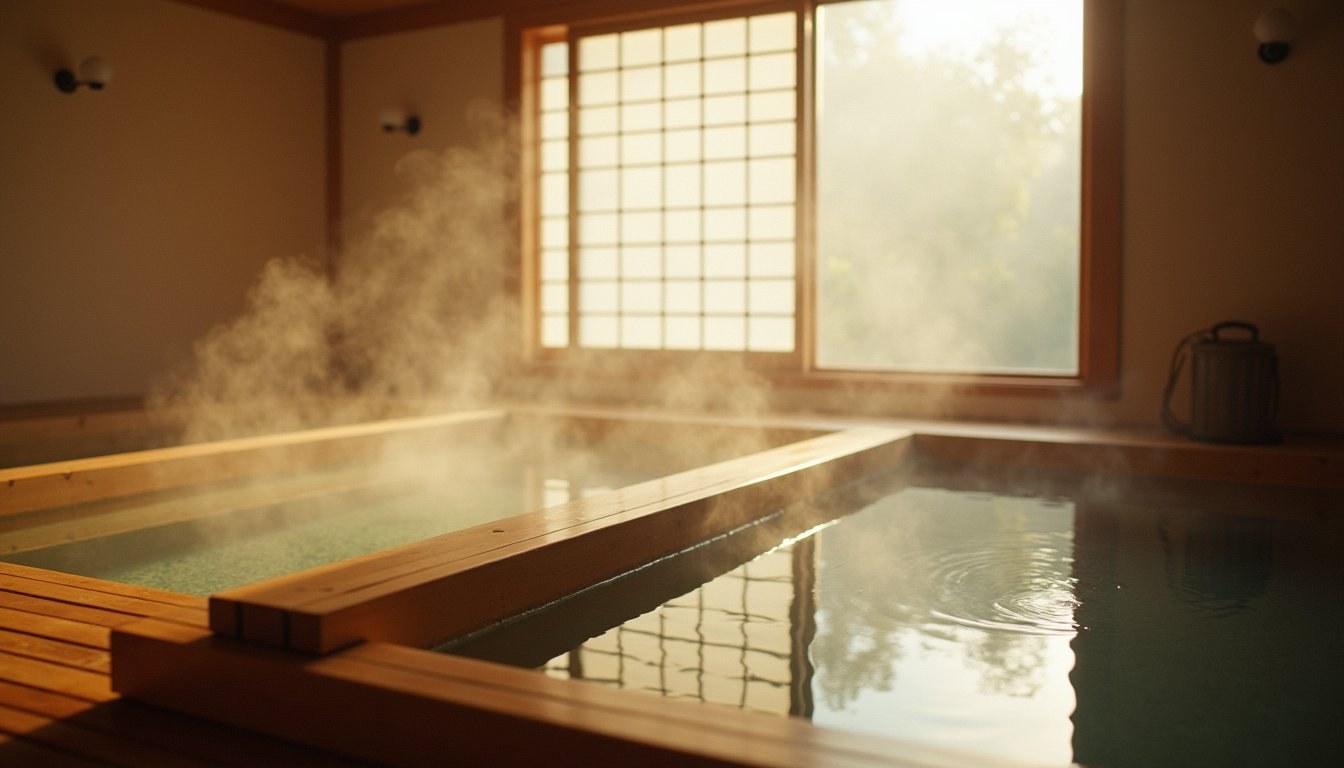
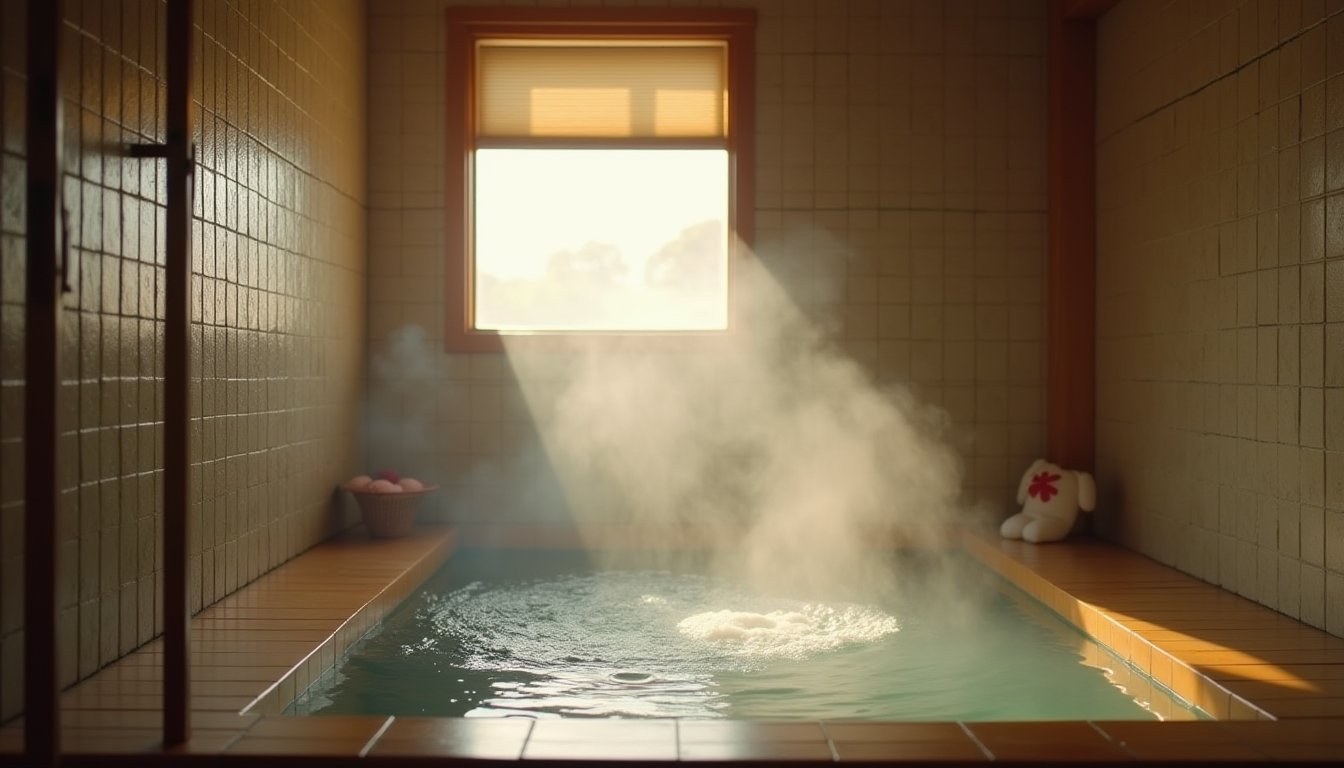
“Kashikiri” (貸切) literally means “rented out.” A kashikiri onsen is therefore a hot-spring bath reserved for a single group — usually for 45 to 60 minutes.
Unlike a public onsen, where men and women bathe separately and everyone shares the tub, a kashikiri room gives your family the entire bath to yourselves.
Most Beppu ryokans and several day-use onsen offer them, and a small but growing number now accept English-language bookings online.
The three practical advantages for families:
- Mixed-gender bathing. A dad can bathe with his daughter and a mum with her son — impossible in a public onsen after about age six, depending on the facility.
- Privacy for babies and nursing. No worrying about whether other bathers mind a crying baby or a feeding break.
- Tattoo-friendly by default. Almost every kashikiri bath allows tattoos because you are the only one using it.
If you are still weighing whether Beppu is the right base for a family trip, our honest take on Beppu with kids covers the pros and cons before you book.
Why Kashikiri Onsen Is a Family Game-Changer in Beppu
Public onsen in Beppu are wonderful, but they come with unwritten rules that do not mesh well with small kids.
Our three-year-old’s voice echoes off tiled walls like a foghorn. Babies are not allowed in most public baths until they are reliably out of diapers.
Nursing in a changing room works, but it is awkward. And if either parent has a tattoo — even a small one — many public onsen will quietly turn you away at the door.
Kashikiri onsen removes every one of those frictions. You pay a flat rate for the room, walk in as a family, and close the door.
No one hears the splashing, the singing, or the occasional refusal to get out of the bath. For families travelling from overseas, this is usually the difference between “we tried onsen once” and “we did onsen every night.”
It is also a lifesaver when the weather turns. Beppu gets its share of rainy days, and kashikiri is one of the best indoor options — see our rainy-day Beppu plan for families for how to string together a wet-weather itinerary with a kashikiri soak at the centre.
Best Kashikiri Onsen in Beppu for Families
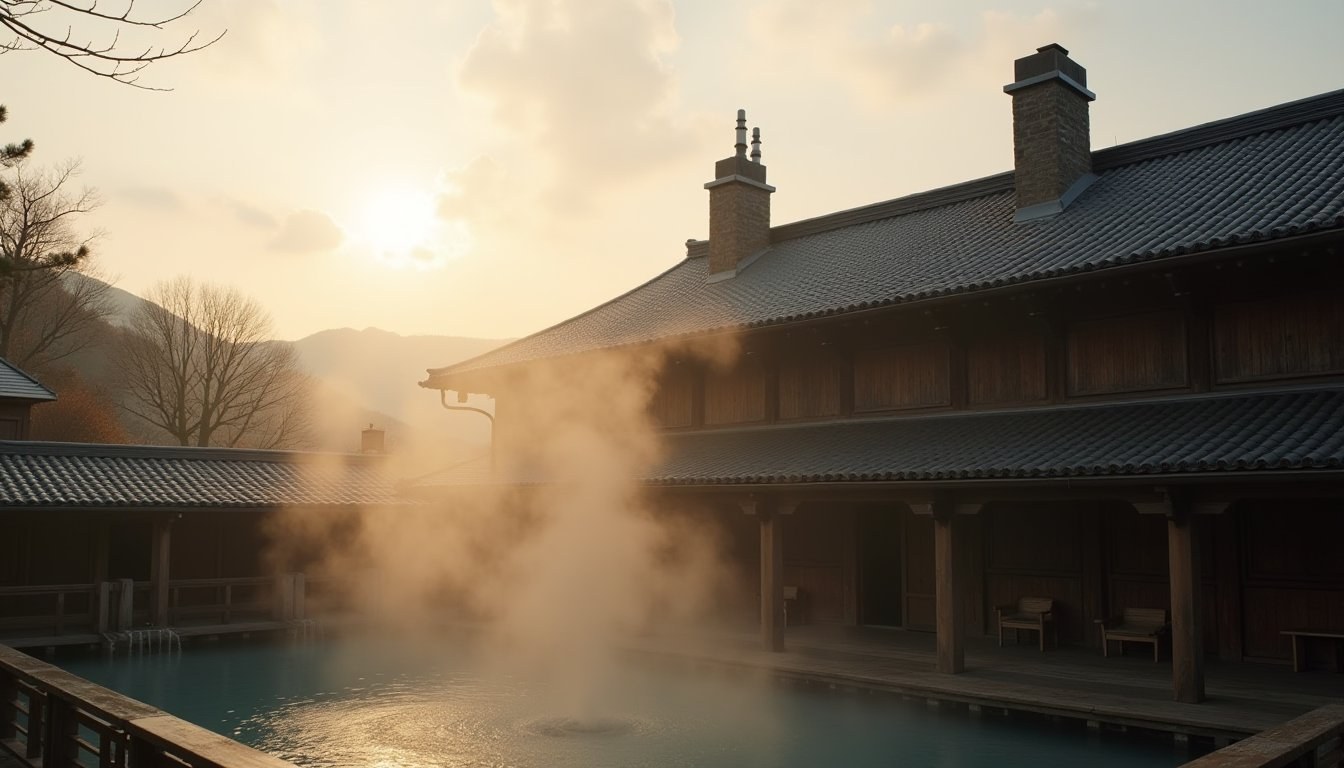
Beppu’s eight onsen districts each have their own water chemistry and atmosphere. Here are three family-tested kashikiri options to anchor your shortlist, with rough 2026 pricing and access notes.
1. Hyotan Onsen (Kannawa) — Day-Use Convenience
Hyotan Onsen is the only Michelin three-star onsen in Beppu and offers eight private kazoku-buro (family bath) rooms. The atmosphere is rustic-traditional with steam pouring from the rooftop chimneys.
- Price: ¥2,300–¥2,800 per room / hour (plus general admission per person)
- Access: 15 min by bus from JR Beppu Station to Kannawa
- Best for: Day-trippers, walk-ins on quieter weekdays
Pair Hyotan with a nearby ryokan stay so you can walk back in yukata after dinner — browse options on Agoda’s Kannawa hotel deals.
2. Myoban Yunosato (Myoban) — Milky Sulfur Waters
Up the mountain in Myoban, Yunosato runs the most photogenic open-air private baths in Beppu — milky-blue sulfur water under thatched huts. The drive up at sunset is worth the trip alone.
- Price: ¥2,000 per room (50 min)
- Access: 20 min by bus or taxi from JR Beppu Station
- Best for: Photogenic outdoor soaks, older kids who can handle a stronger sulfur smell
3. Shibaseki Onsen (Kamegawa) — Local-Favourite Value
Shibaseki is a city-run bathhouse with five simple kashikiri rooms, popular with Beppu locals. No frills, but the cheapest legitimate private bath in town.
- Price: ¥1,500 per room / hour
- Access: 10 min by car from JR Beppu Station
- Best for: Budget families, second or third soak of the day
Typical Prices for Kashikiri Onsen in Beppu
Pricing varies more than first-timers expect. Here is the 2026 range we have seen across districts:
- Budget (city-run / no-frills): ¥1,500–¥2,000 per room / 50 min
- Mid-range (ryokan day-use): ¥2,300–¥3,500 per room / hour
- Premium (high-end ryokan in-stay): ¥0–¥5,500 (often included for staying guests, surcharge for non-guests)
Most rooms charge per room, not per person, so a family of four pays the same as a couple. That is what makes kashikiri such good value for families — and for tattooed travellers who would otherwise pay nothing because they could not enter a public bath at all.
Planning multiple onsen in one trip? Bundle a Beppu kashikiri afternoon with hells tours and aquarium tickets via Klook’s Oita attraction passes for a smoother day-with-kids itinerary.
How to Reserve a Kashikiri Onsen in Beppu
Three reservation patterns work for foreign visitors. Pick whichever matches your trip style:
Option A: Book the Ryokan, Bath Included
Many Beppu ryokans include one free 45-minute kashikiri slot per stay. Check the hotel listing for “貸切風呂” or “private bath” in the amenities.
The easiest way to filter for this from overseas is Agoda’s Beppu ryokan search — set the filter to “private hot tub” and the matching inventory pops up.
Where to stay in Beppu AMANEK Beppu YULA-RECheck availability
 KannawaenCheck availability
 AMANE RESORT SEIKAI (SHIOSAI NO YADO SEIKAI)Check availabilityHotels via Agoda. We may earn a commission. Tap to see live prices & pick your dates.
Option B: Day-Use Walk-In
Day-use kashikiri at facilities like Hyotan or Shibaseki is first-come-first-served. Arrive before 10 a.m. on weekends or after 2 p.m. on weekdays for the shortest wait.
Bring cash (a ¥10,000 note is fine, smaller is better) — many older facilities still don’t take cards.
Option C: Reserve via Activity Platform
A handful of premium Beppu onsen now sell English-language kashikiri slots on activity sites. Browse current bookable options on Klook’s Oita listings — selection is small but growing each season.
What to Bring When Bathing with Kids
Kashikiri rooms vary in what’s stocked. Plan for the bare-bones case and you’ll never be caught short:
- Swim diapers for babies under 2 (Japanese supermarkets sell them — look for 水遊びパンツ)
- Small towel for each child (most facilities only provide adult-size towels)
- Hair ties for long-haired kids — hair in the tub is a no-no
- Snack and water bottle for the post-bath rebound
- Plastic bag for wet swim diapers
- Yukata or comfy clothes to change into afterwards
The water itself is hot — typically 40–43°C. Keep babies and toddlers under 5 minutes per dip, with cool-down breaks on the wooden deck.
Tattoo Rules and Etiquette in Kashikiri Baths
Tattoos are the single biggest reason foreign families end up in kashikiri rooms. Almost all kashikiri baths allow tattoos because you’re the only group using the water.
That said, two etiquette points matter:
- Walk through public areas covered. Even if the bath itself allows tattoos, lobbies and corridors are shared space. A rash guard or yukata over the shoulders avoids awkward stares.
- Confirm by phone if it’s a large piece. A few high-end ryokans technically permit kashikiri tattoos but ask for advance disclosure of full-sleeve or back pieces.
For a deeper look at tattoo-friendly onsen across Kyushu, our tattoo-friendly onsen guide lists vetted facilities by prefecture.
Kashikiri vs Public Onsen: Which Is Right for Your Family?
Both have their place. We typically book one kashikiri slot per Beppu trip and round out the rest with public onsen.
Pick kashikiri when:
- Kids are under 6 or anxious in new environments
- You’re nursing or have a baby in diapers
- Either parent has any visible tattoo
- It’s the first onsen of the trip and you want a low-pressure trial run
Pick public onsen when:
- Kids are over 6 and comfortable with the routine
- You want the full Beppu atmosphere — locals, multiple tubs, sauna
- Budget is tight (public baths run ¥200–¥700 per adult)
For the public-bath side of the equation, our guide to public onsen in Beppu with kids lays out the family-friendly municipal baths.
The same logic carries over to mealtimes — if you are extending the trip west, our private-room dining guide for the Fukuoka leg covers koshitsu and zashiki spots where kids can be themselves without earning side-eyes.
Kashikiri Onsen FAQ
Do I need to book a kashikiri onsen in advance?
For ryokan in-stay slots, yes — book when you reserve the room or call the day before. For day-use facilities, walk-in works most weekdays, but weekends and holidays often sell out by 11 a.m.
If you want a confirmed slot before you fly, book a ryokan with an included kashikiri via Agoda’s Beppu listings.
Can babies and toddlers really go in?
Yes, in kashikiri rooms specifically. There is no diaper rule because the water isn’t shared with other guests. Keep dips short (under 5 min) and step out frequently to avoid overheating.
How long do you get in a kashikiri slot?
Standard slots are 45 or 60 minutes. That includes changing time, so plan on roughly 30 minutes of actual bathing.
Is kashikiri worth the extra cost over a public onsen?
For families with babies, toddlers, or tattoos: almost always yes. For couples or families with school-age kids who are already comfortable with public bathing, a single kashikiri “treat night” plus public onsen the rest of the trip is the best value mix.
Do kashikiri baths have outdoor (rotenburo) options?
Many do. Myoban and Kannawa kashikiri rooms often feature small private rotenburo with steam vents and mountain views. Check the booking listing for 露天 or “open-air” before reserving.
More Beppu & Family Onsen Stories
- Is Beppu worth visiting with kids?
- Beppu rainy-day itinerary for families
- Public onsen in Beppu with kids
- Tattoo-friendly onsen across Kyushu
- Yufuin vs Beppu for families
 Oita & Beppu: Hot Springs & Fun
Not sure where to begin? This free guide helps you pick the right Kyushu trip for your family — from a Fukuoka family who actually lives here.
- ✅A simple “which trip suits us?” chooser — by days, ages & interests
- ✅Snapshots of all 7 prefectures — what’s actually worth it with kids
- ✅Instant PDF download — name your price (free), no spam
Onsen, rail, or a full itinerary? It points you to the right deep-dive guide.
Onsen with kids is a maze of rules. This done-for-you playbook removes the guesswork — written by a Fukuoka family who soaks here year-round.
- ✓Family-bath & private (kashikiri) ryokan — baby-OK, tattoo-friendly, named picks
- ✓Babies & toddlers — water-temp tactics, cribs/baby-bath rentals, what to pack
- ✓Etiquette, made simple — exactly what to do so nobody stares
Instant PDF · written by locals · skip hours of forum-digging